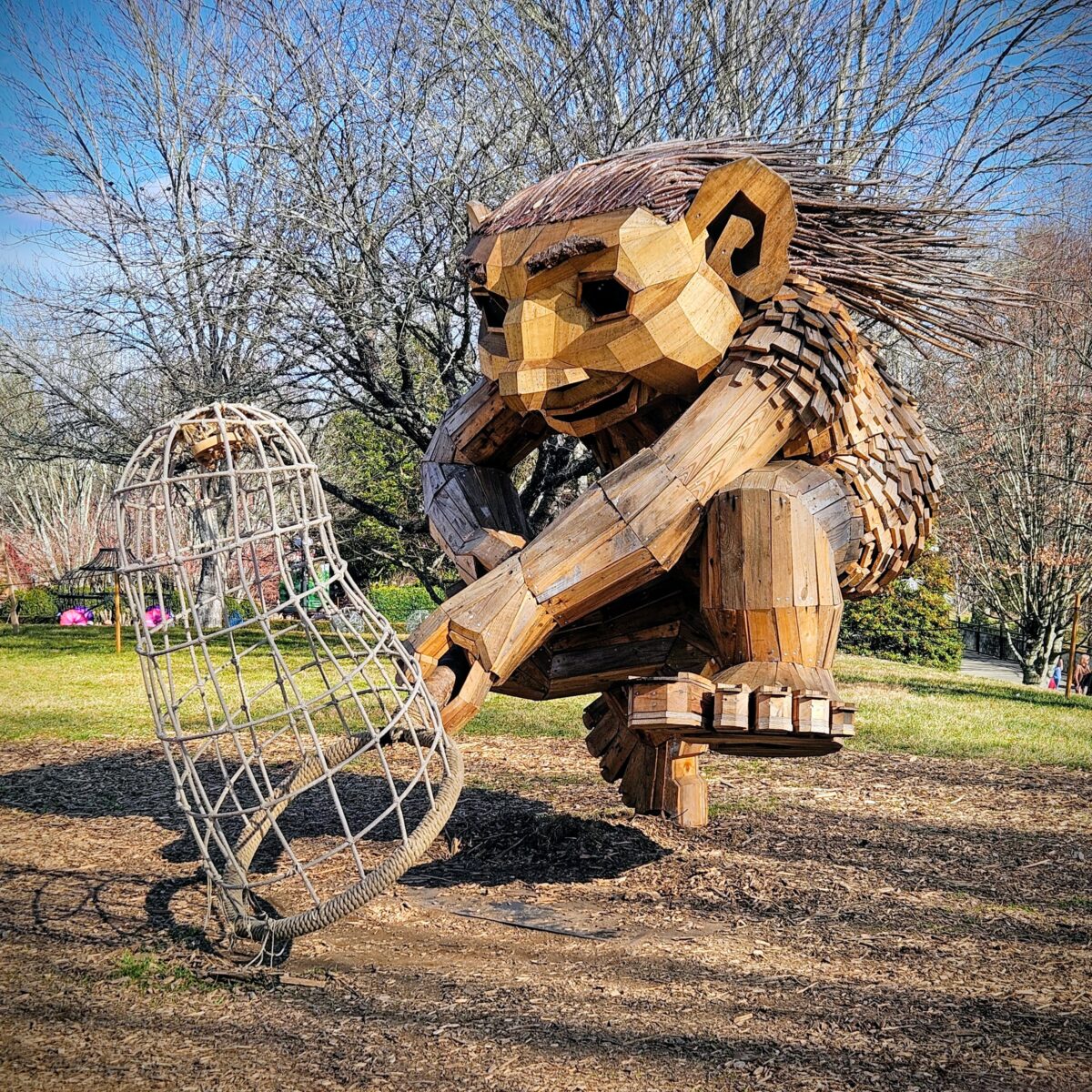
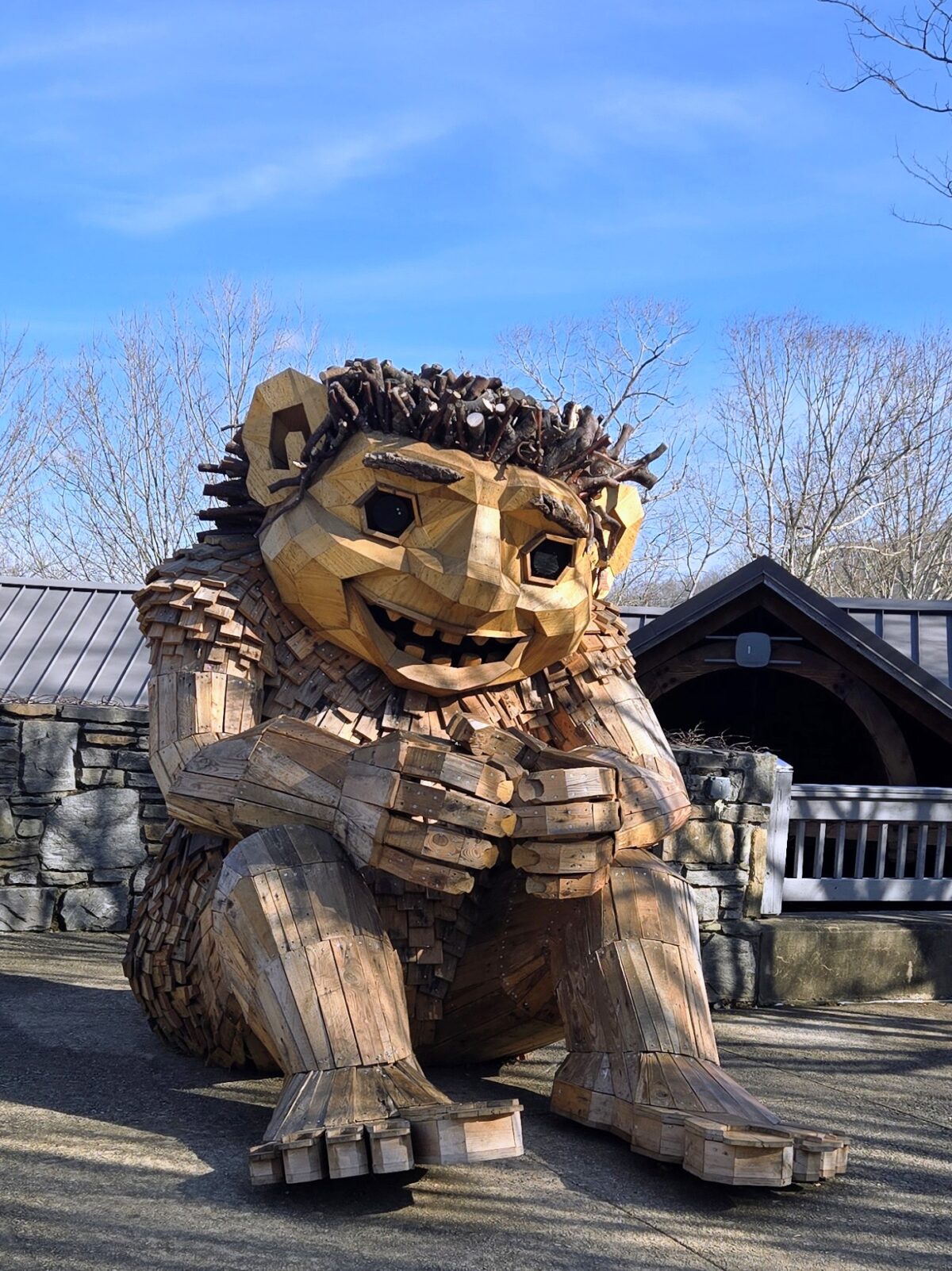
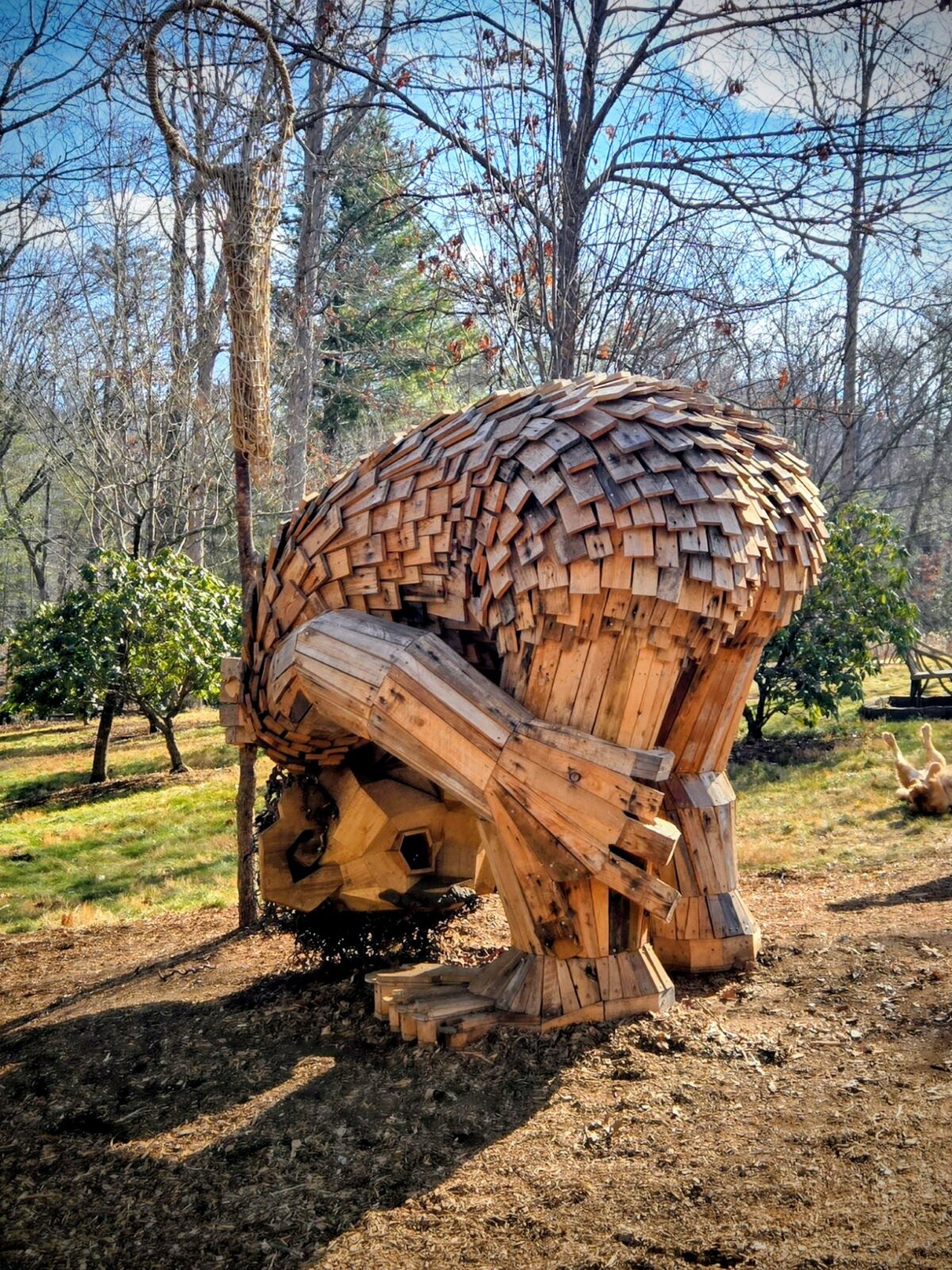
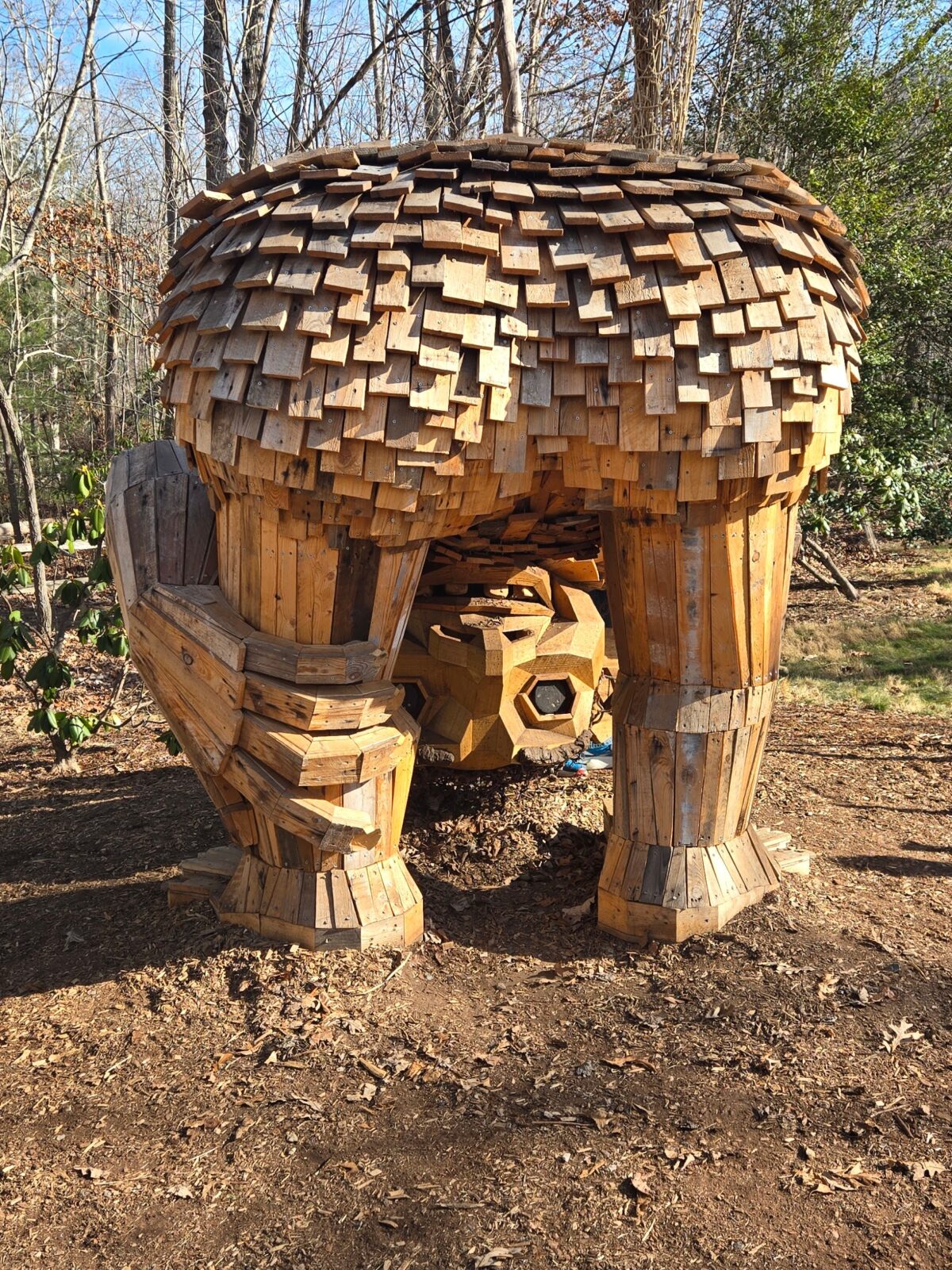
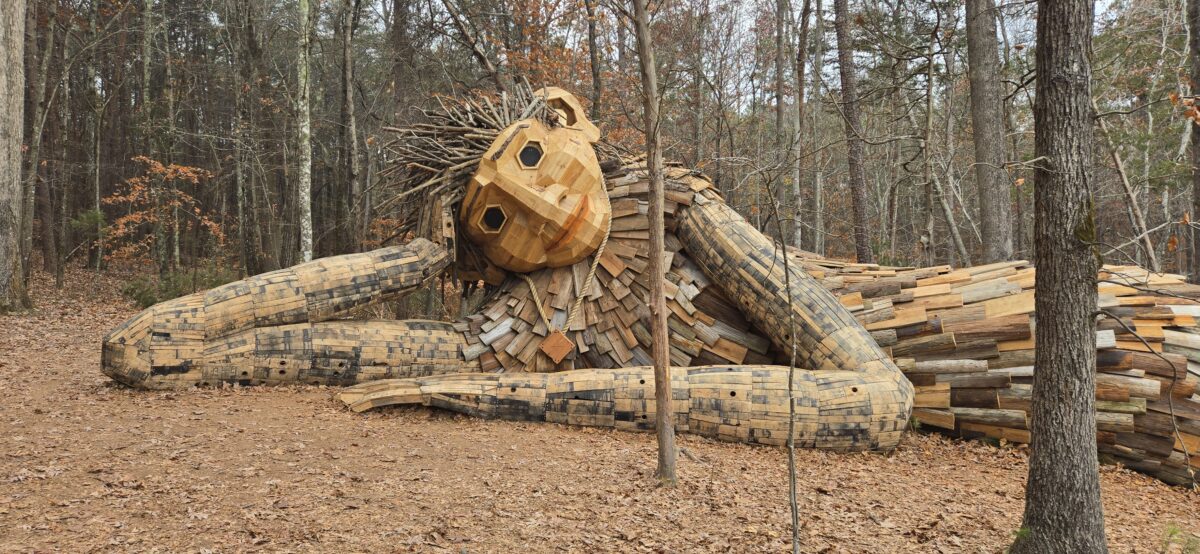
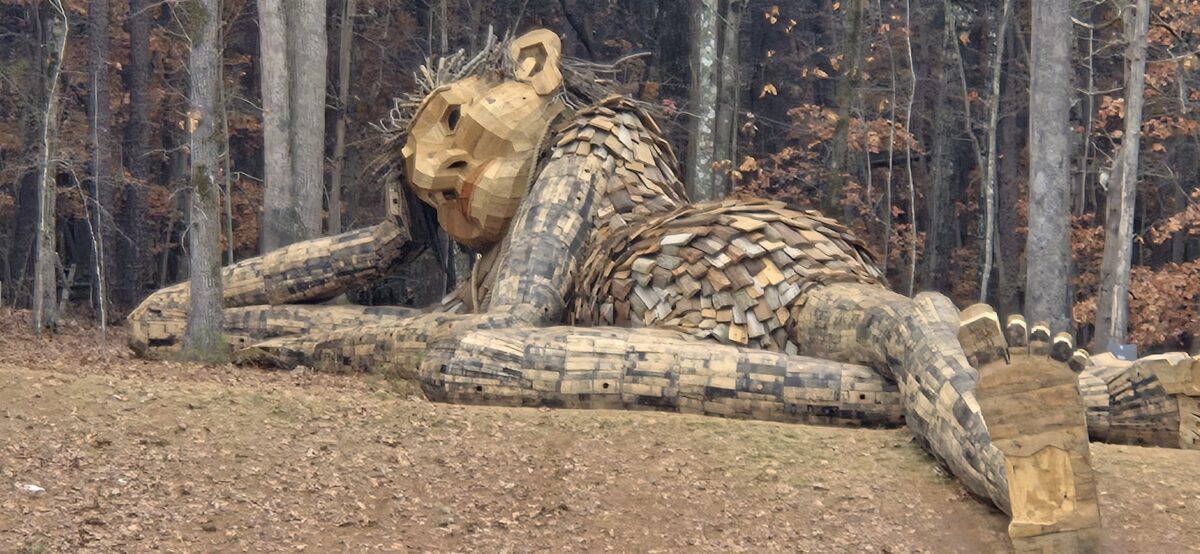
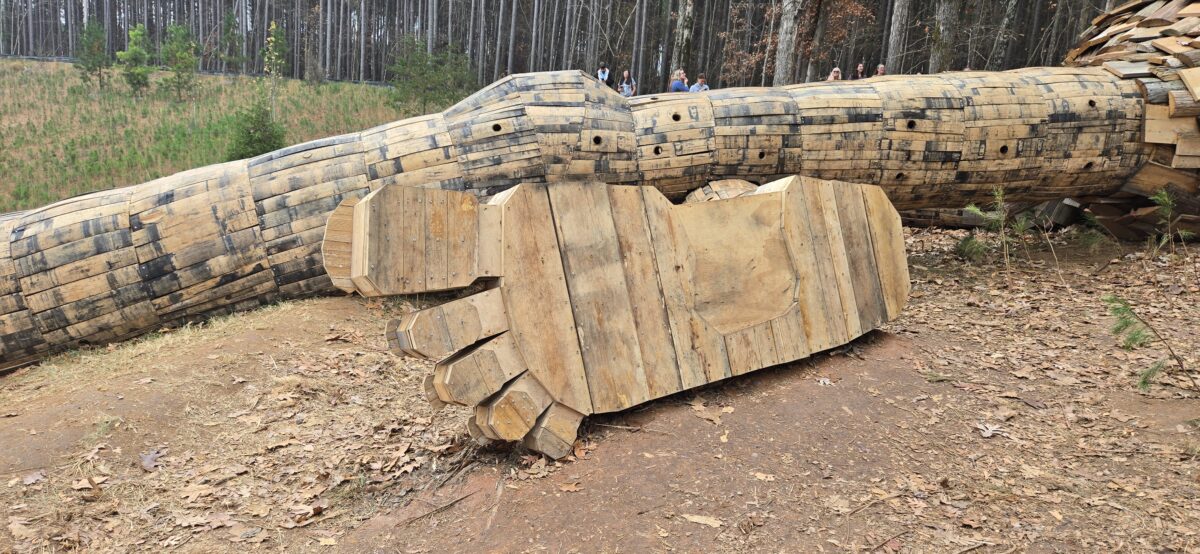
Lilnut says, “The human nest is small, but I could stay in there forever!”
Lilnut caught a lot of different humans in his field study, but one stands out. That human invited him into her cave. There, she had a thing called a “COUCH” so big that even Lilnut could lay in it! She explained to him that the reason it’s so big is that you can lie down in any direction you want, literally do anything in it, and not have to get up all day.
Lilnut really understands the humans regarding the couch. It’s amazing!
Boge says, “At first the little human was laughing. I tried to shake it a bit and now I can’t make it laugh again … It’s maybe sleeping … i don’t know … “
The humans seem so powerful sometimes, like when they work together to break up the earth and build their big grey wonders on it, tall as mountains but smooth and shining. But humans are also a bit fragile. You can’t squeeze or shake them too hard-not if you want to talk to them a second time.
Yes, Kirse went on the field study, but at some point she stopped listening-probably before they finished explaining that they were going on a field study. But that’s okay for Kirse. She spent the day exploring her senses, accidentally doing a little study of the humans in the process!
Kirse noticed that when she did something fun, like standing on her hands, the littlest humans would try to mimic it. And if a human did something that screamed of greatness-like standing on one foot while putting fingers in their ears !- lots of other humans would do the same thing. Walking, talking mirrors!
Poppy says, “I went beep beep beeeeeep beep beep beep beeeeeepee on the bananas!”Poppy says, “I went beep beep beeeeeep beep beep beep beeeeeepee on the bananas!”
Poppy learned a lot about the little humans’ big, shining, colorful foodcaves. They like to wrap everything in colorful materials they call “packaging.” On the packaging, there’s usually a very beautiful painting of the thing inside. It’s like saying the same thing twice. It’s like saying the same thing twice.
But! The smart thing about the packaging is that it’s often square. The little humans like to stack things, which makes it easy. When they’ve collected a stack of things they want, they go to the front of the food cave to do the beep on everything. Poppy isn’t sure why, but they really like to beep on stuff. She can’t wait to try it!
Hasse says, “I found out that the little beast chewing up the grass is really afraid of stones, so … that gave me an idea!”
The little humans often keep a little grass desert around their caves. If anything else grows there, or the grass starts to get tall and wispy, they send out a little metallic beast to chew it all down. Hasse has been trying for hours and hours to understand why. He even tried some very serious upside-down thinking, but it still made no sense.
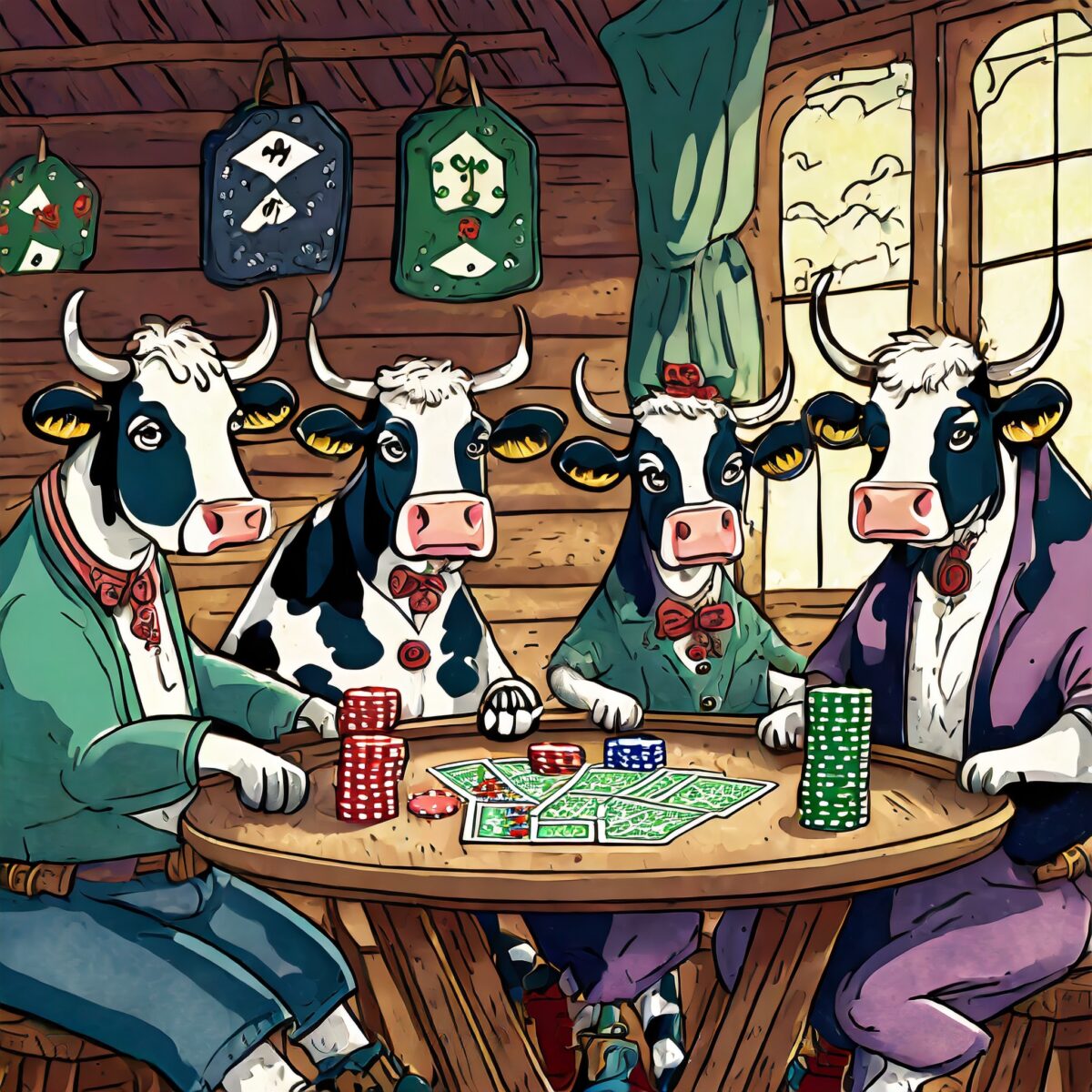
Birch says, “I heard that the humans sometimes tip over sleeping cows so i thought of trying to tip over a sleeping human but then i found out that humans roll around a lot when they sleep so maybe they tip the cows to help them sleep better?”
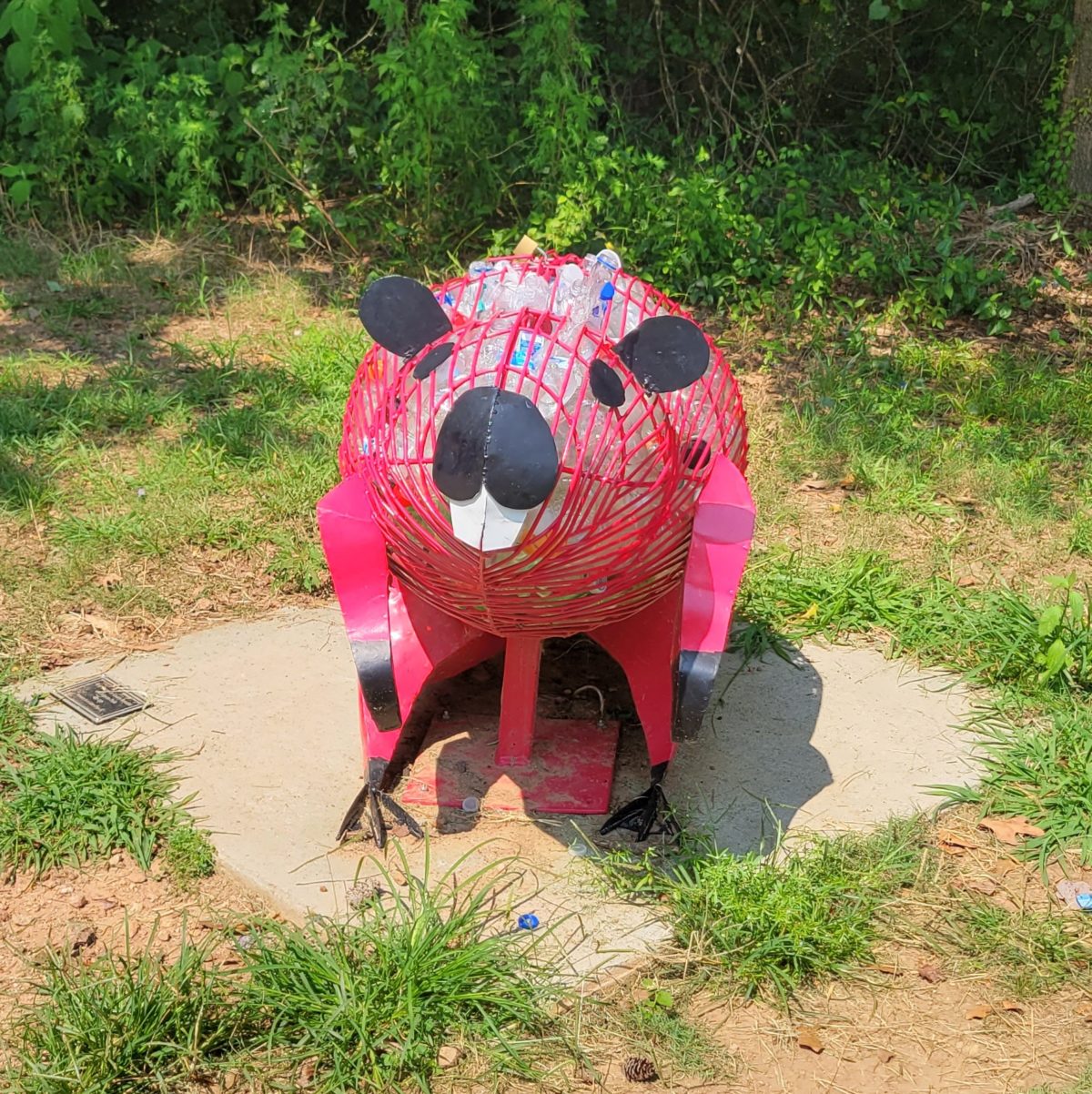
When Larke visited the little humans, she saw a lot of people standing in a long line waiting to get food. Next to the line there was a so-called “trashcan,” which other little people kept walking up to and dropping food into. So Larke didn’t understand why the people in the line just didn’t take some food from the trashcan. It seems like a waste, no?
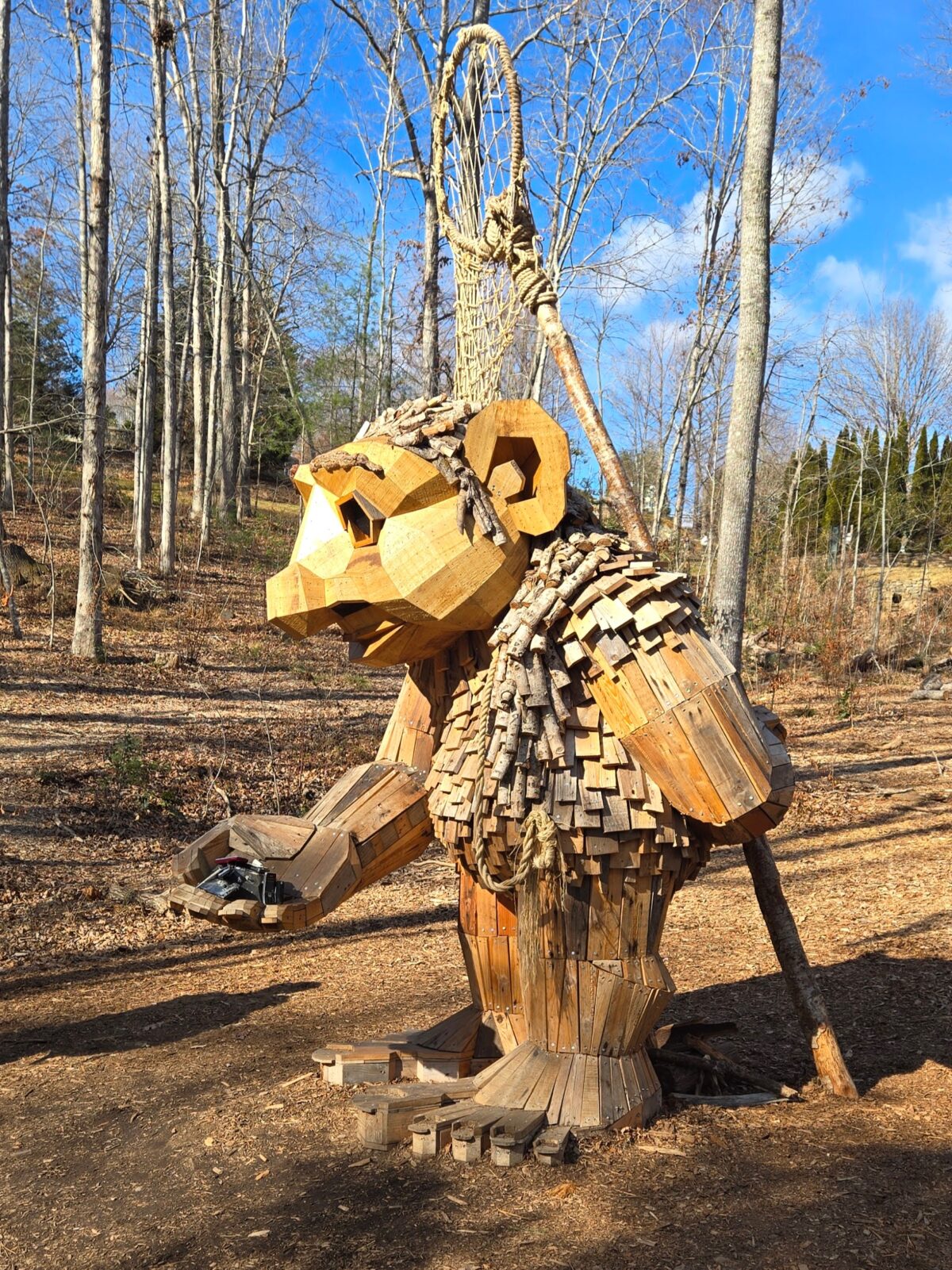
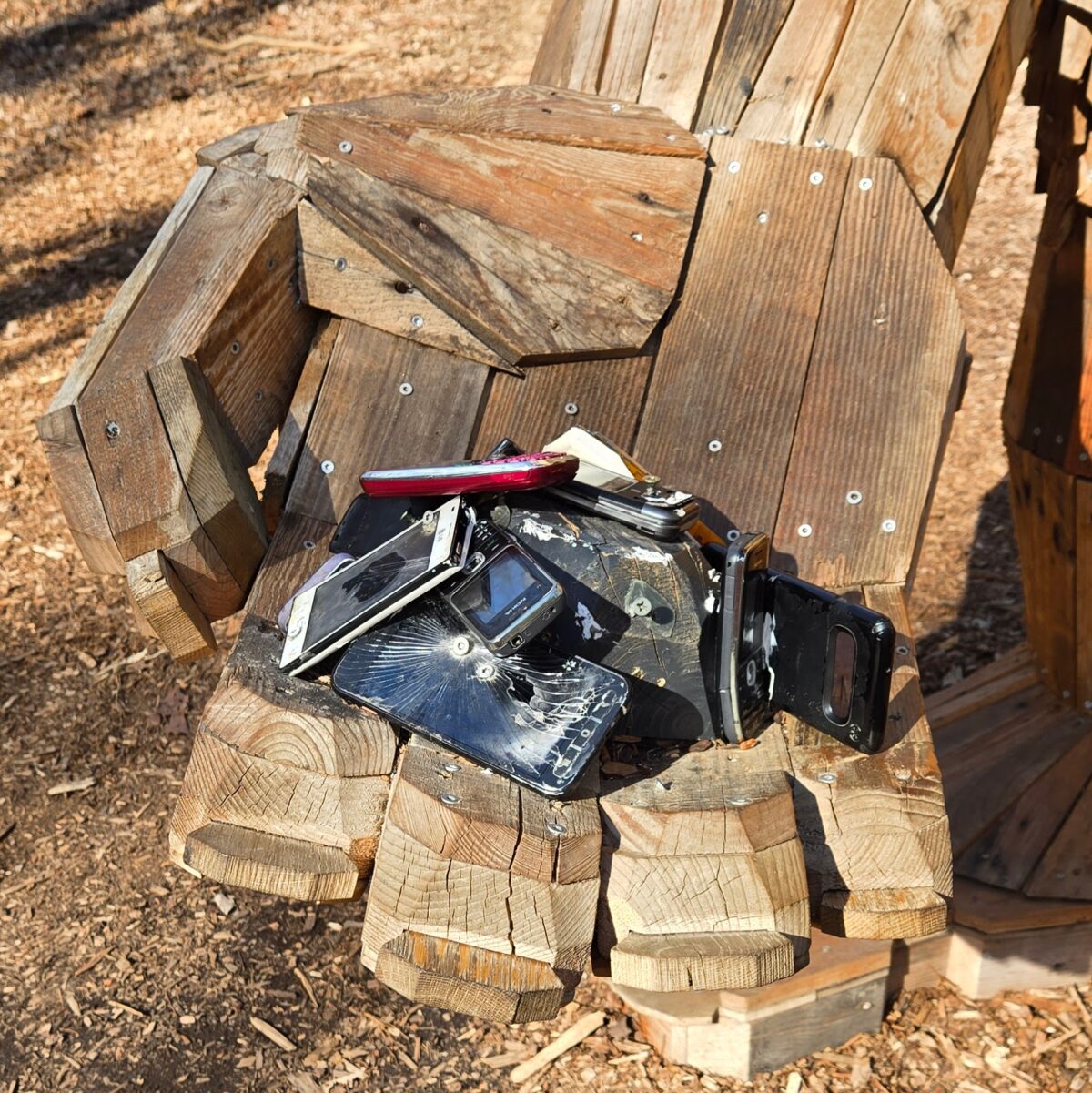
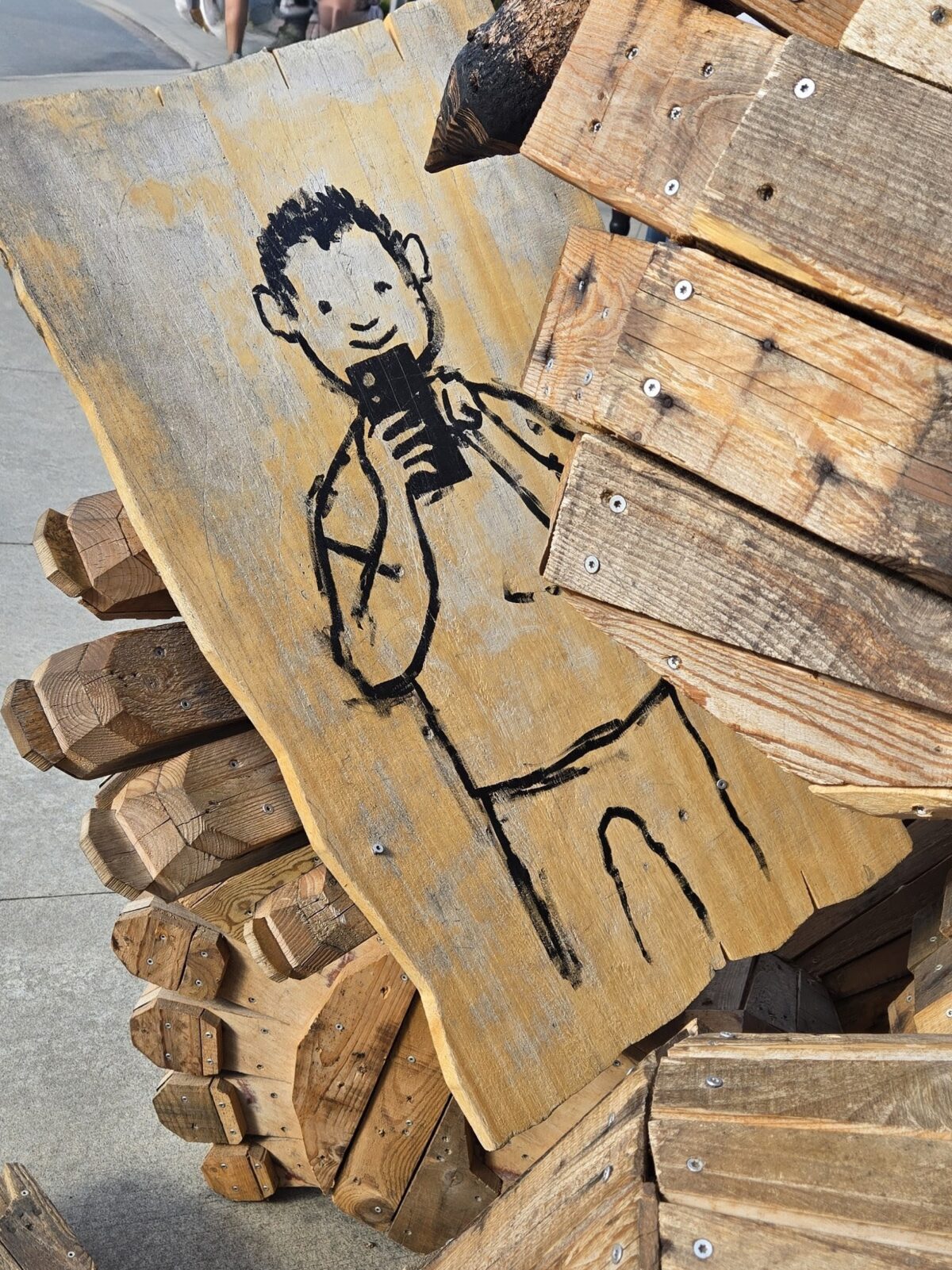
Wilde says, “I tried one of the magic pocket stars, and it’s like way funnier than looking at the sun, so I kinda also want one for when we go back to the forest!”
Wilde is most fascinated by the little humans’ absolutely all-encompassing habit of looking down into their magic pocket stars. The old trolls say that this is a new thing, that the humans used to look straight ahead, at the world they lived in. Now, they also live in the pocket star world.
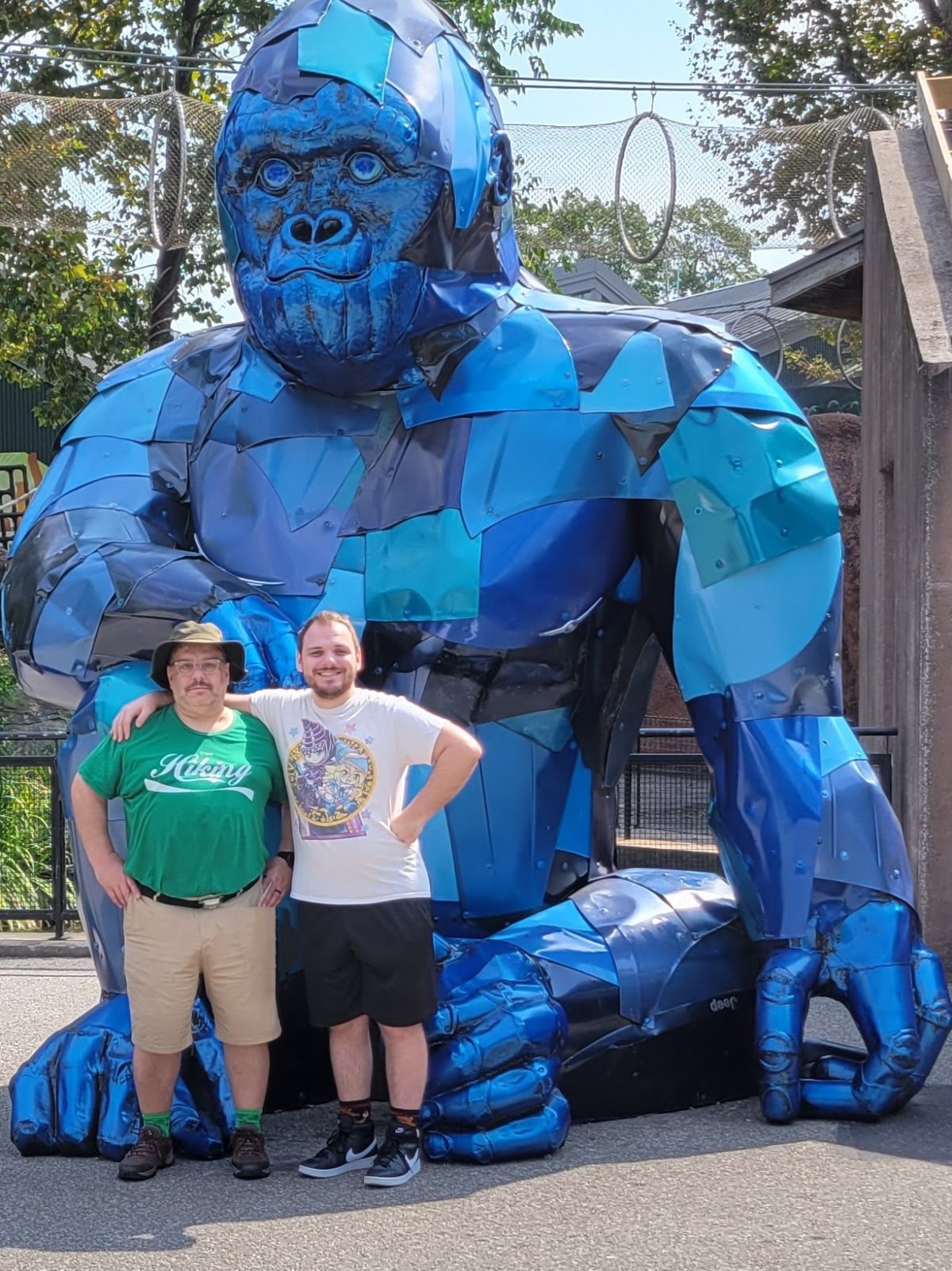
This blue gorilla sits 13-feet tall and 12-feet deep! It’s constructed from around 55 salvaged car hoods. These car parts retain their original factory paint.
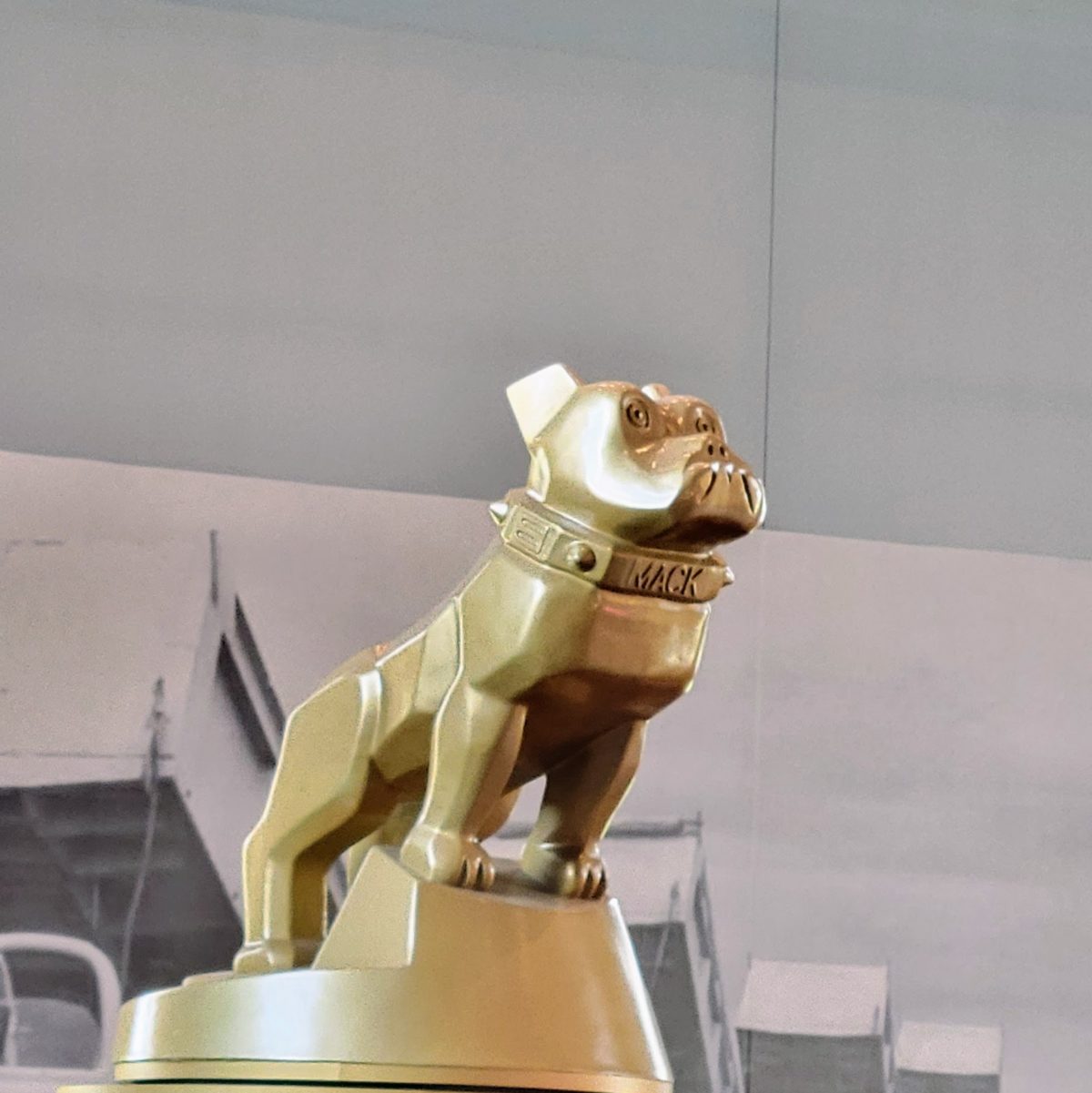
Mack trucks have a bulldog hood ornament because of their reputation for being tough, durable, and reliable. The bulldog is a symbol of strength, tenacity, and determination, all qualities that Mack trucks are known for.
A gold bulldog hood ornament signifies that the Mack truck it adorns is 100% Mack, meaning that it has a Mack engine, transmission, and axles. A chrome bulldog hood ornament indicates that the truck may have some non-Mack components.
The association between Mack trucks and bulldogs dates back to World War I, when British soldiers nicknamed the Mack AC models used in the Allied effort “Bulldog Macks” because of their tenacity. The Bulldog moniker stuck from that point on, and in 1932, Mack Trucks officially adopted the bulldog as its mascot.
The first Mack bulldog hood ornament was designed by Alfred Fellows Masury, a chief engineer at Mack Trucks. Masury hand-carved the first model of the bulldog out of a bar of soap while he was in the hospital recovering from surgery. The bulldog hood ornament was an immediate success, and it has been a signature feature of Mack trucks ever since.
In addition to being a symbol of Mack’s reputation for toughness and reliability, the bulldog hood ornament also serves a practical purpose. On older Mack trucks, the bulldog could be used as a handle to tilt the hood open. Today, the bulldog hood ornament is mostly decorative, but it remains a beloved symbol of the Mack brand.
The Mack bulldog hood ornament is one of the most iconic symbols in the trucking industry. It is a reminder of Mack’s long history of innovation and its commitment to building trucks that are tough, reliable, and durable.
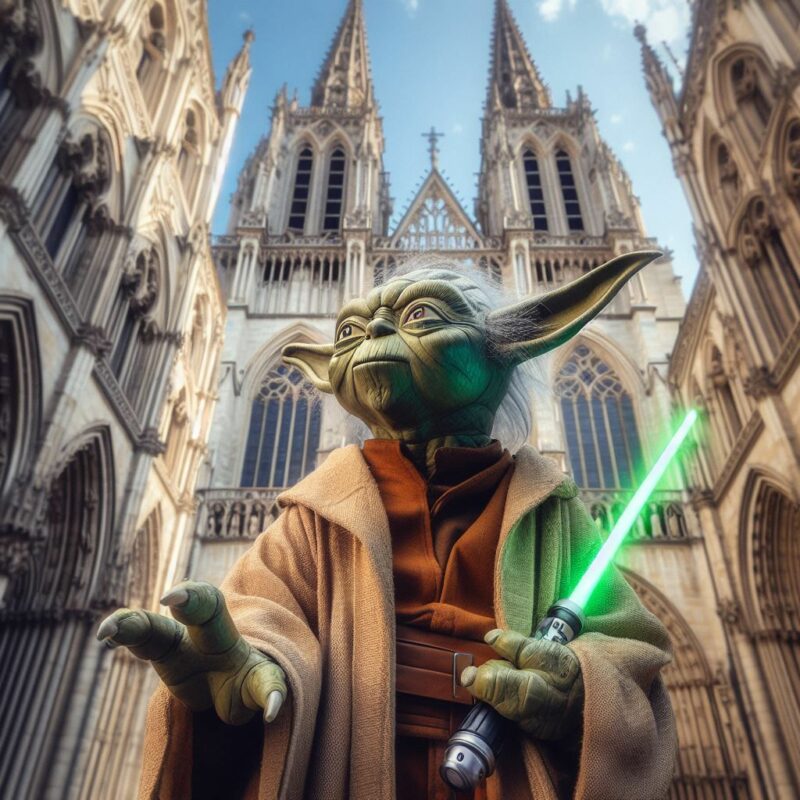
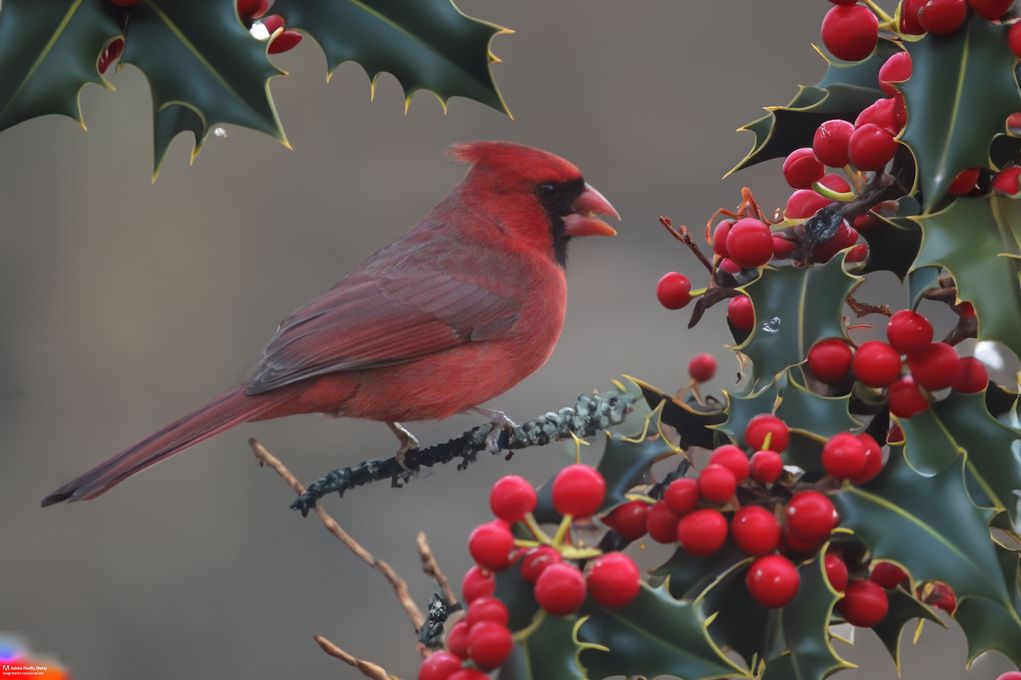
Generative AI is a hot topic right now. You can use it to swap out the background of a photo to make it more interesting, as I did here. 👆
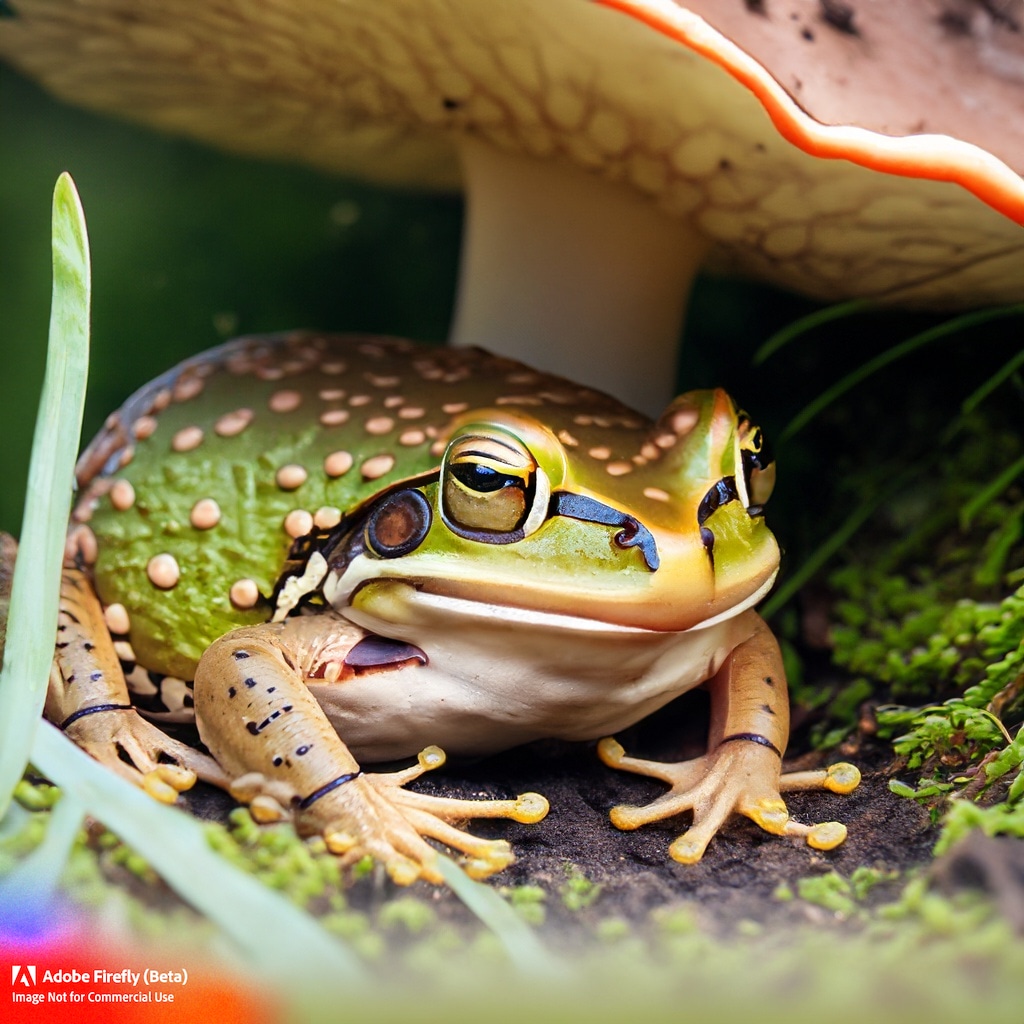
You can also use tools like Adobe Firefly to create whimsical photos like this “Frog hiding under a toadstool.” 👇
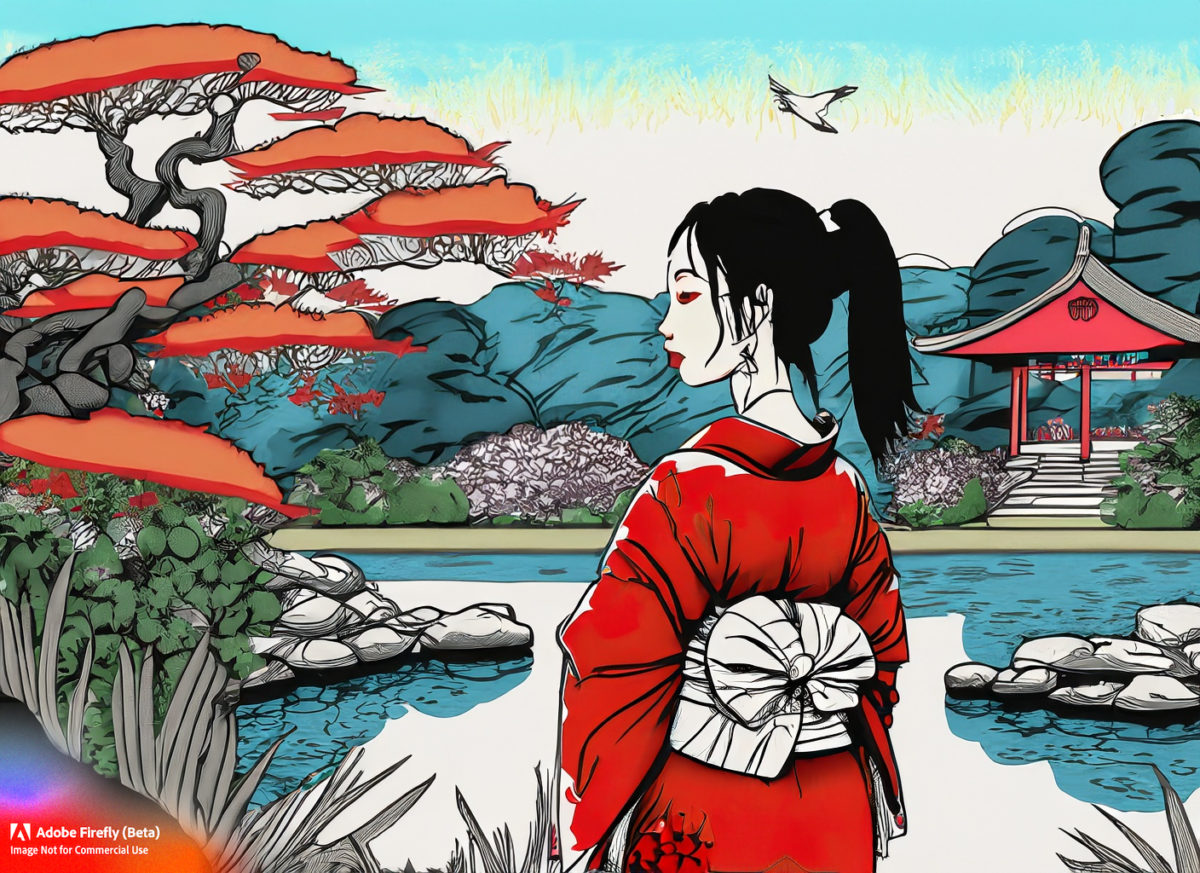
You can also “paint” pictures like this Japanese garden. 👇
The question people are asking is, “Is it art?” 🎨 For now, I think people can tell the difference between AI and real photography. But as the models get better, it will become harder to distinguish.