Golden Girl
My favorite little golden girl stopped by for some seeds! She’s a ray of sunshine on a cloudy day. 🌤️ 💛


My favorite little golden girl stopped by for some seeds! She’s a ray of sunshine on a cloudy day. 🌤️ 💛
Did you know that nearly 75% of the world’s leading food crops depend at least partly on pollinators? From the coffee we drink to the fruits, nuts, and vegetables we love, bees and other pollinators play a massive role in keeping our global food systems diverse, nutritious, and secure.

This year, the Food and Agriculture Organization (FAO) is celebrating under the theme: “Bee Together for People and the Planet – A partnership that sustains us all.” It’s a reminder of the thousands of years of connection between humans and bees, and a call to action. Right now, pollinators face heavy pressure from habitat loss, climate change, and intensive agricultural practices.
How can we help? 🌼 Plant a diverse mix of native flowers in your garden to provide food for wild bees. 🚫 Reduce or avoid the use of pesticides. 🌱 Support local beekeepers by buying local honey and products. 🗣️ Spread the word about why protecting these amazing creatures matters!
Let’s protect our hard-working pollinators to ensure a healthier, more biodiverse planet. 🌍✨
Learn more about how to get involved.
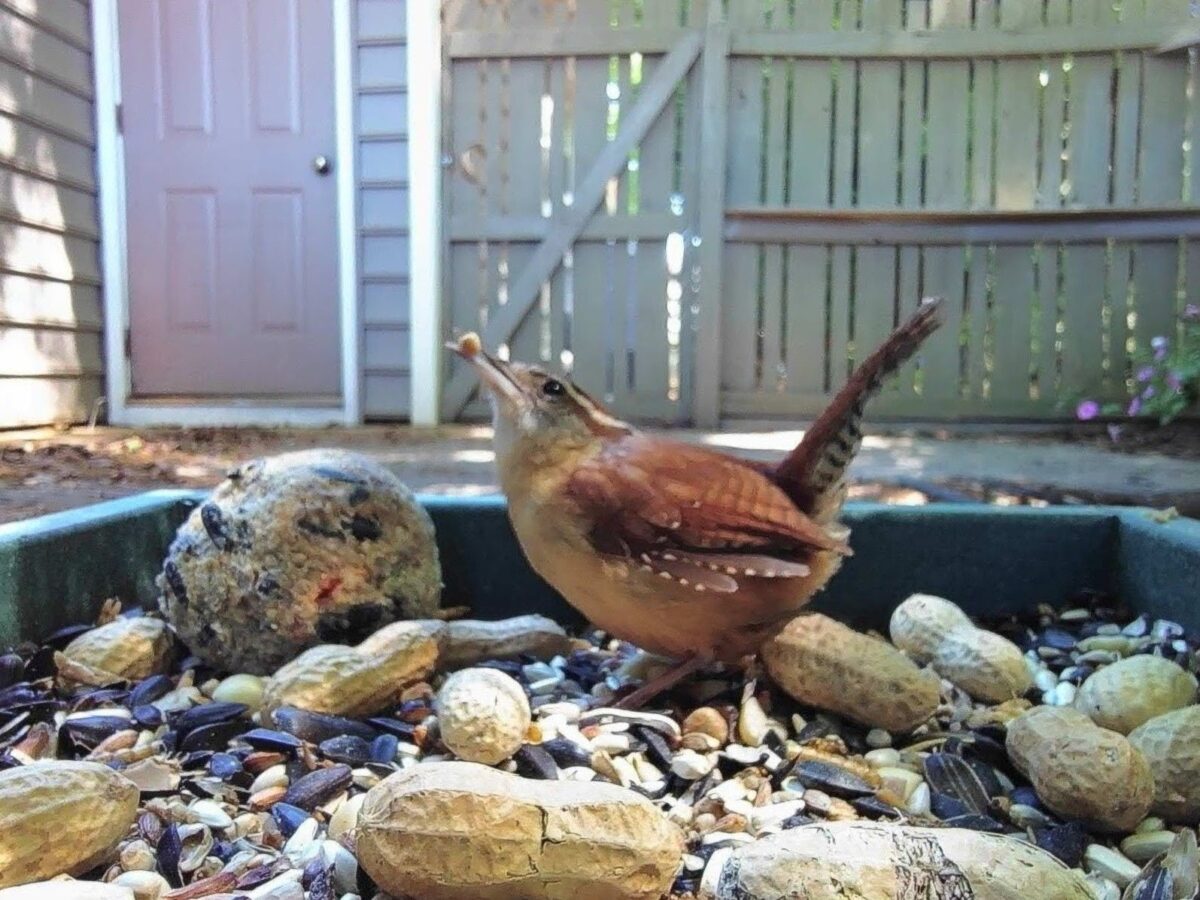
Just look at the incredible detail on this Carolina Wren’s feathers! Nature’s artistry is truly amazing, from the delicate patterns to the subtle color variations. Such a charming visitor!

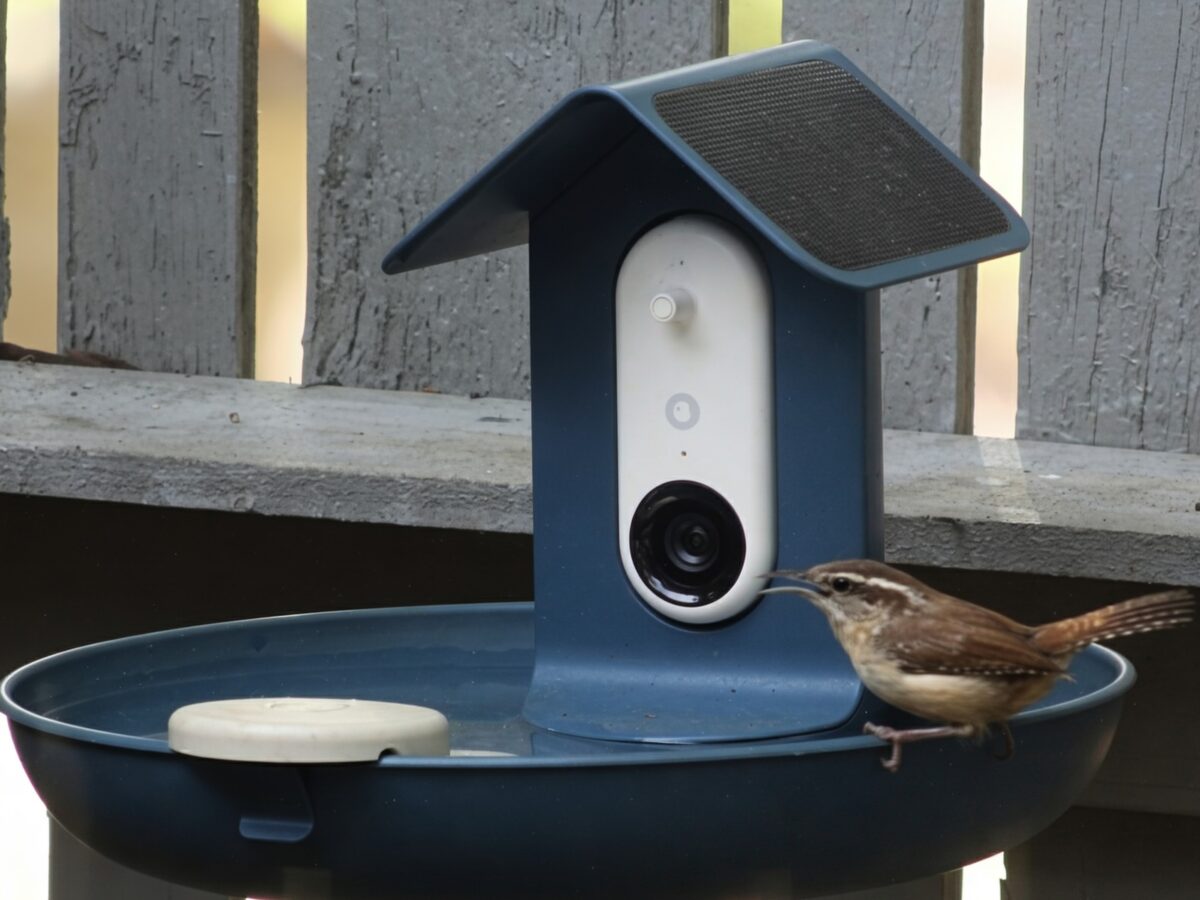
This Carolina Wren is investigating the bird bath. He’s drinking the water, but doesn’t look like he wants to dive in.

There is a certain kind of joy that comes from a low-profile tray feeder. While the hanging tubes and suet cages attract their fair share of attention, the tray is where the real character studies happen. Lately, the stars of the show have been a family of spirited Carolina Wrens.
If you’ve ever heard a tea-kettle, tea-kettle, tea-kettle song ringing through the neighborhood, you’ve met the Carolina Wren. These birds are famous for having a voice that seems far too large for their round, reddish-brown bodies. In the photo, you can see their signature features: that bold white eyebrow stripe (supercilium) and the cocked-up tail that signals they are ready for action at a moment’s notice.

“They don’t just visit the feeder; they investigate it. Every seed is a puzzle, and every corner is a potential nesting spot.”
While many wrens prefer foraging on the ground for insects, Carolina Wrens are frequent guests at backyard stations, especially when hulled sunflower seeds, mealworms, or suet nuggets are on the menu. Watching them on the tray feeder is a lesson in curiosity. They don’t just grab a seed and fly away; they often hop around, tilt their heads, and flick through the mix with a charming, frantic energy.

Having a family visit regularly is a treat. They are year-round residents in many areas, meaning they provide a much-needed splash of warm color and vocal enthusiasm even during the quietest winter months. They are also famously bold—don’t be surprised if they build a nest in your hanging basket, a discarded boot, or right on the porch if you leave a door open for too long!

Look at this little guy enjoying a snack! So happy to see this vibrant Northern Cardinal visiting the feeder. What a flash of color!
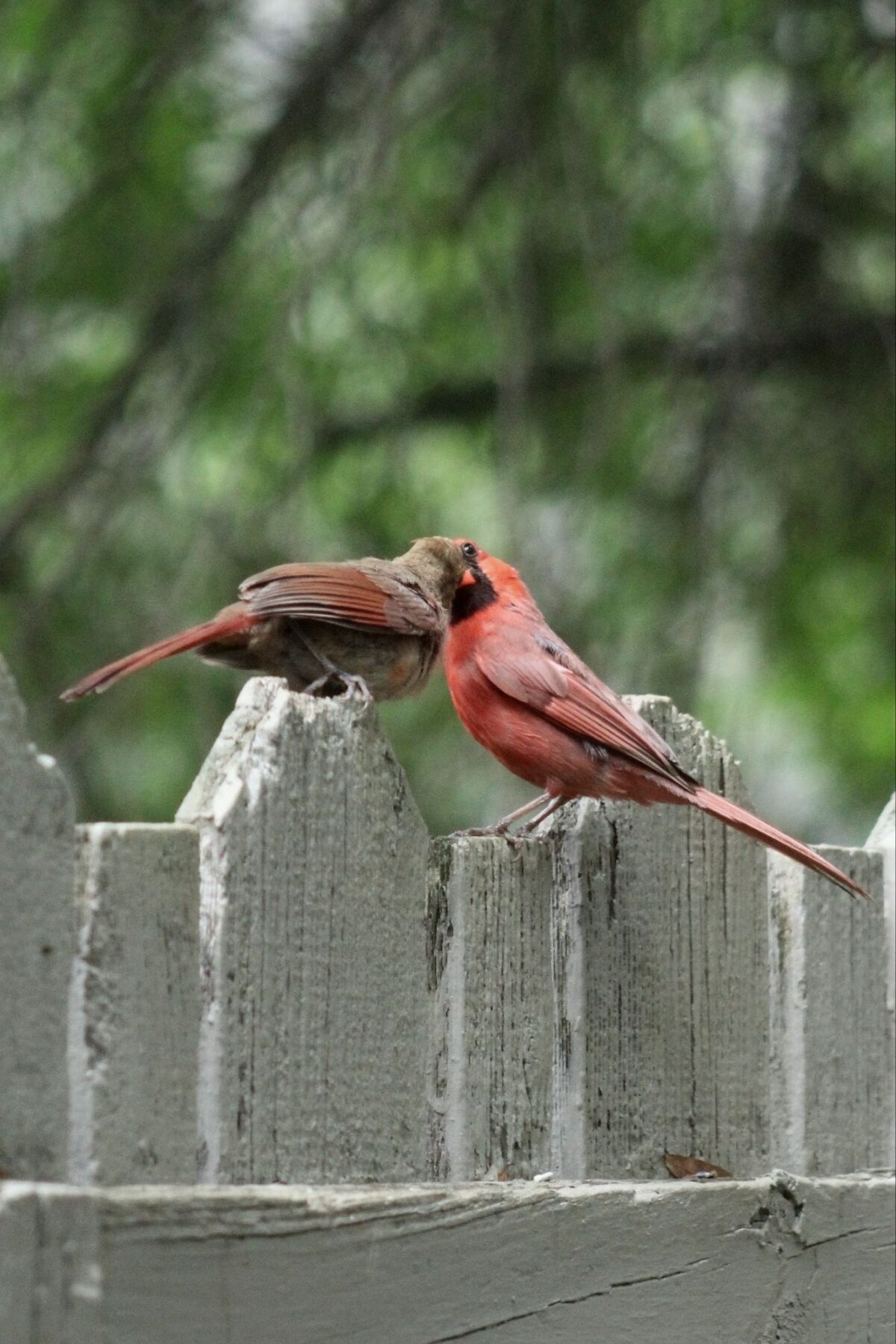
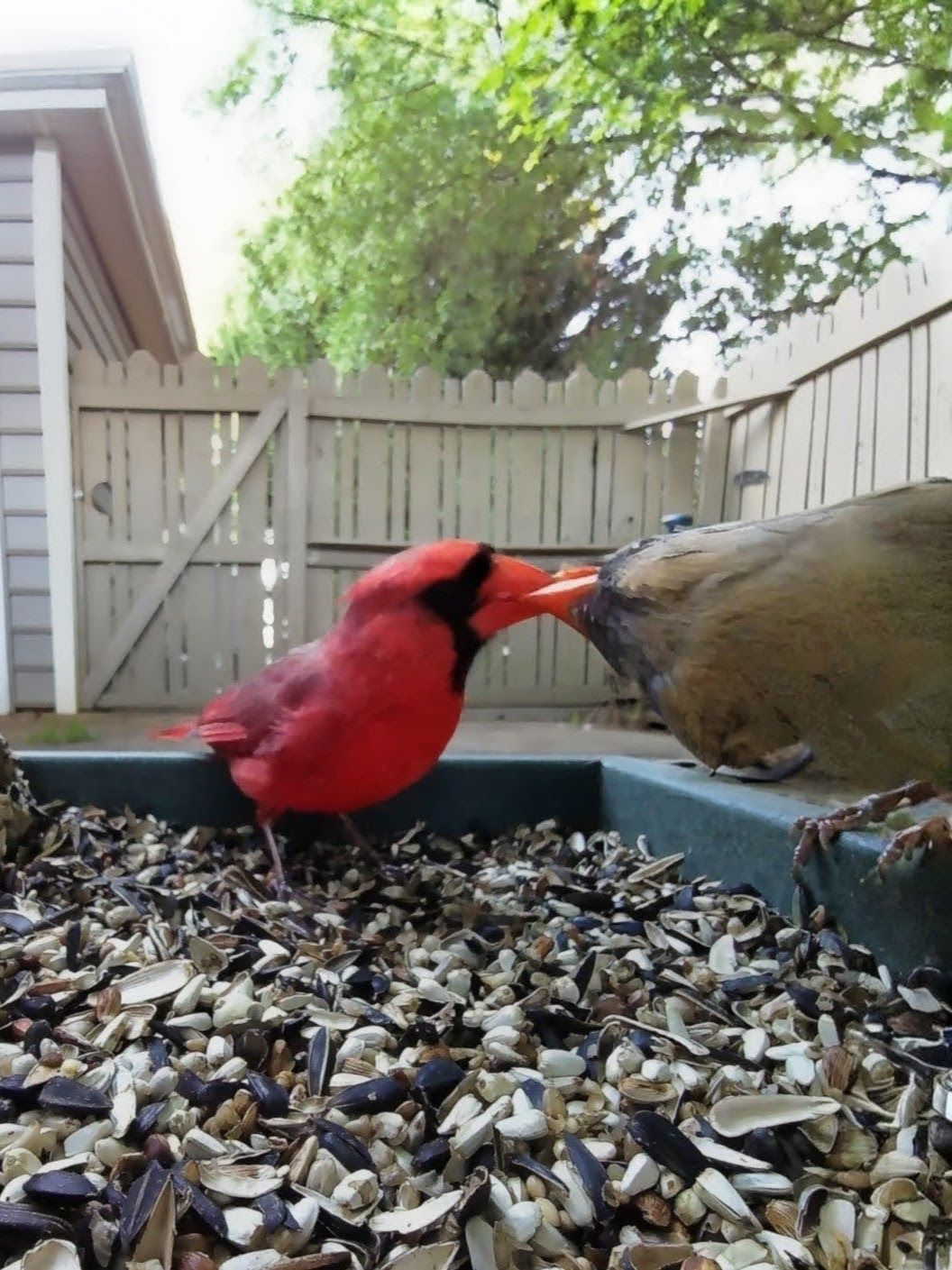
A perfect capture of some Cardinal courtship feeding on the fence! My wife, the resident “old school” film expert, stepped behind the digital lens to grab this. It’s great having a shared hobby—even if her shots are giving mine a run for their money!
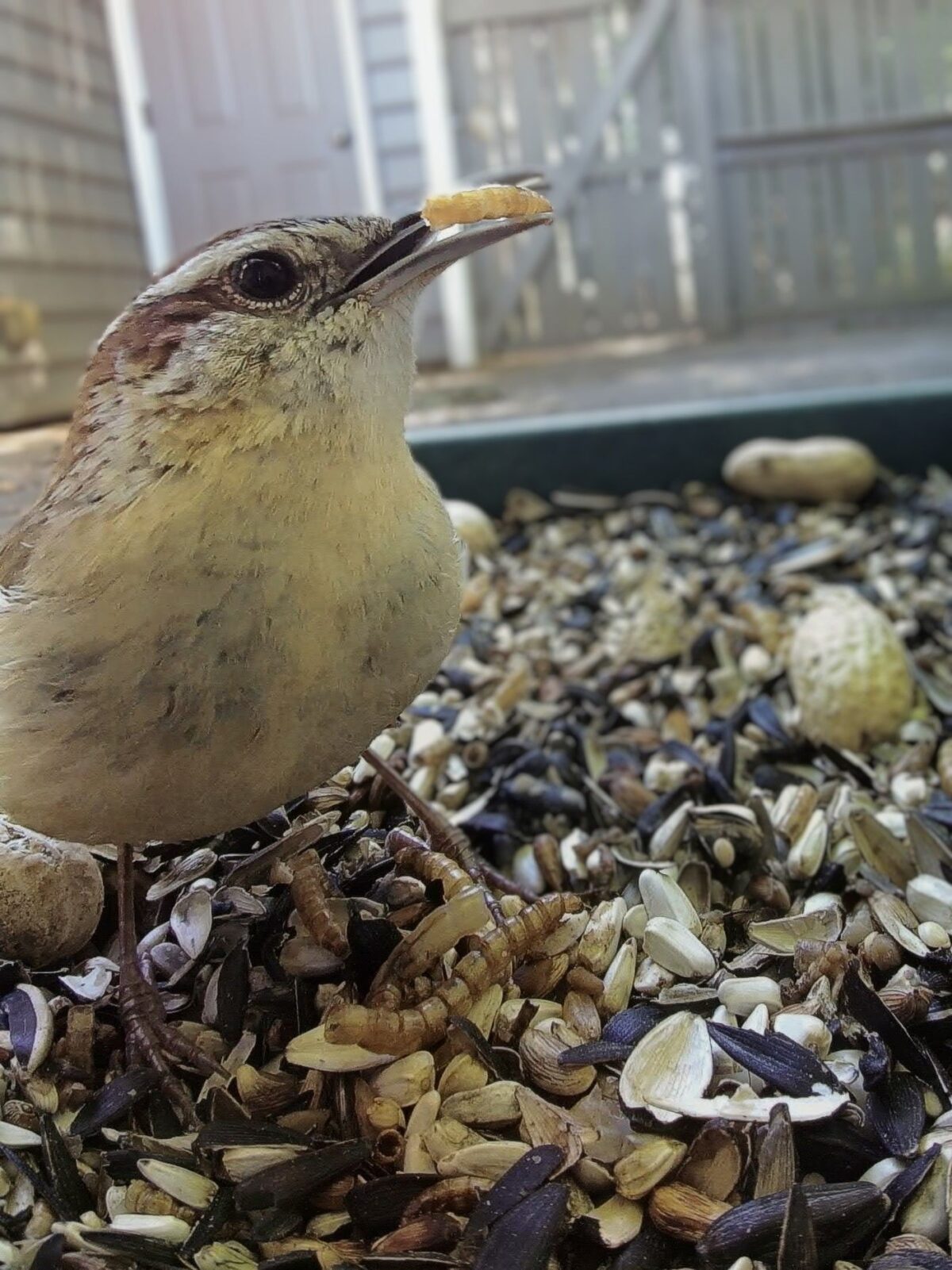
This little Carolina Wren found the ultimate snack, a mealworm! Love watching these busy birds. 🐦✨
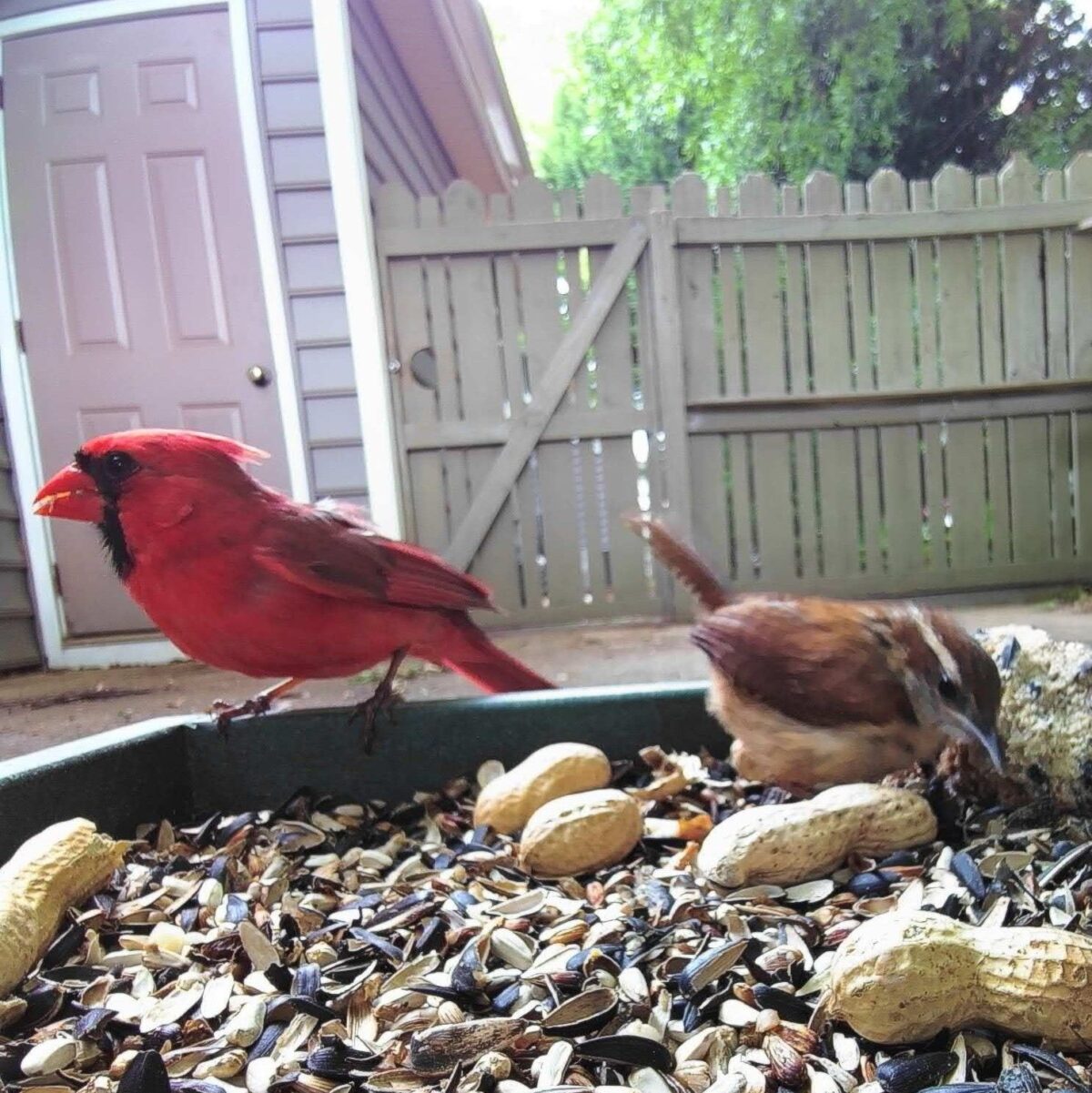
I love seeing the different strategies at the tray. While the Northern Cardinals go for the heavy seeds and nut pieces, the Carolina Wrens are on a mission for the dried mealworms. It’s a peaceful, multi-species interaction—though the Wrens definitely win the award for the best “Bird Butty” poses.

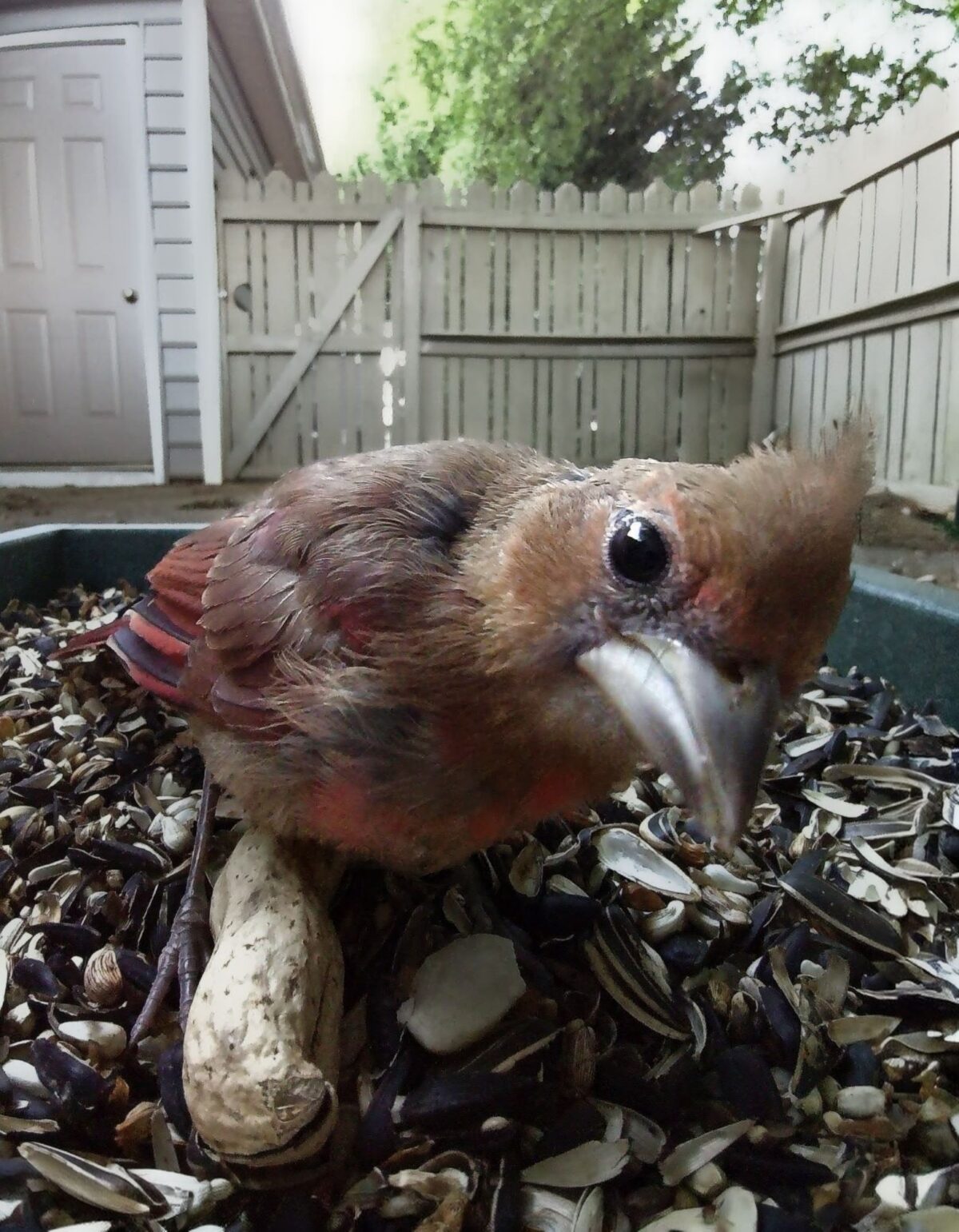
Today a juvenile Northern Cardinal was exploring my feeder. You can identify a fledgling by noting its “patchy” feathers and the fact that I saw its father feeding it just yesterday. The young bird was caught on camera investigating the Cardinal Confetti mix from Wild Birds Unlimited, likely attracted to the large nut pieces and seeds as it transitions toward independence.
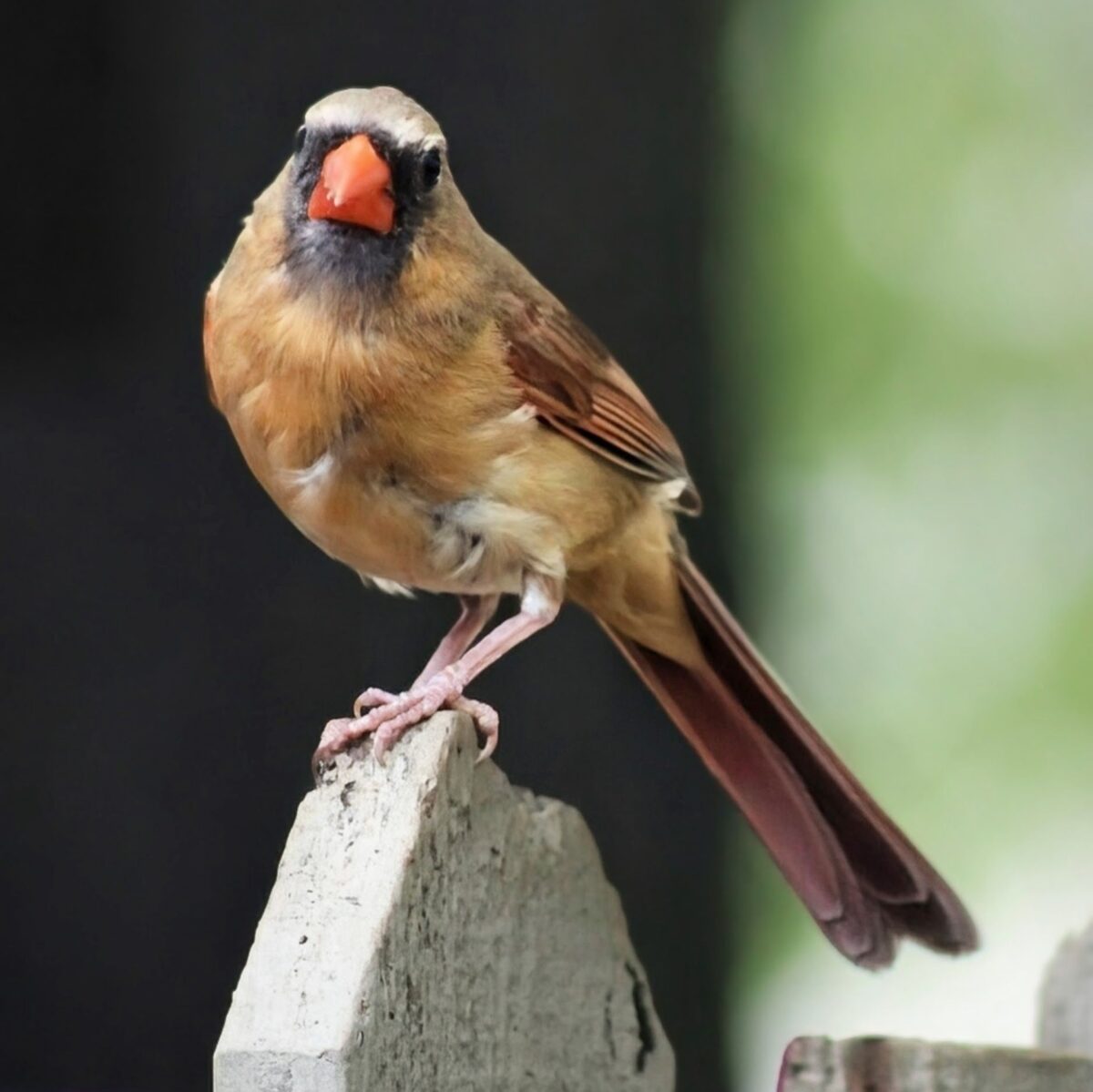
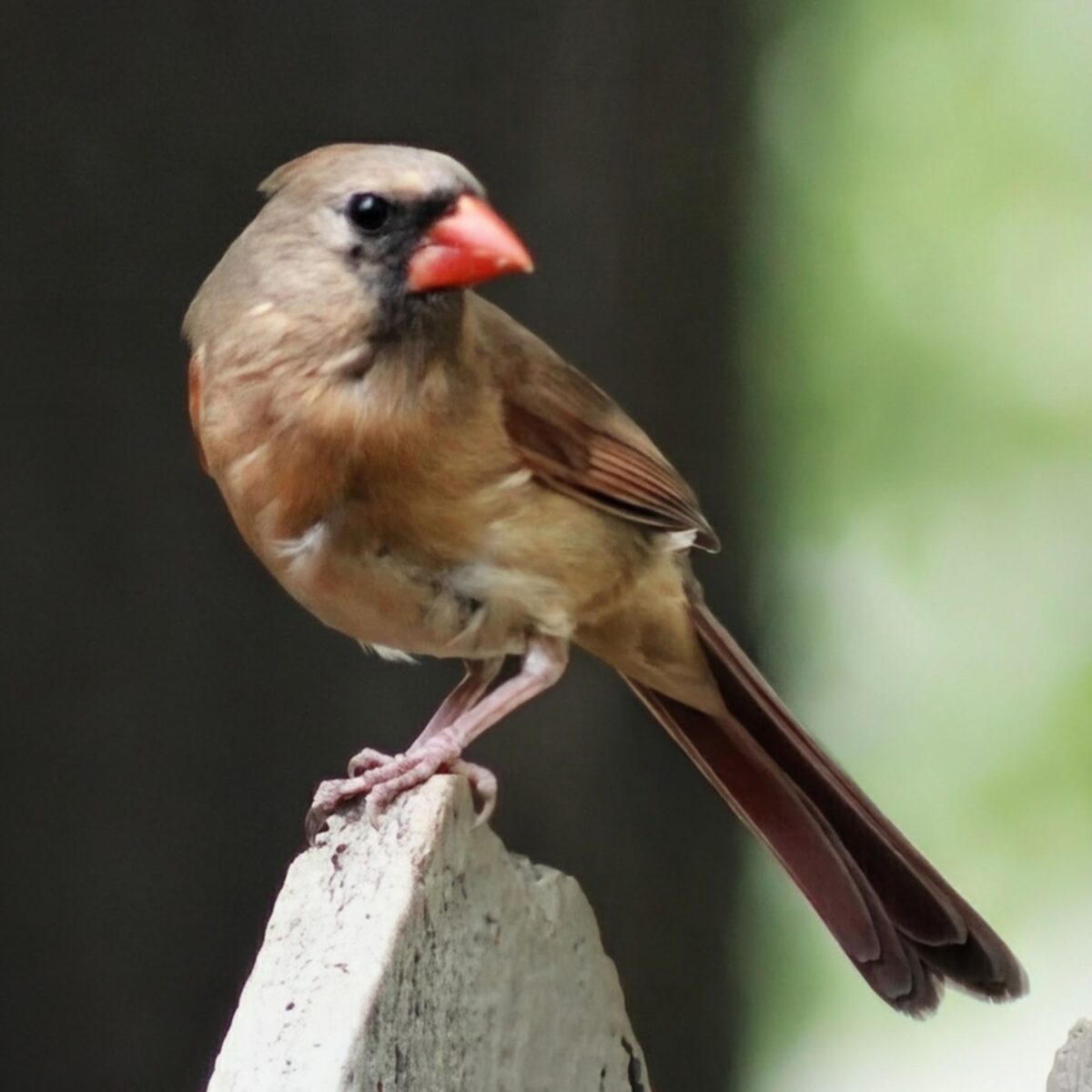
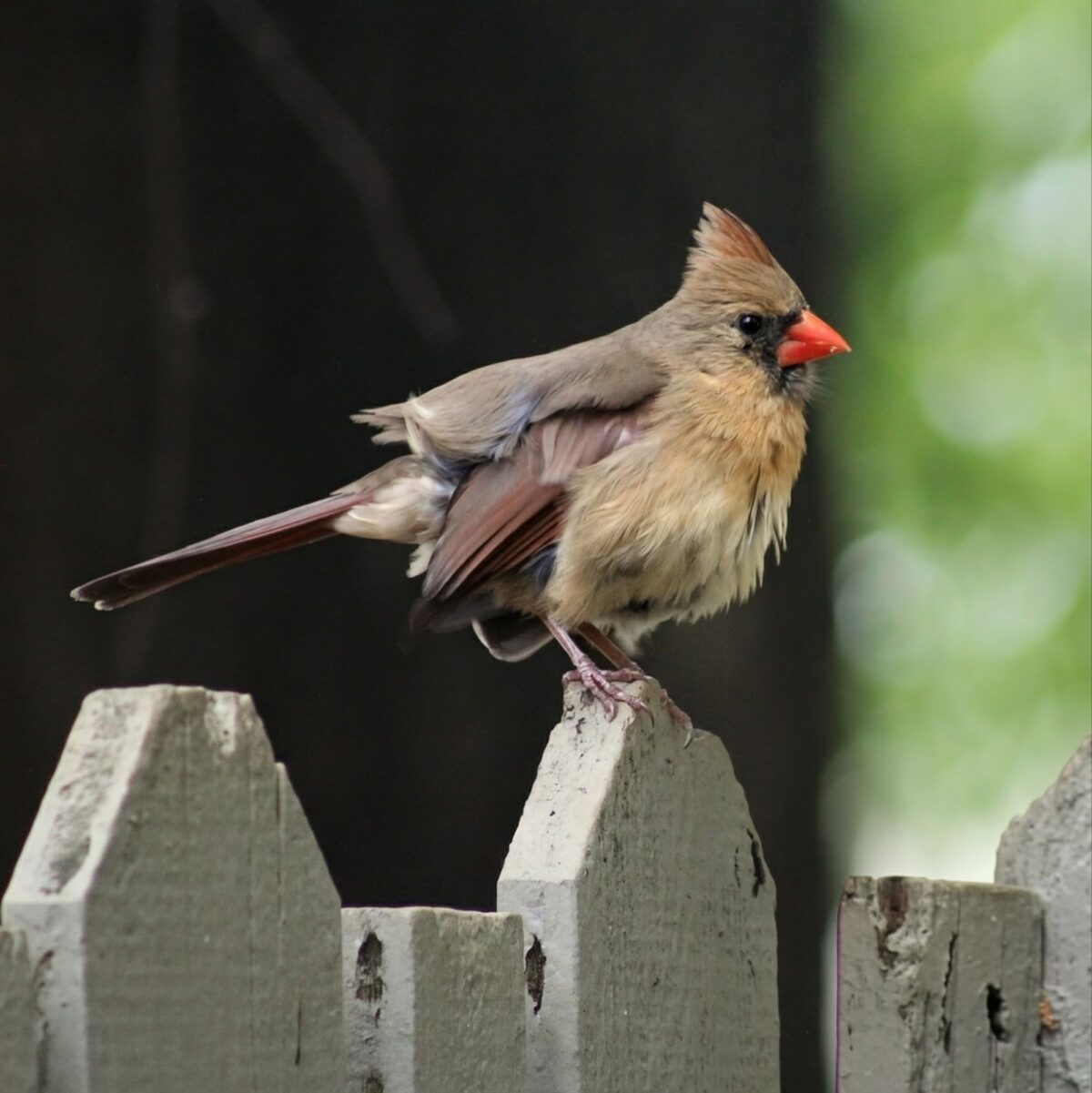
What a lovely visitor on the fence! Female Northern Cardinals are just as stunning as the males with their beautiful crests and bright beaks. So glad I caught this moment!
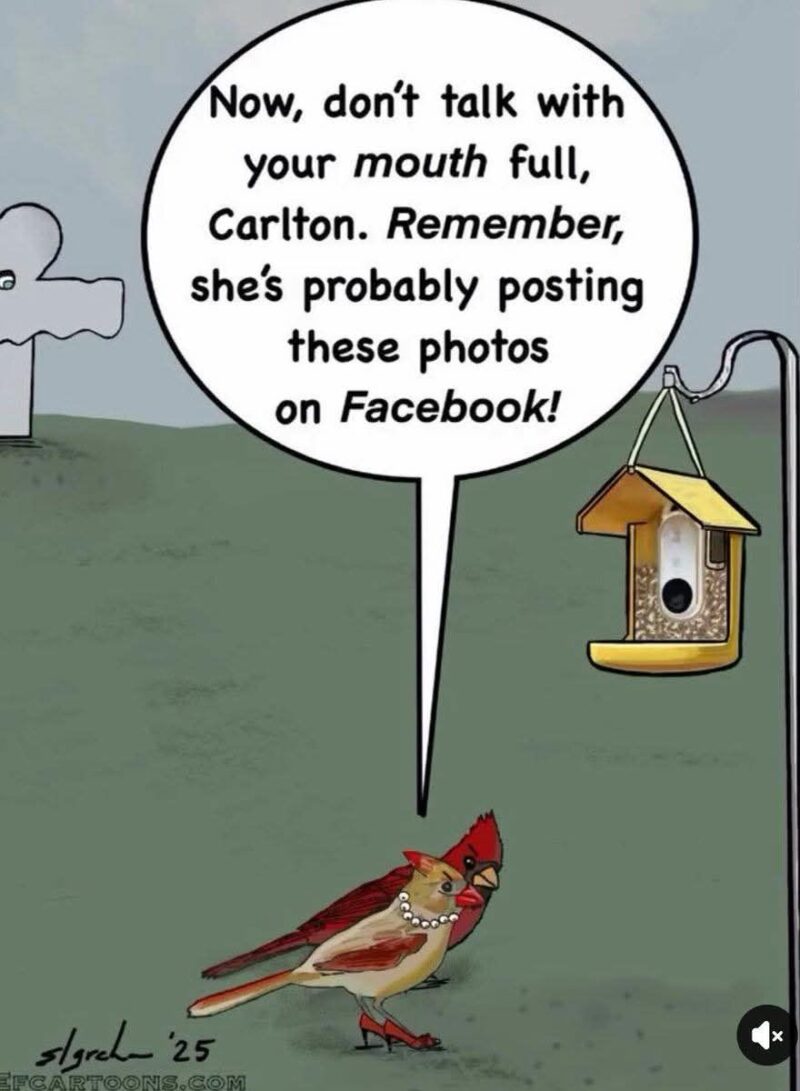
Looked out the window this morning and saw an entire family of Carolina Wrens on my tray feeder.
Such a sweet moment caught in my backyard! A beautiful male Northern Cardinal is sharing a meal with his partner. Nature’s love story in action! 💕
🔊Sound up. There’s a hungry fledgling demanding to be fed this morning.
My bird bath is getting more use as Spring turns into Summer, but the Bird Buddy 📷 doesn’t always detect the visitors.
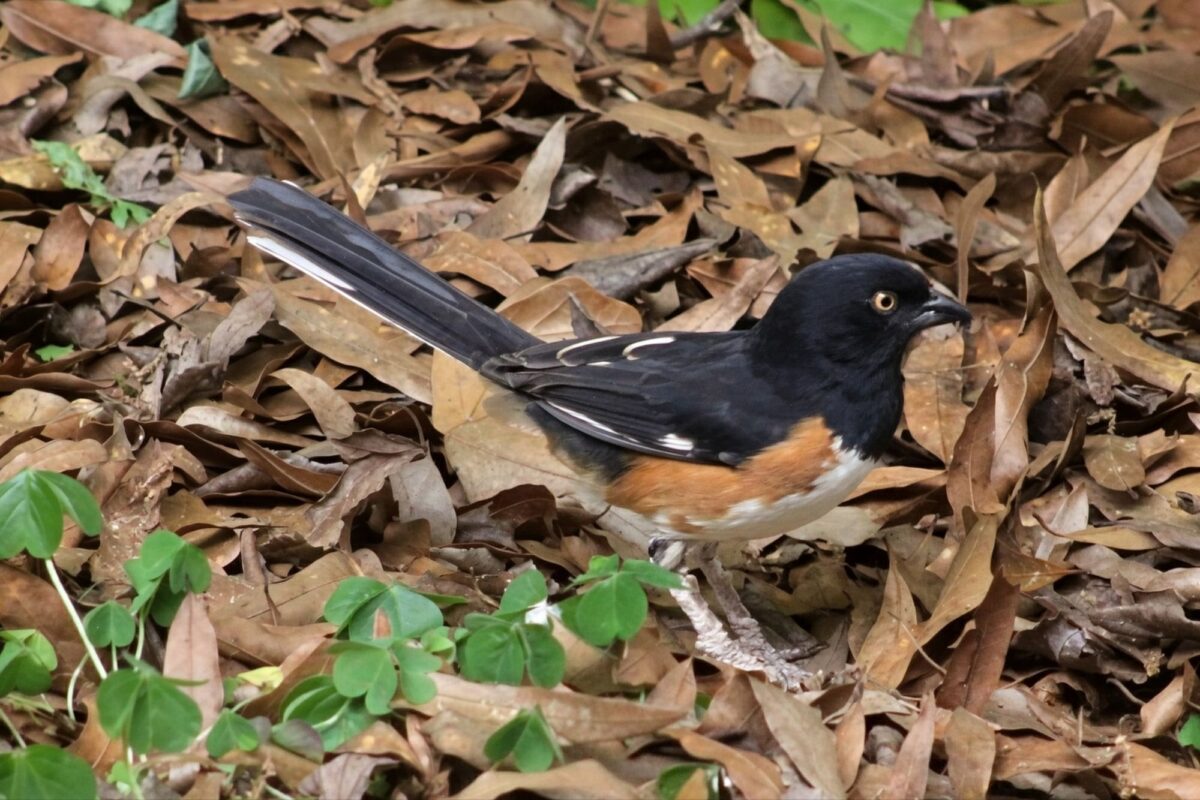
Caught this handsome male Eastern Towhee doing his signature “double-scratch” dance in the leaves 🍂 today. Those rufous sides really pop against the backyard mulch! 🐦
Look at this adorable Carolina Wren enjoying some tasty mealworms from my tray feeder! It’s such a joy to watch these little visitors.
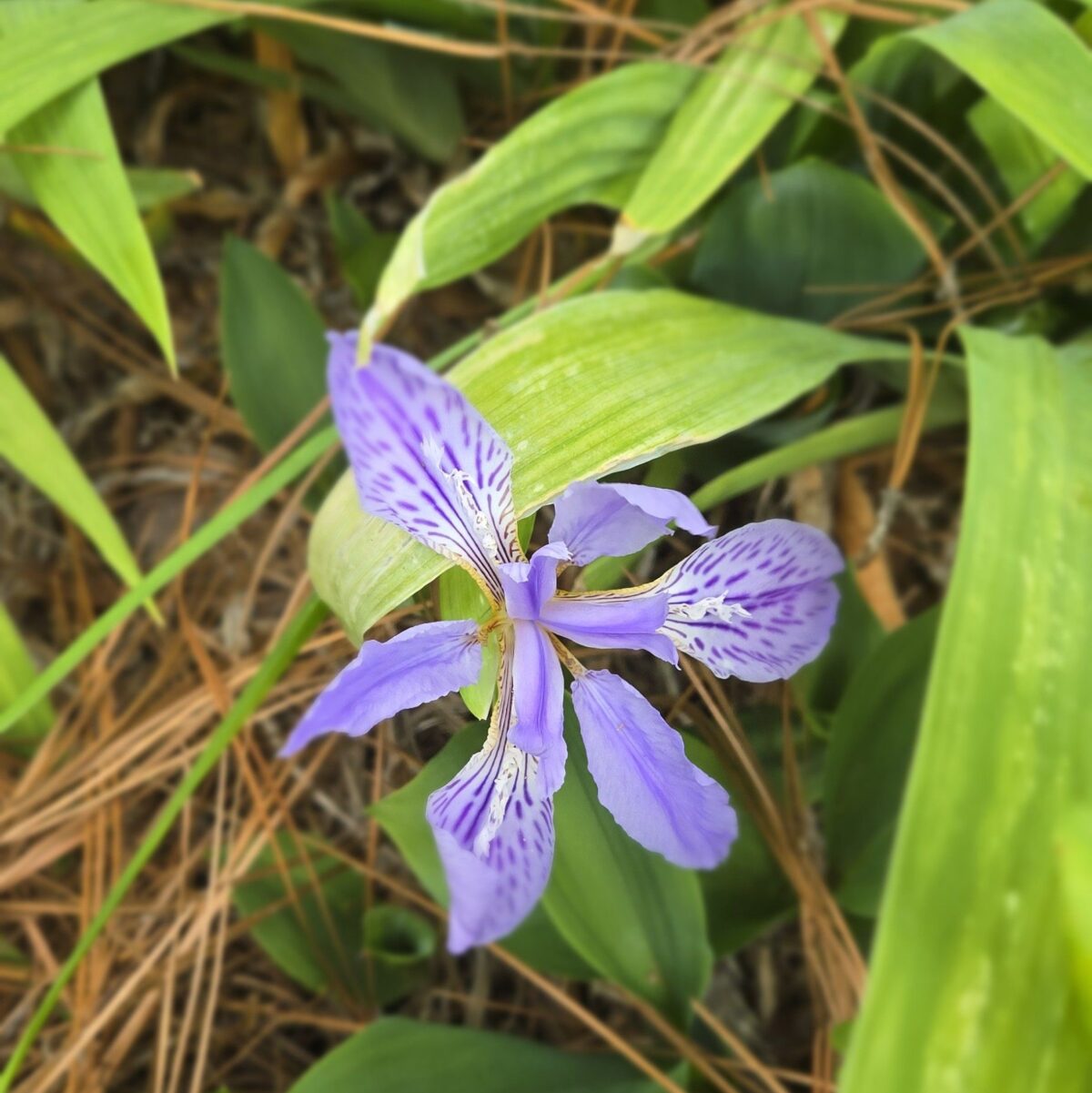
Soaking up the simple beauty of this wild iris today. Nature always knows how to add a pop of color to the day! 💜
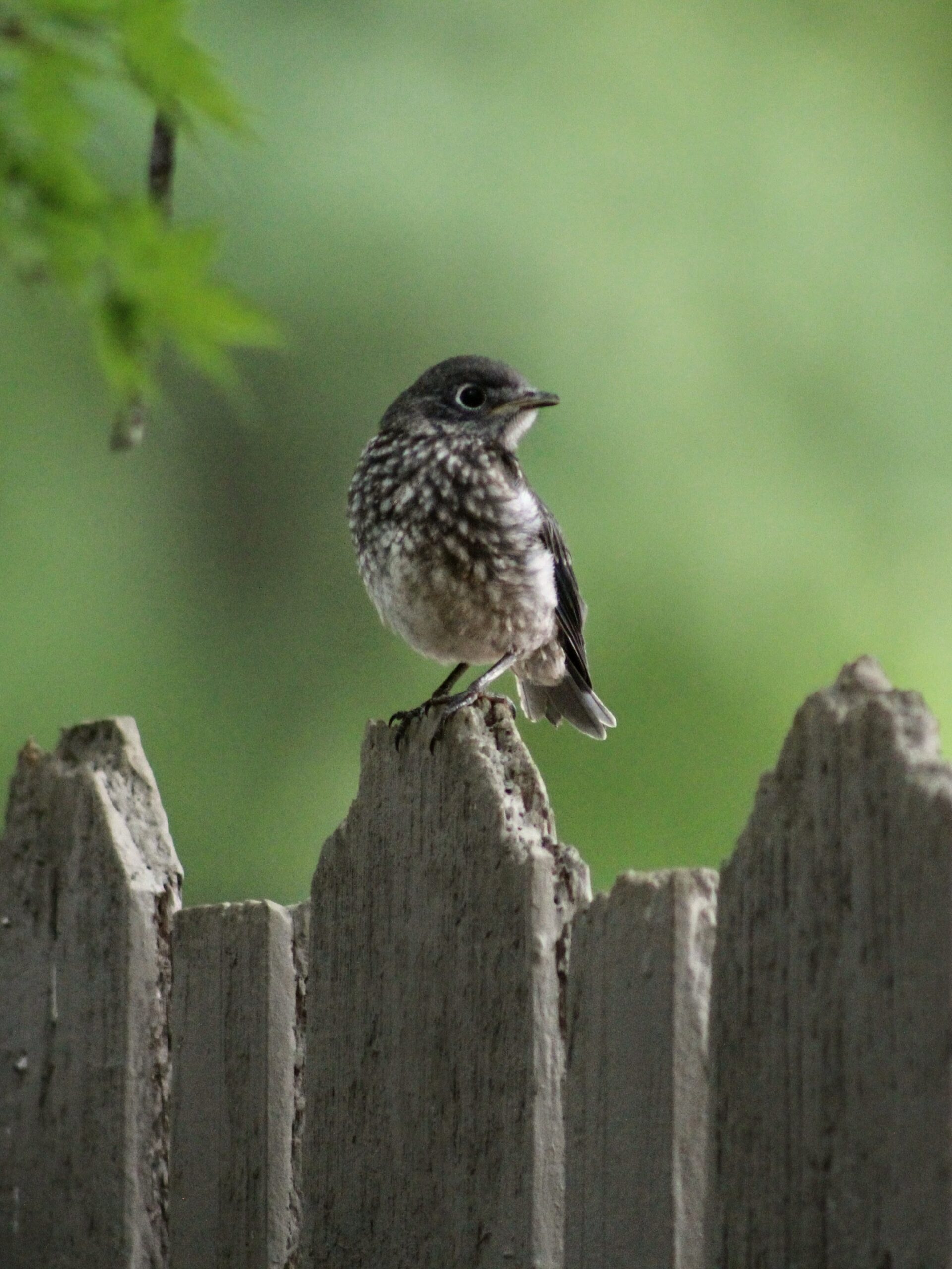
Look at this adorable little juvenile Eastern Bluebird I spotted today! It’s so neat to see their speckled feathers before they get their vibrant adult blue. What a treat! 🐦