What a peaceful sight today! I loved watching these remote-controlled sailboats glide across the water with the fountain spraying in the background. Such a relaxing way to spend the afternoon! Have any of you ever tried model sailing? ⛵️
Step right up and witness the grandest spectacle in the center ring! 🎪✨ Move over acrobats, there’s a new star under the big top. This featherweight flyer traded the backyard bird feeder for the main stage, showing off some absolutely flawless balance on a giant beach ball! Talk about an aerial act you won’t want to miss. 🦜🔴
Caught my backyard Carolina Wren mastering the Singing Cobra yoga pose ✨ Head back, beak wide open, channeling those morning vibes and belting out a full-throated ‘teakettle-teakettle!’ Who needs a studio when your feeder doubles as a yoga mat? Namaste, little legend.
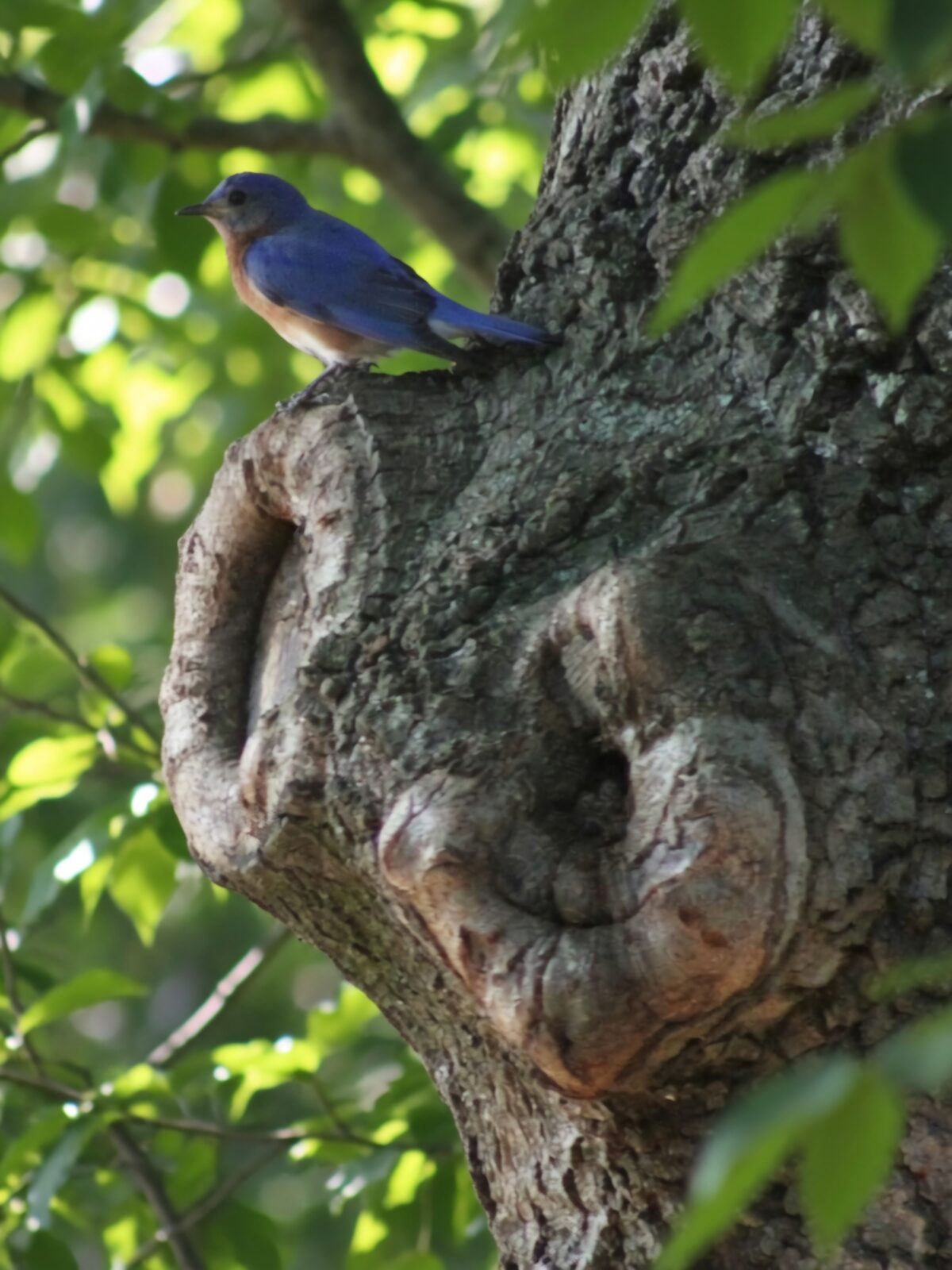
Look who’s back! So glad to see this beautiful bluebird gracing my tree again after being MIA for a few weeks. Always a joy to spot these vibrant little guys!
My trusty Bird Buddy feeder has been delivering some serious eye candy lately! From flashy visitors to sweet little regulars, here are my favorite shots from the past week in the backyard.
Which one is your favorite? Drop a comment below — I’m always curious what catches your eye!
If you’ve ever watched a pair of Eastern Bluebirds frantically hunting in your backyard, you know just how hard bird parents work. Back in April, I was lucky enough to witness the payoff: a pair of resident Eastern Bluebirds successfully raised their first brood, and I caught the rewarding sight of a brand-new fledgling on my fence.
But now that June is here, it raises a fascinating question: are they done for the summer? Not even close! Raising multiple broods in a single season is actually a core part of the Eastern Bluebird’s summer survival strategy. While two broods are standard across most of their range, it is incredibly common for these birds—especially here in the warmer southern regions—to successfully raise three distinct broods before autumn arrives. It takes roughly five to six weeks to go from egg-laying to fledging. Because this pair got such an early start in April, they are perfectly on track to wrap up round two right about now, with a potential third batch running through July and August. Managing a continuous assembly line of hungry chicks requires serious teamwork. While the female incubates the next clutch of eggs, the male takes over full-time dad duty, teaching the speckled teenagers from the first round how to hunt. So, if you notice a sudden spike in traffic at the mealworm feeder, or spot a bright blue dad feeding a scruffy, spotted juvenile while mom sneaks back to the nest, you’re witnessing the ultimate backyard tag-team effort. Keep your eyes on the skies—and the fence lines—for round two!