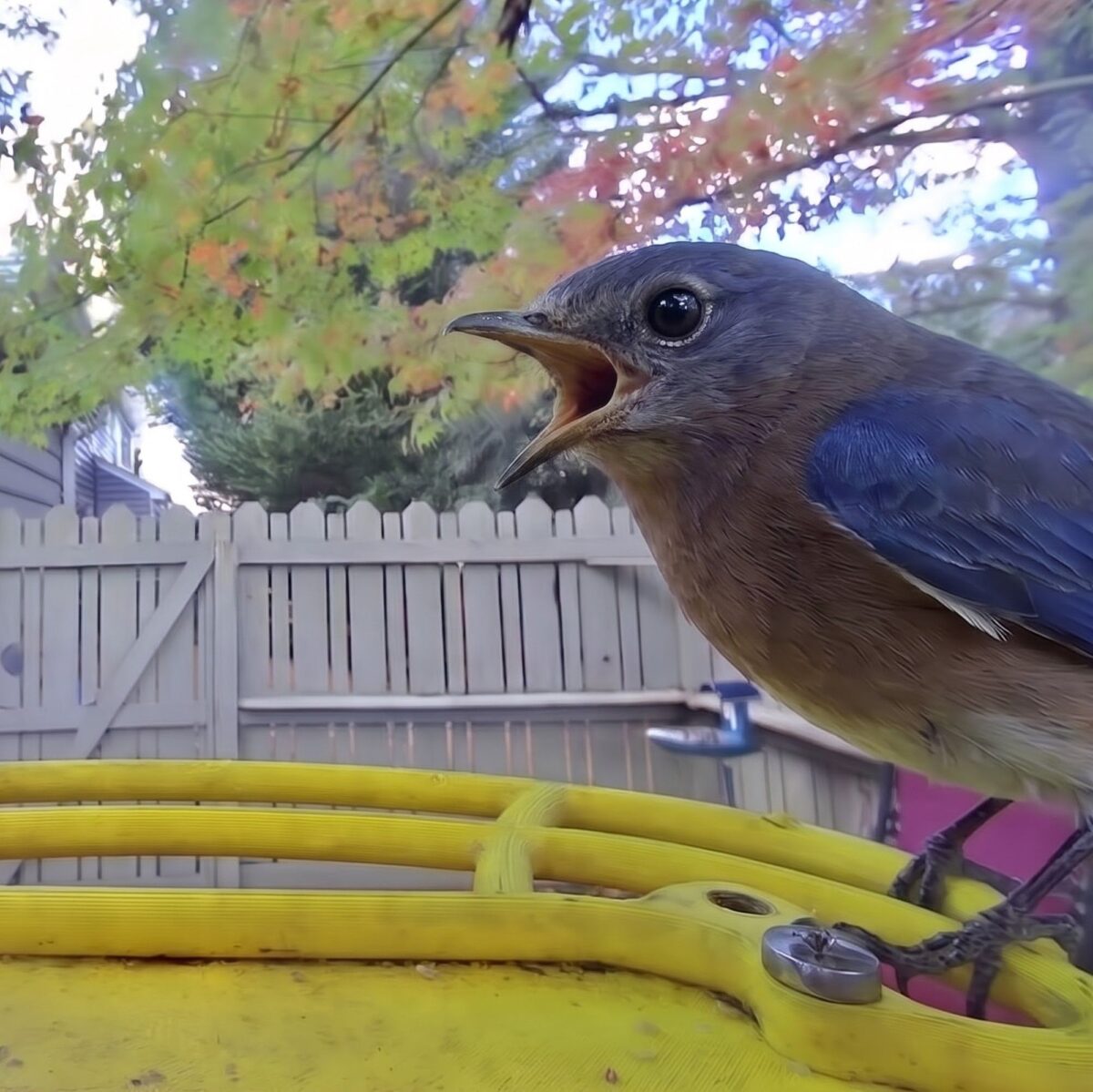
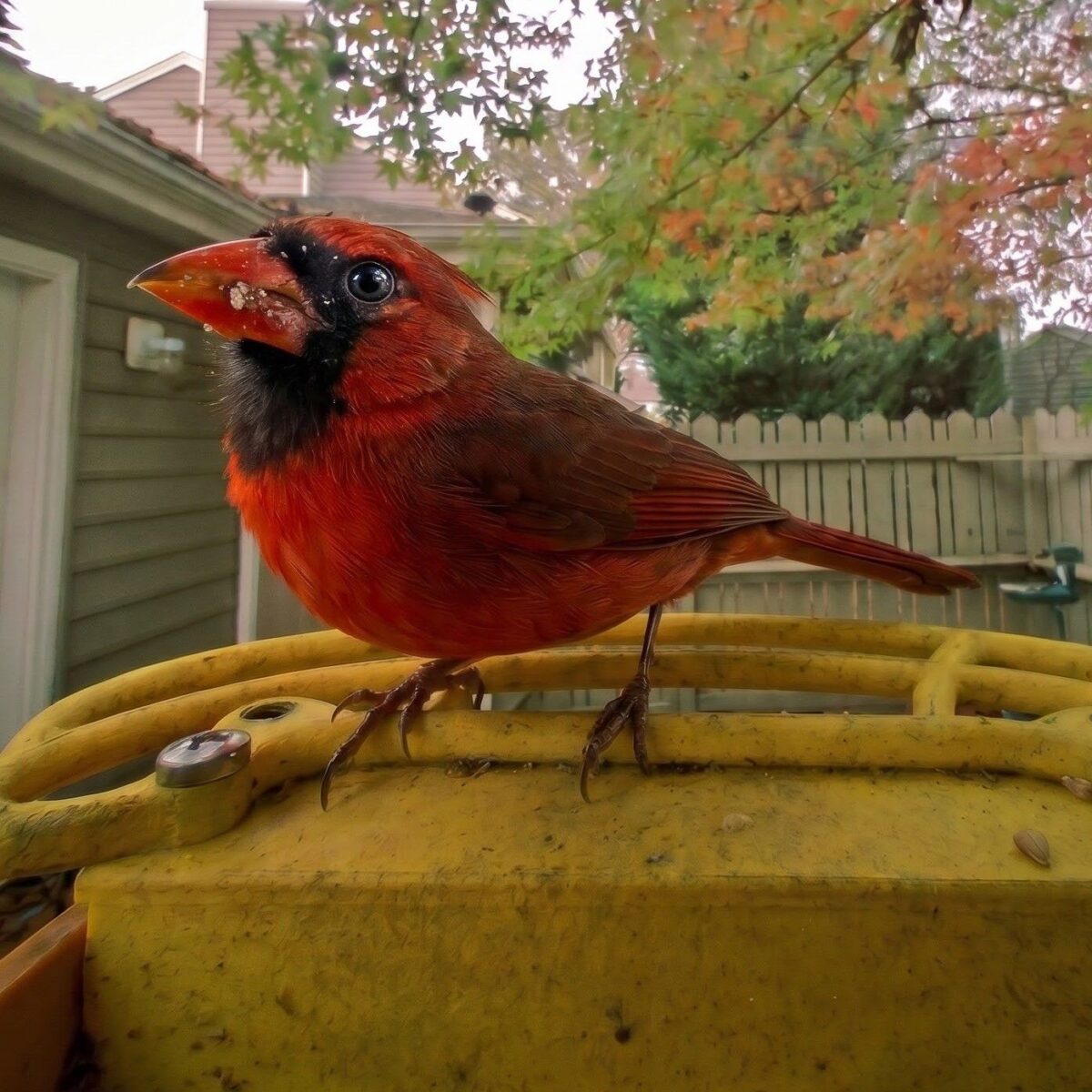
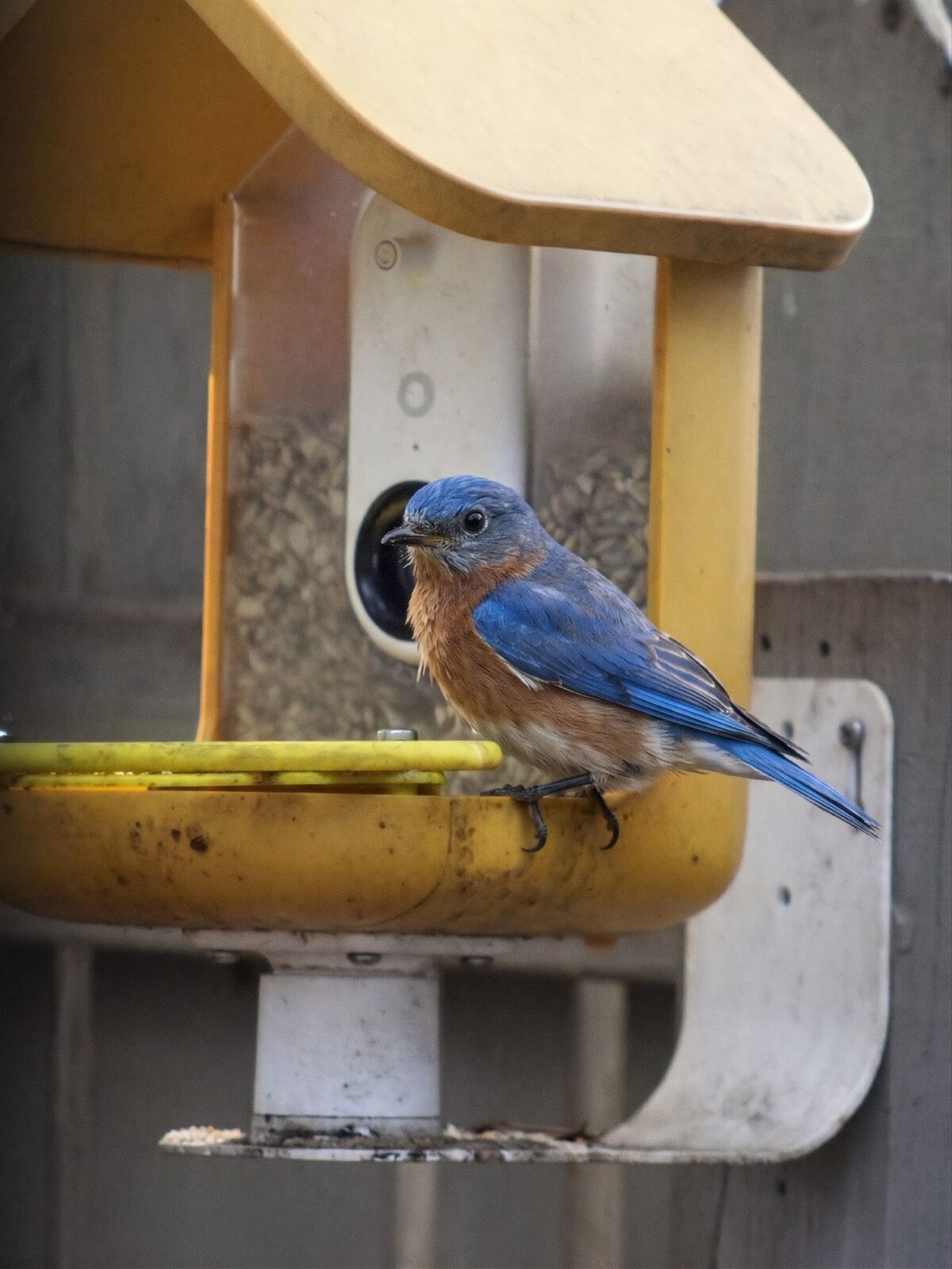
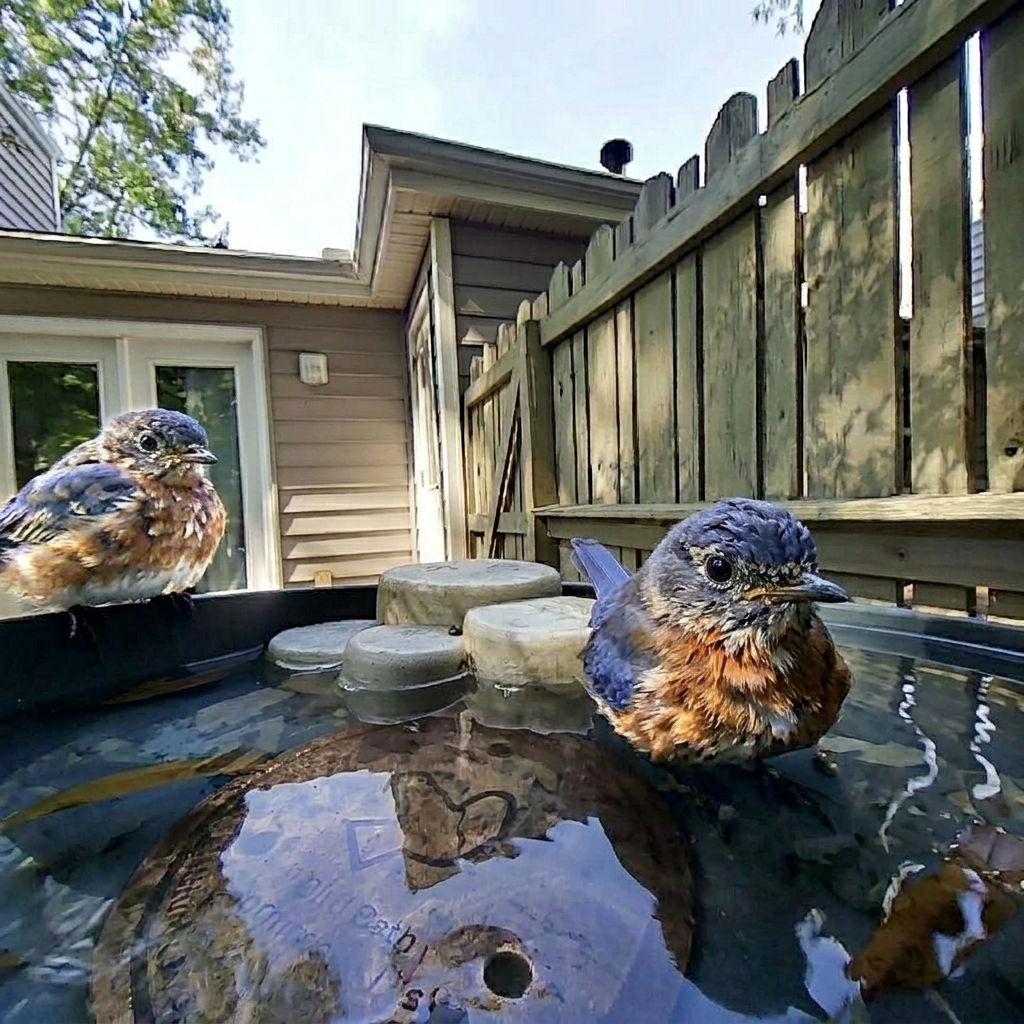
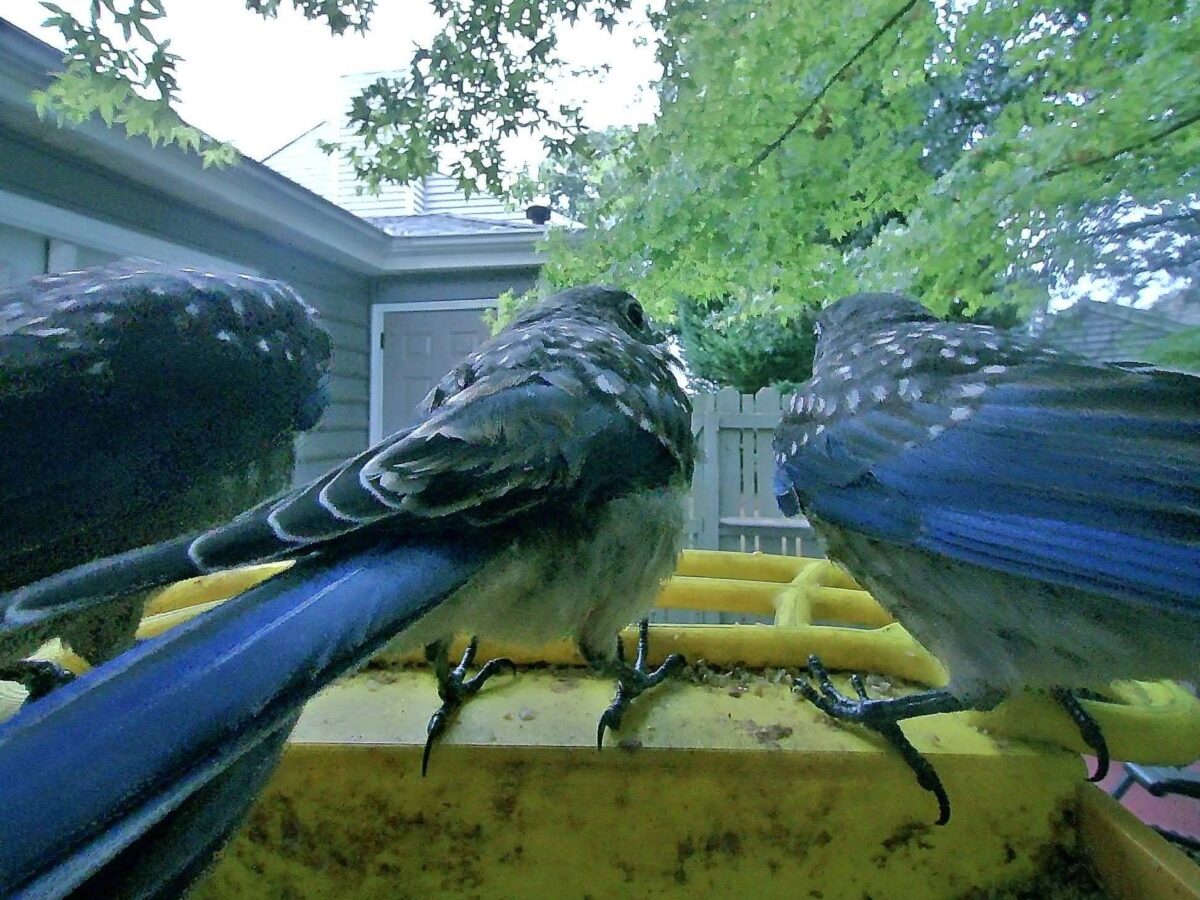
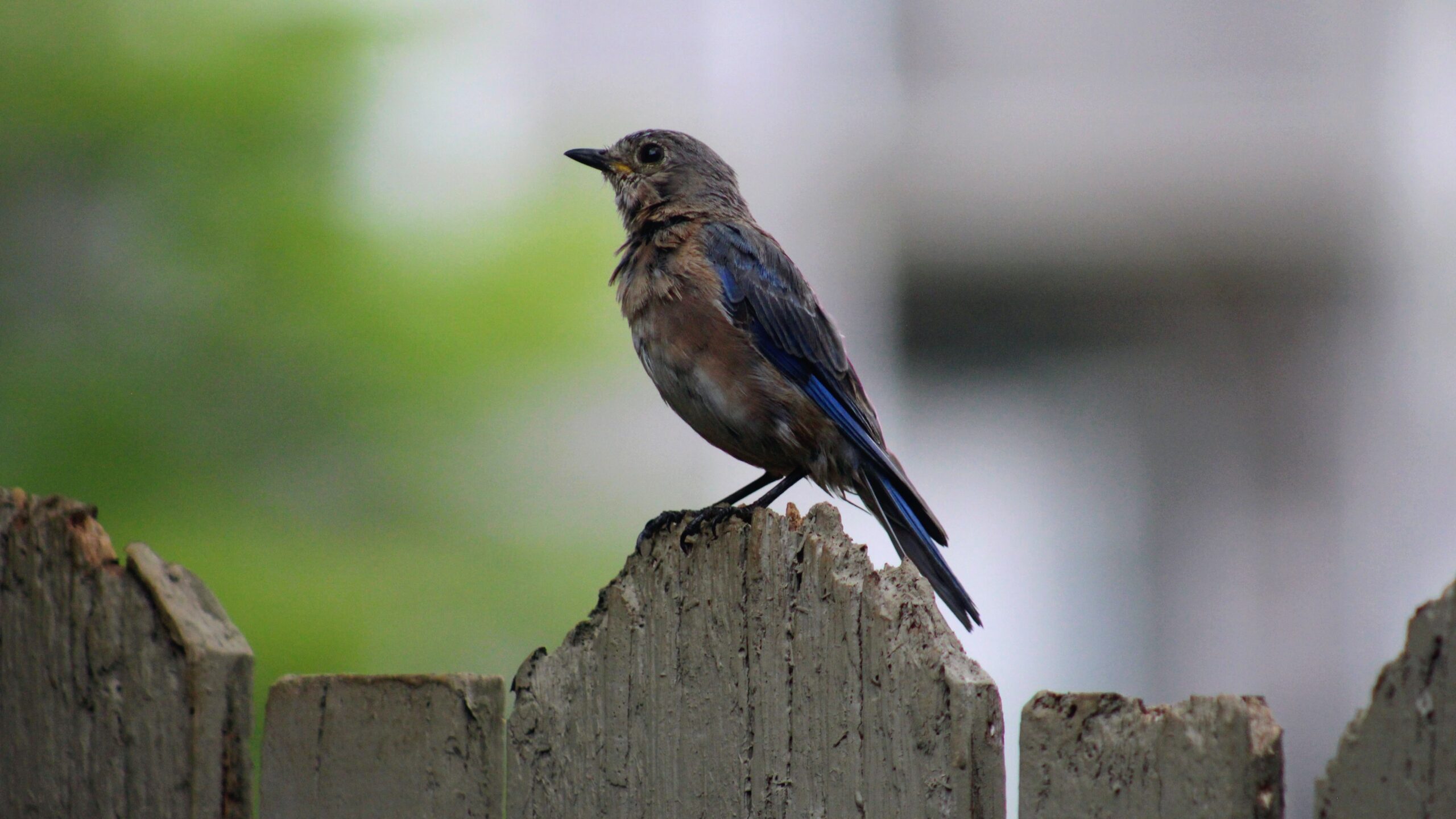
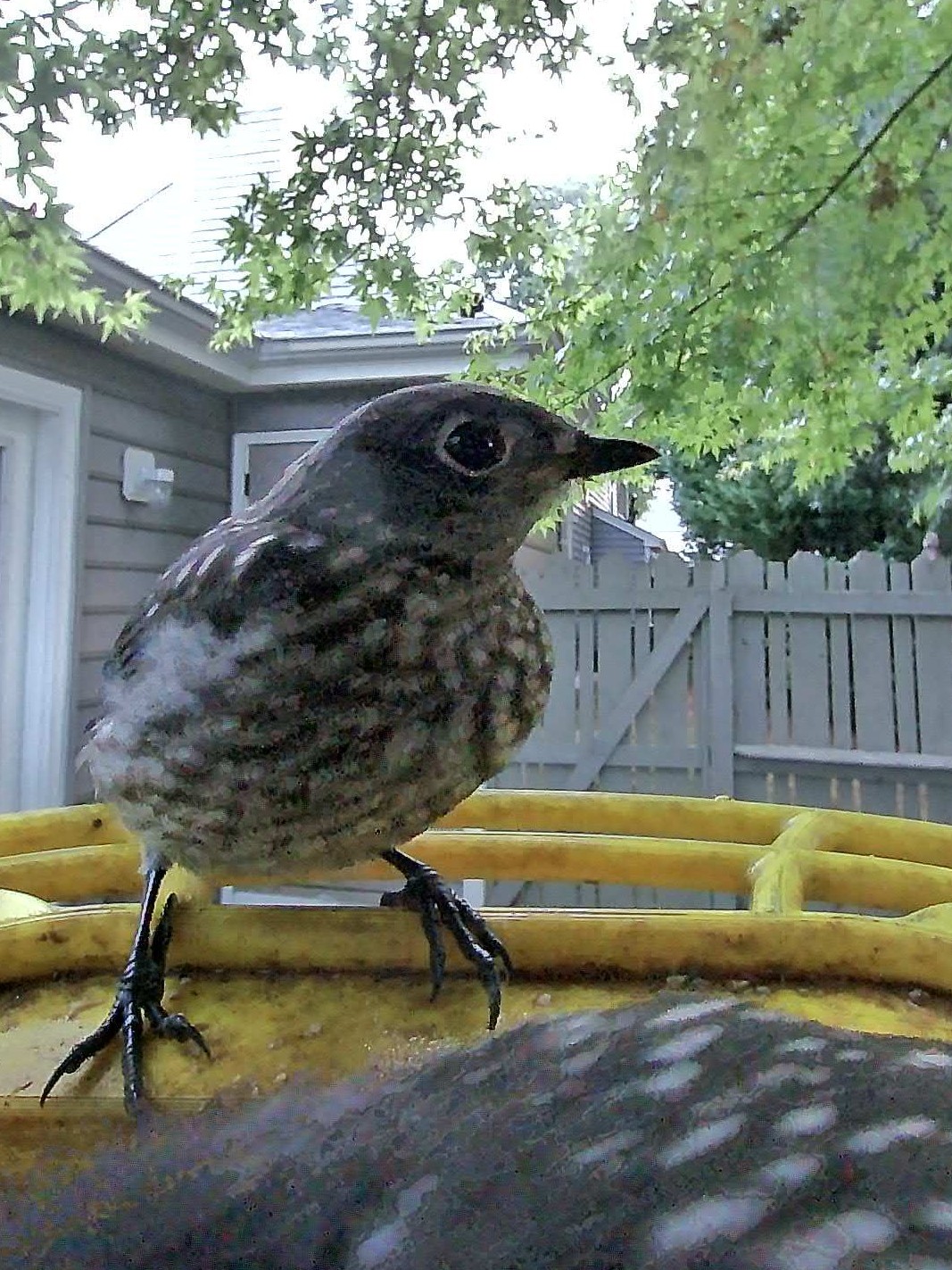
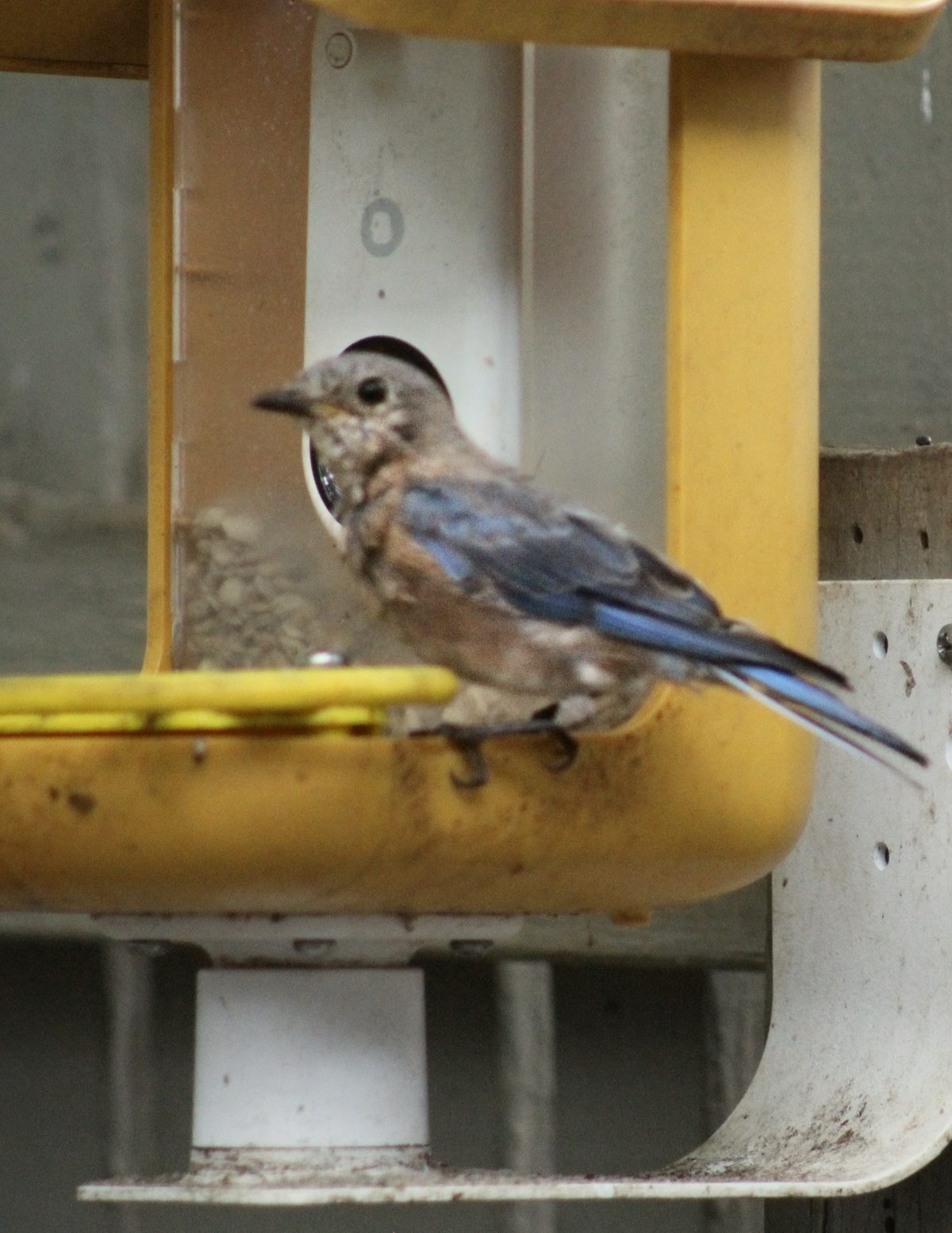
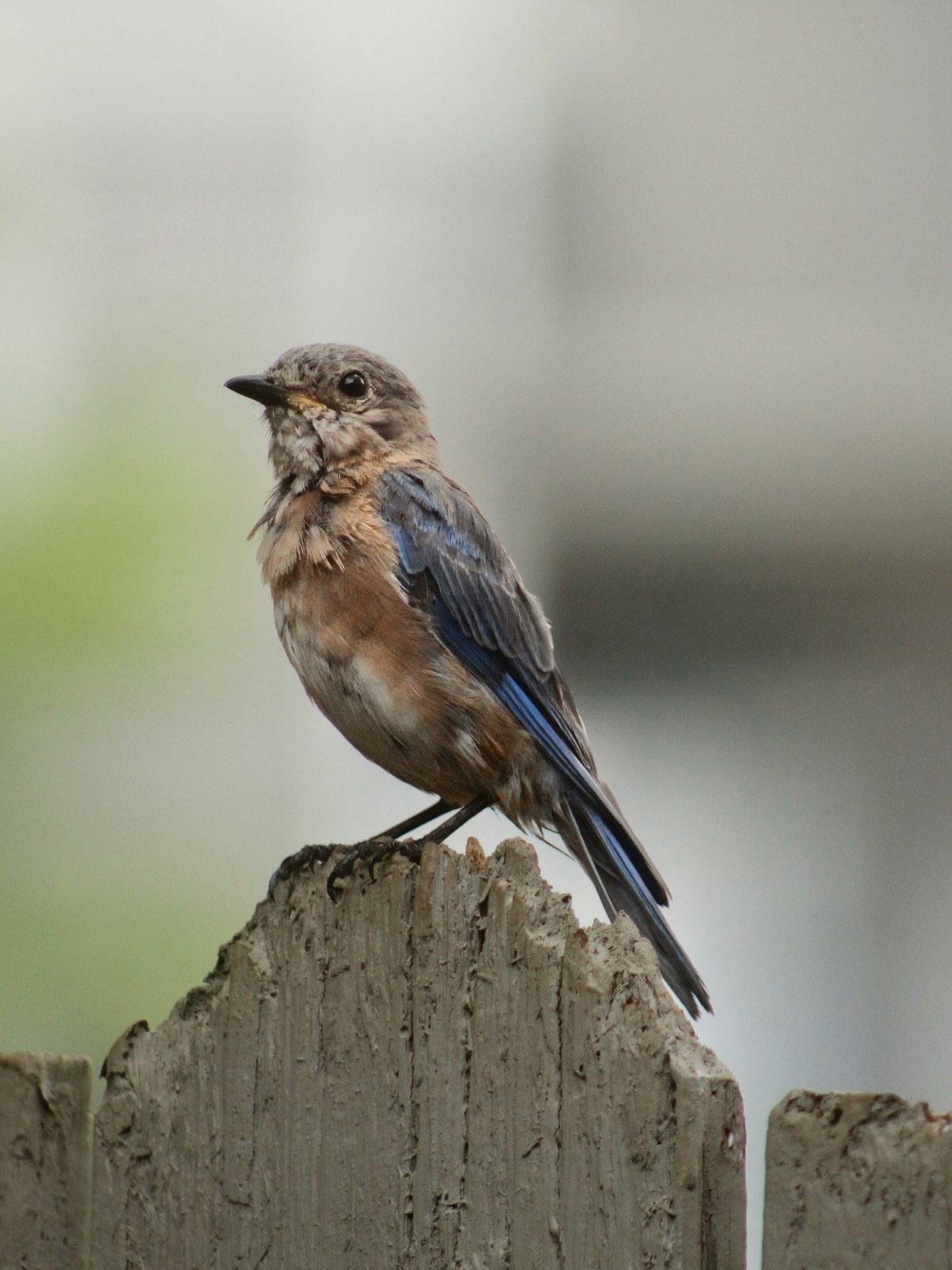
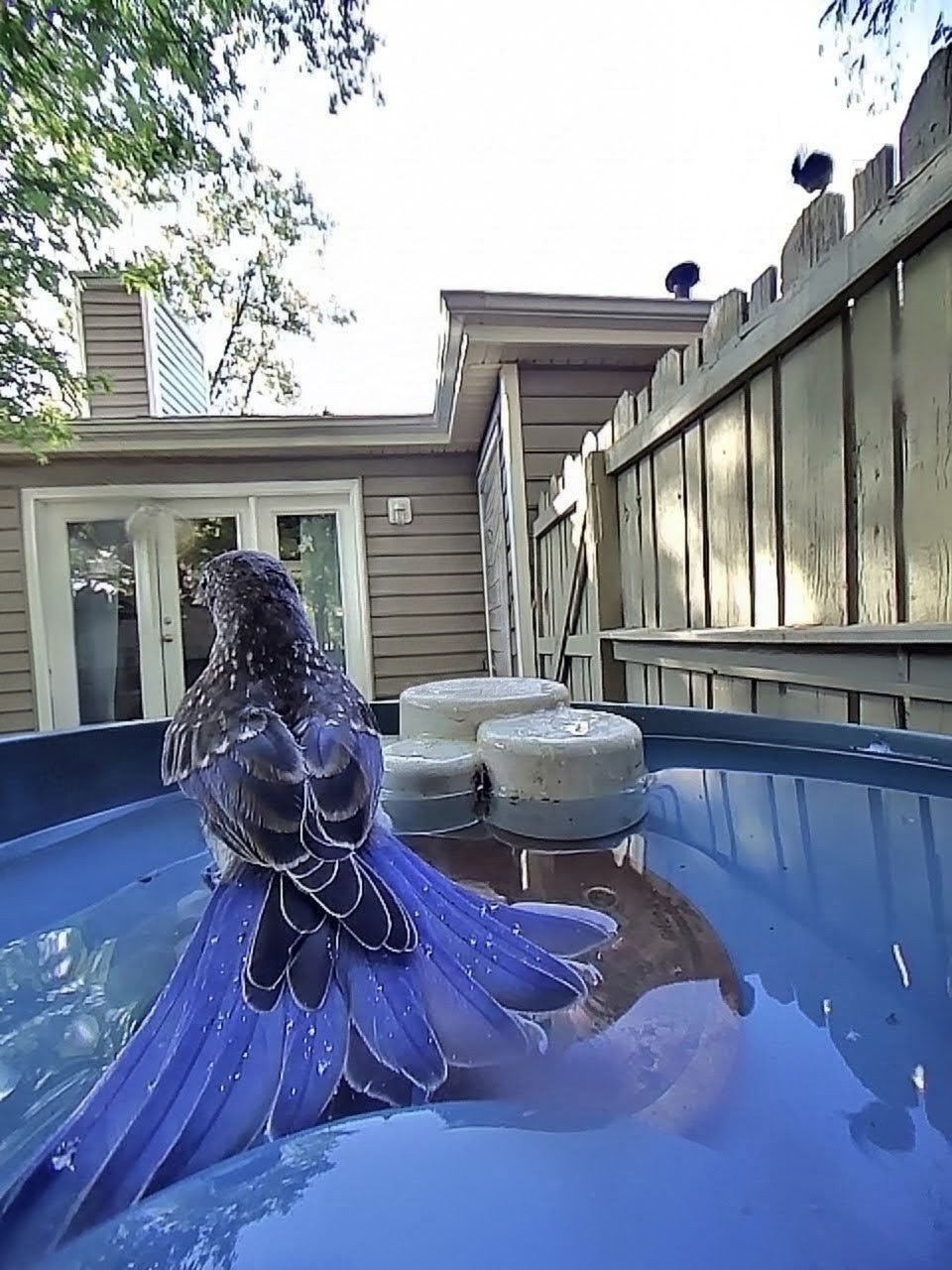
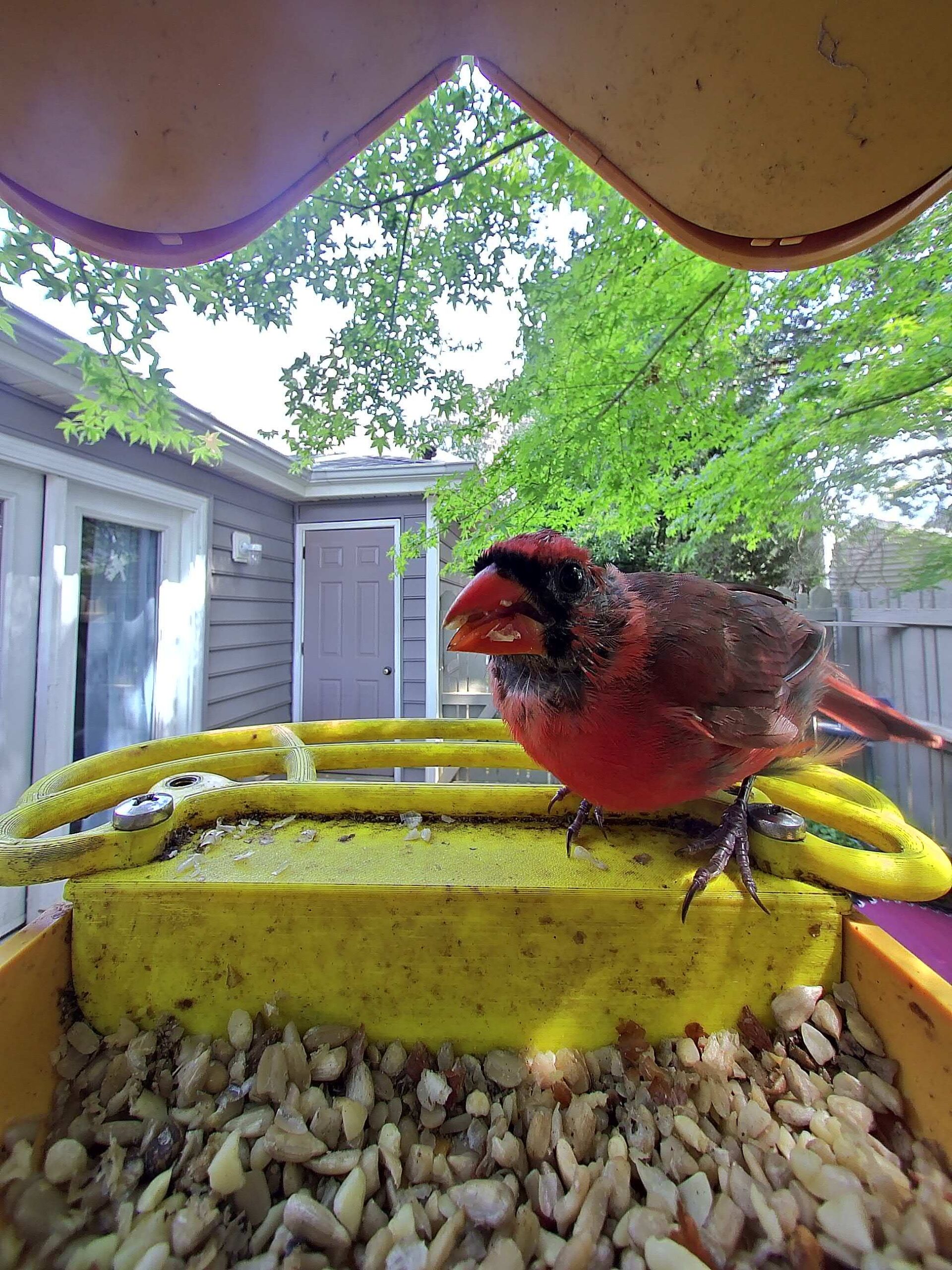
When Huey tries to cut in line at the feeder, Louise has plenty to say about it. 😤🐦 Sisterly diplomacy is officially on pause until everyone respects the perch queue. #BackyardBirds #BirdBuddy #BirdWatching #FeatheredFriends #EasternBluebird
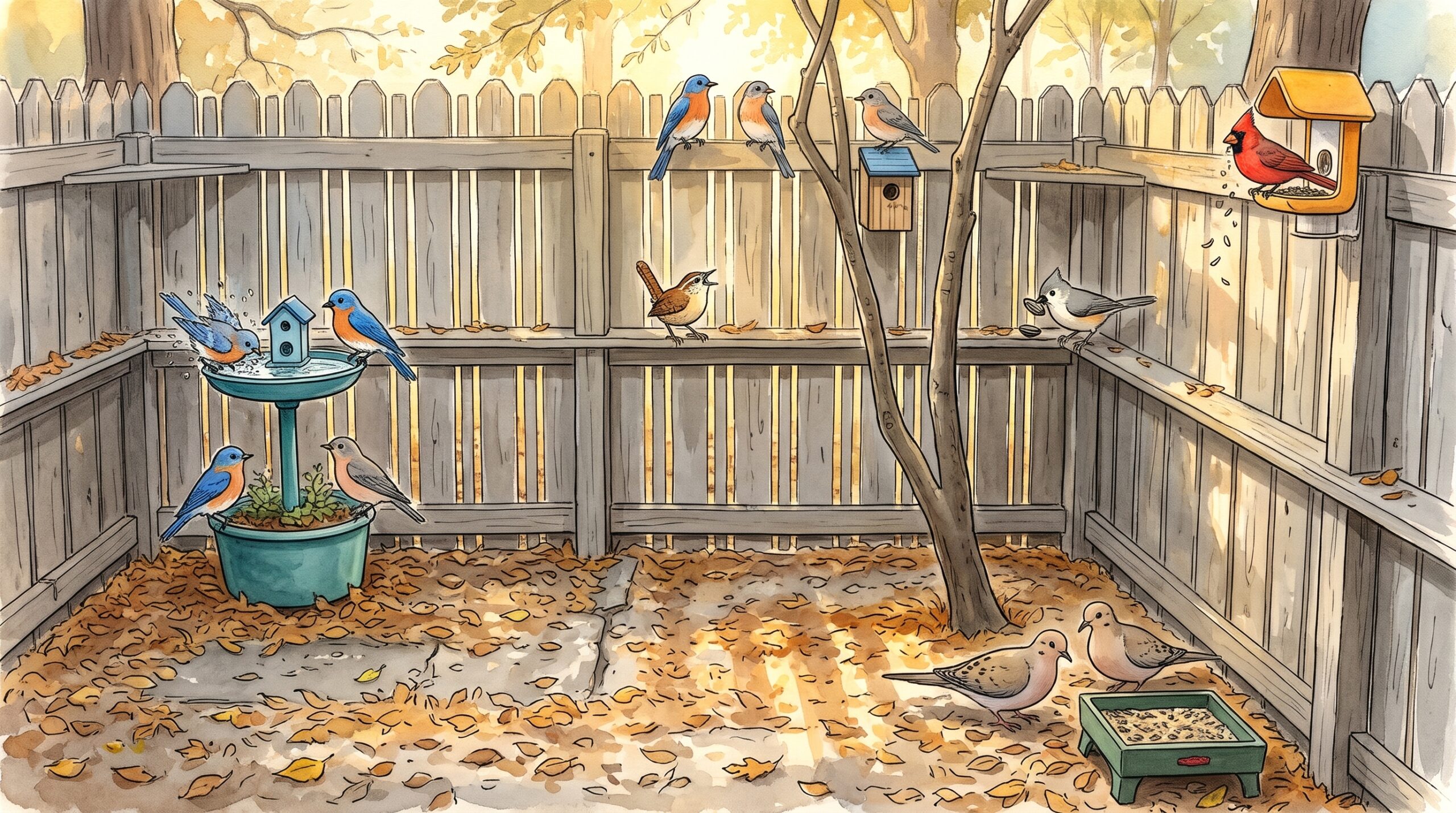
Meet the regulars who turn our backyard feeders, bird bath, and fence line into an ongoing wildlife sitcom. From Donald and Daisy and their bluebird triplets (Huey, Dewey, and Louise) to Freddie the 90-decibel Carolina Wren, Ringo the seed-drumming Tufted Titmouse, Bruce the messy Northern Cardinal, and Jake and Elwood the Mourning Dove ground crew, click here for the full roster and how everyone earned their name.
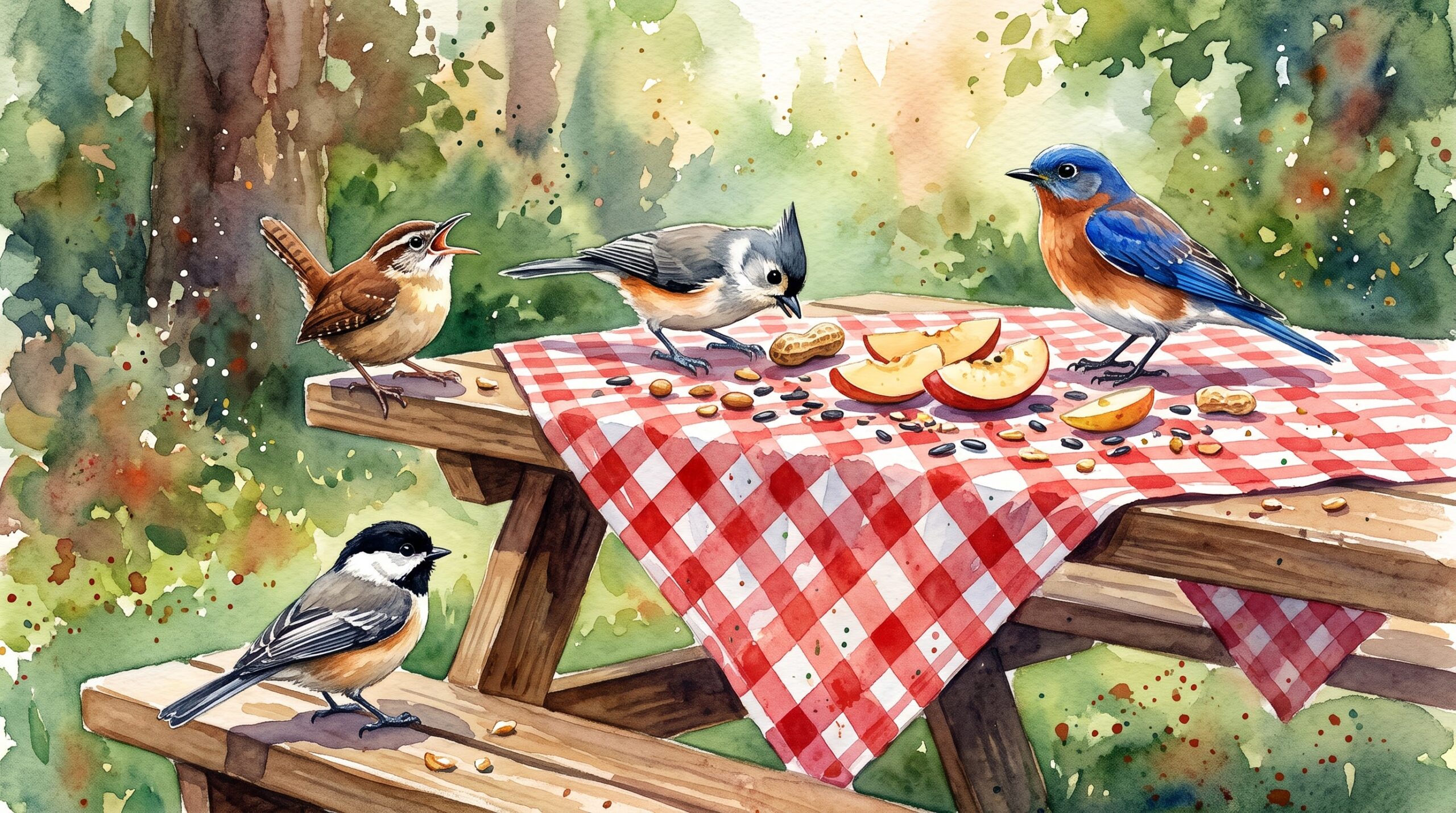
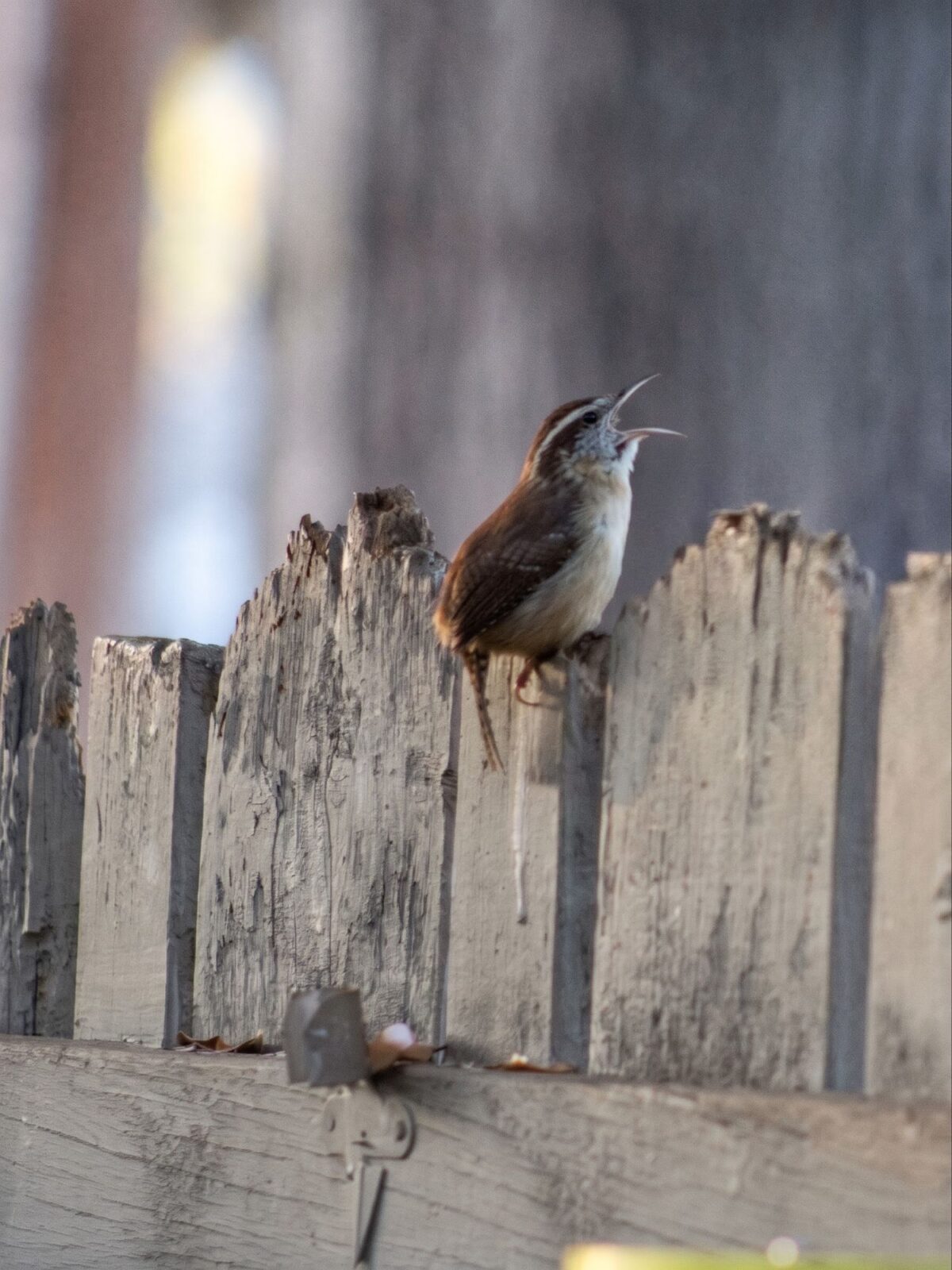
At lunchtime today, the backyard suddenly erupted into organized chaos, courtesy of a Carolina Wren acting as the neighborhood’s self-appointed dinner bell. Perched atop the weathered fence line, head thrown back and beak wide open, he delivered a ringing summons that no bird within earshot could ignore.
Carolina Wren
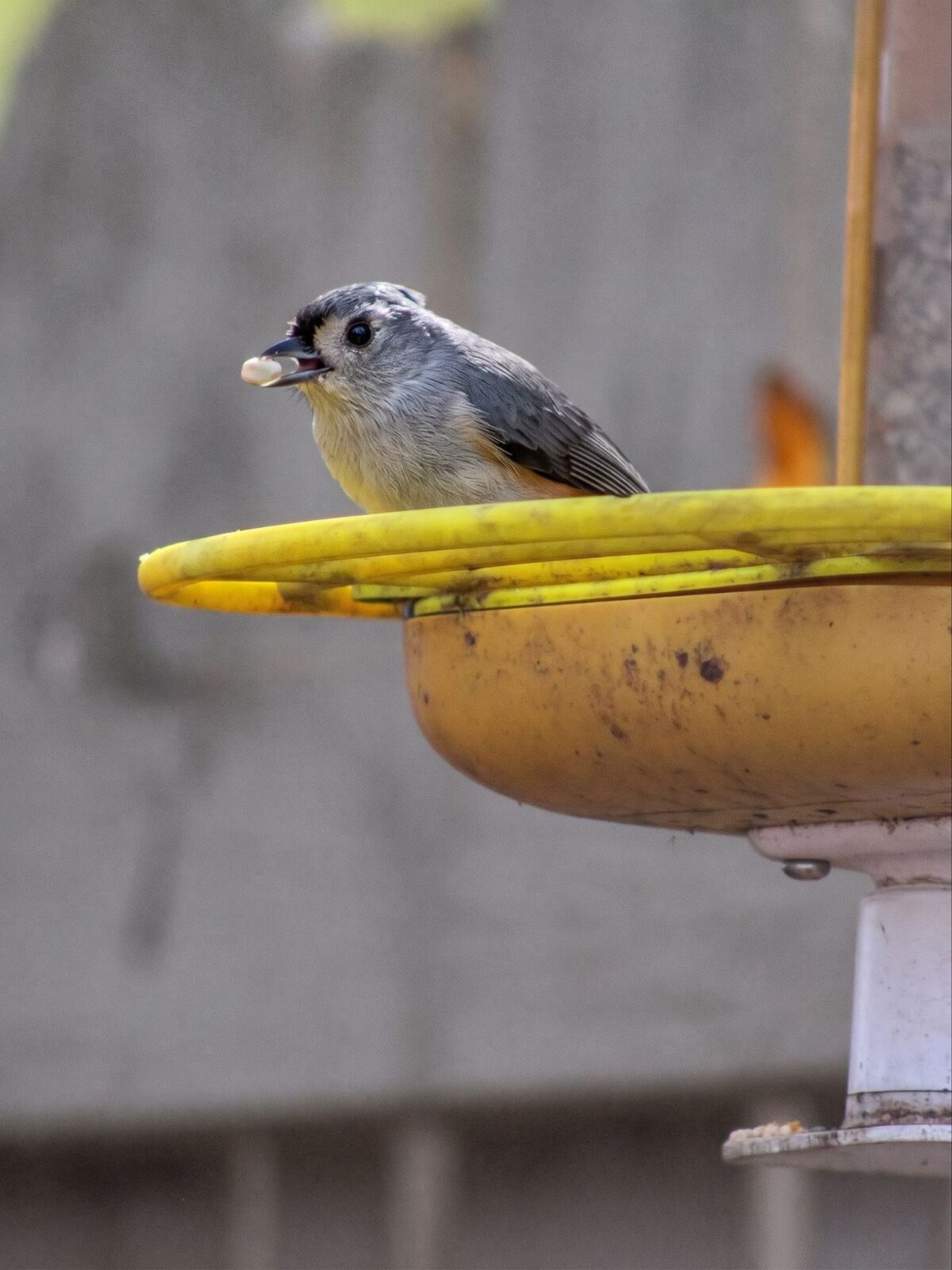
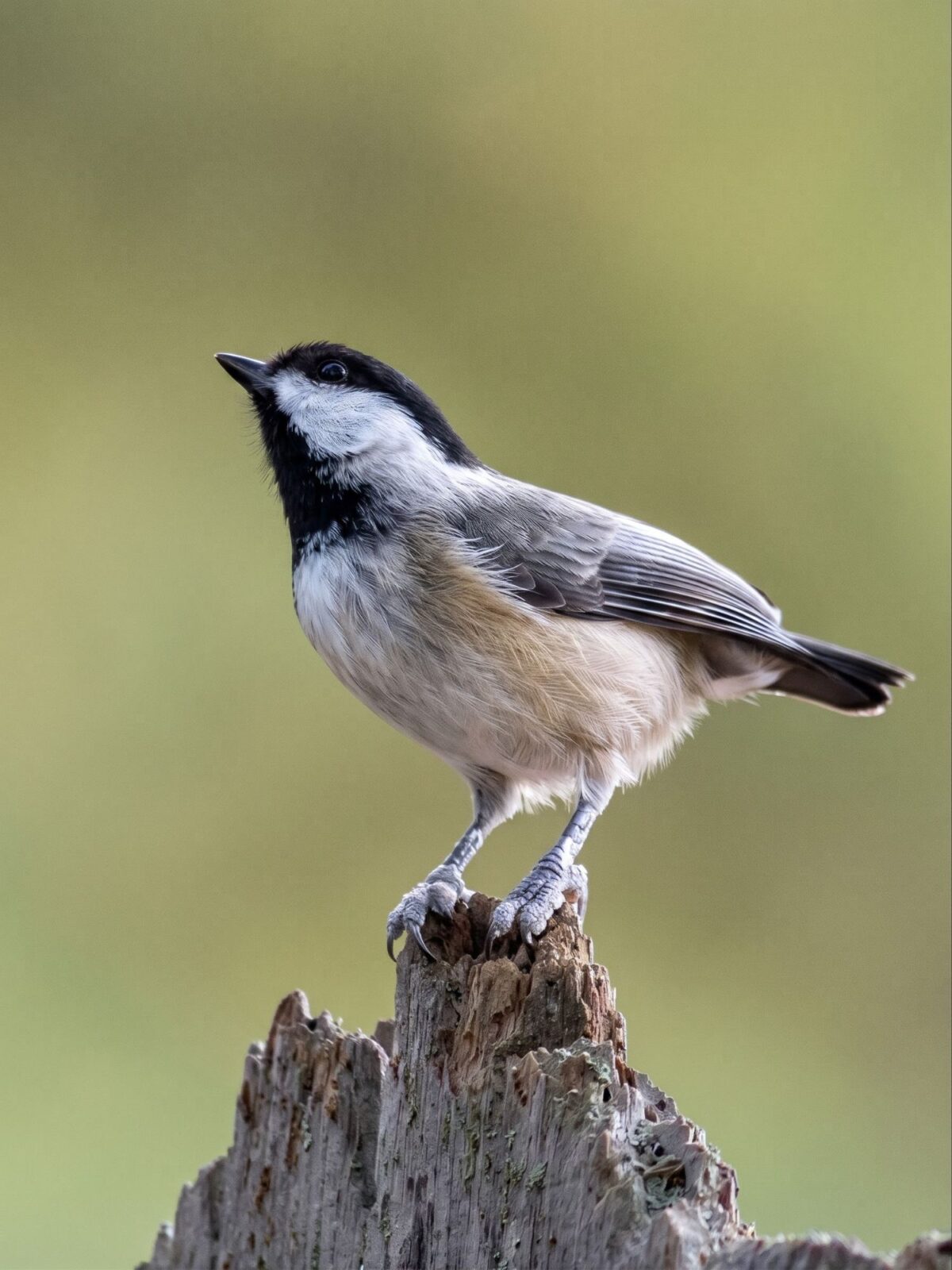
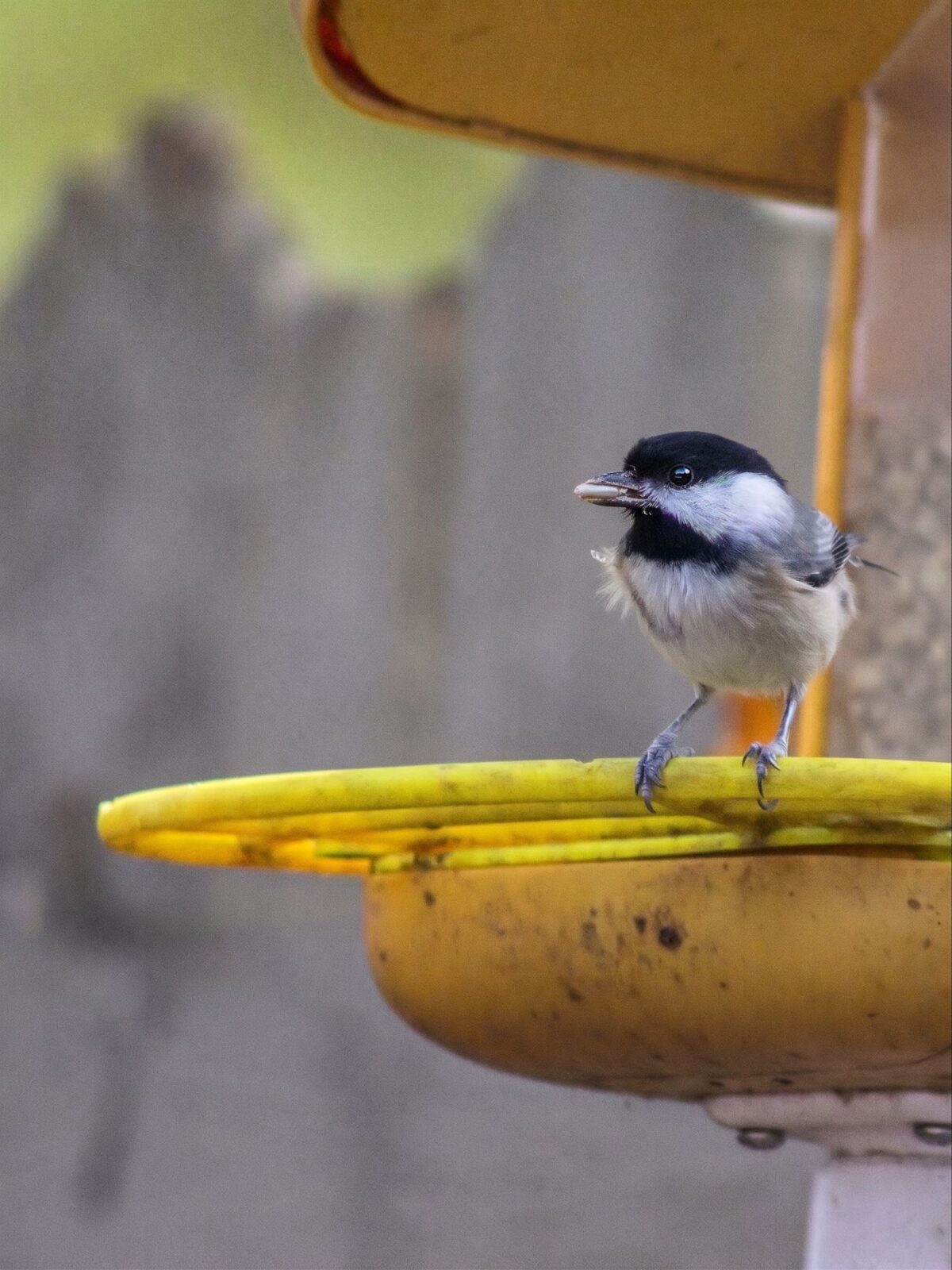
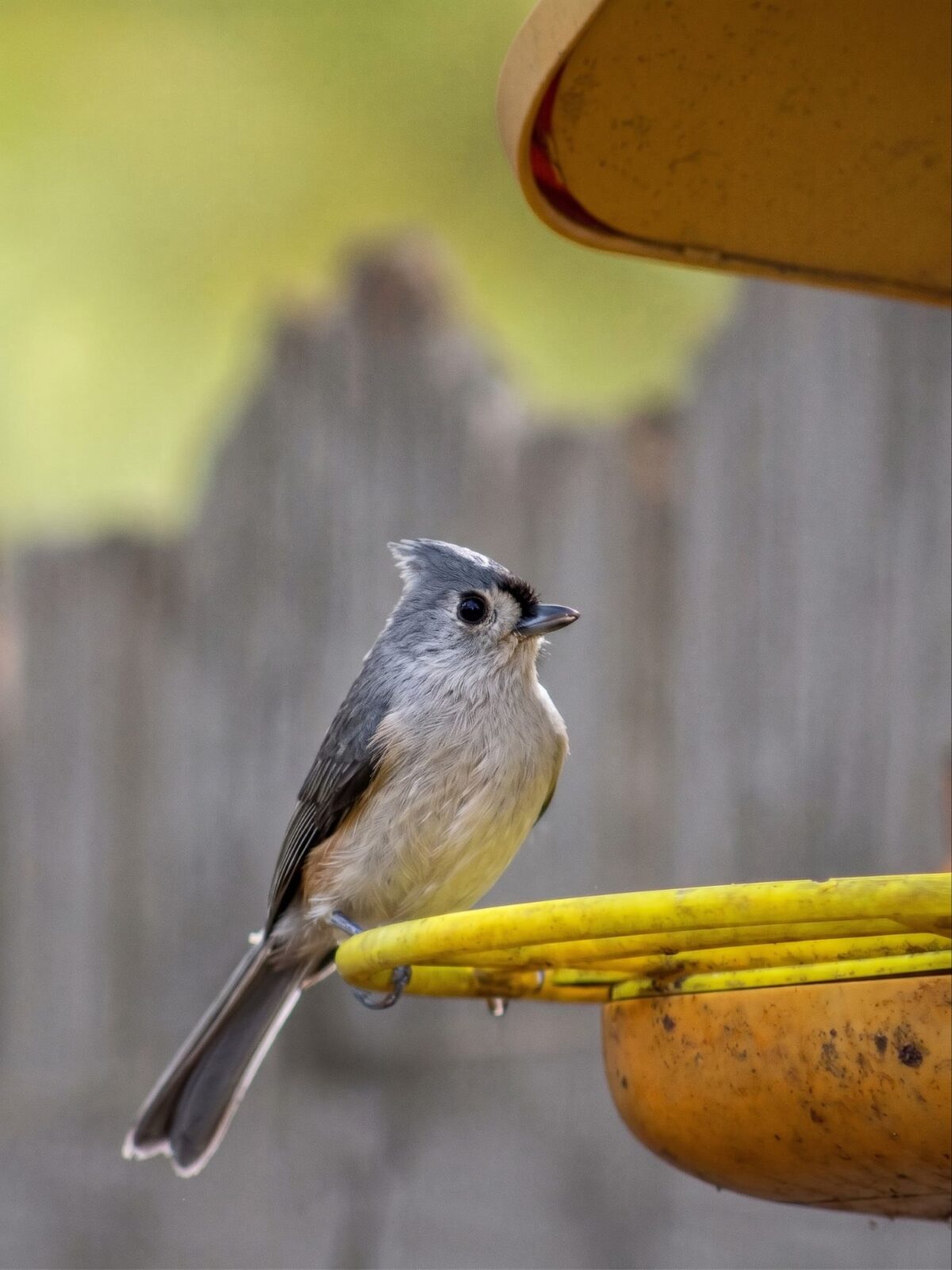
The response was immediate. Within minutes, a mixed foraging flurry descended on the feeder like a coordinated tactical unit. A Tufted Titmouse swooped in to pull off the ultimate midday score—snatching a whole peanut straight from the tray—while a Carolina Chickadee stood sentry on a weathered post, sharply eyeing the seed before dropping in for a bite. Even a brilliant Eastern Bluebird joined the midday circuit, pausing on the perch with regal calm amid the flurry of frantic wingbeats.
True to form for a winter mixed flock, it was a classic smash-and-grab. They didn’t clear out the feeder, but once the high-value treats were claimed and cached, the entire crew vanished just as abruptly as they had arrived—fifteen minutes of pure, bustling backyard magic, followed by sudden, peaceful quiet.
Rub a dub dub, three birds in a tub 🐦💦 These Eastern Bluebirds turned the backyard bird bath into their own little spa day. No reservations needed when the water’s fresh and the company is this good.
If you hear a frantic, rhythmic tapping from the backyard, don’t blame the downy woodpeckers. It’s just Ringo, our resident Tufted Titmouse, treating the feeder perch like a snare drum.
Even with a waste-free seed blend—no tough sunflower hulls to crack open—Ringo refuses to give up the percussion. Titmice are hardwired anvil-strikers. He lands on the extended perch, plants his stout gray feet wide over a peanut half or suet chunk, and jackhammers away with his bill.
The hollow plastic feeder housing acts like an acoustic amplifier, turning every peck into a mini solo. Part of this is practical dining: he’s splintering oversized nut pieces into bite-sized morsels he can actually swallow. Part of it is pure titmouse instinct, testing the density and oil content of a prize before deciding whether to devour it or cache it away.
Either way, he doesn’t just dine quietly. He makes an entrance, lays down a beat, and proves every day why he earned his name.
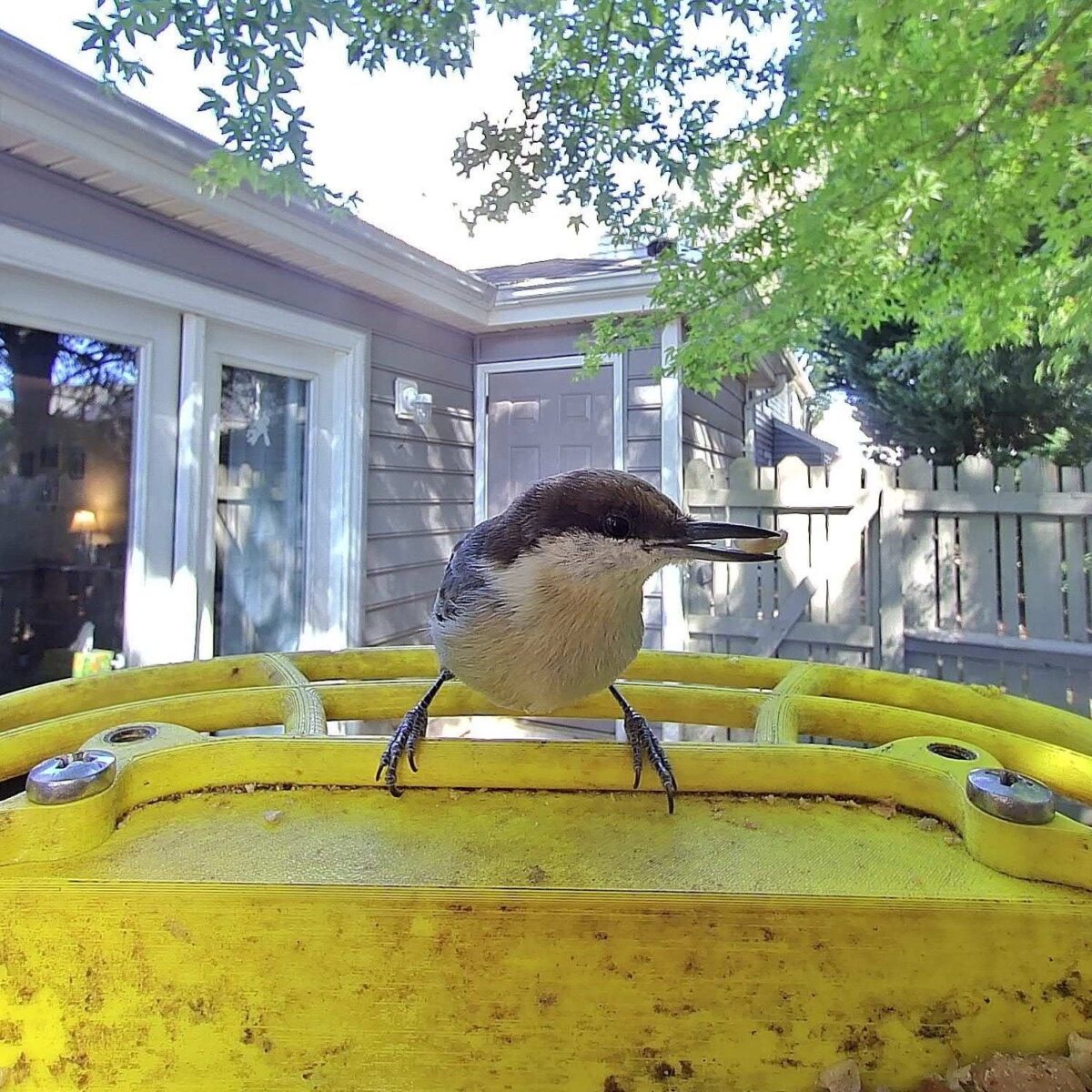
If you notice a Brown-headed Nuthatch treating your feeder like an airport shuttle service this time of year, you are not watching a gluttonous binge—you are witnessing a masterclass in survival logistics.
Small songbirds burn calories at a punishing rate just to maintain their body temperatures on cold nights. While larger flocking birds might hang around a tray and casually feast, nuthatches operate with urgent purpose. They dart in, grab a single morsel—a sunflower heart, a peanut bit, or a cracked pine seed—and immediately vanish into the canopy, only to return sixty seconds later for another round.
Brown-Headed Nuthatch with a seed in his mouth
The Art of Scatter-Hoarding
Nuthatches are dedicated scatter-hoarders. Rather than maintaining a single, vulnerable granary that a cheeky squirrel or competitor could raid in one sitting, they decentralize their wealth across dozens of square yards.
Watch their flight path after they grab a seed. They typically alight onto rough-barked trees like loblolly pines or mature oaks, hitching upside-down with total agility. From there, the process is methodical:
Tucking and Wedging: They hammer the seed securely into a deep bark furrow, under peeling flakes, or behind patches of lichen where wind and rain cannot dislodge it.
Covering Their Tracks: Brown-headed Nuthatches are among the rare songbirds that occasionally use tools. It is not uncommon to see one pick up a detached flake of pine bark in its bill to push a seed deeper or lever it into place, effectively camouflaging the cache from prying titmice and chickadees.
Mental Mapping: Come January or February when sustained freezes lock down insect activity, their specialized spatial memory guides them straight back to these hundreds of micro-pantries.
It is a low-key, brilliant insurance policy. Next time one swoops into your feeder, takes off with a single seed, and rushes straight for the nearest pine trunk, know that you are funding a tiny bird’s winter survival bank.
Back in June, I wrote about The Summer Assembly Line—that non-stop tag-team effort where our resident Eastern Bluebird parents worked overtime to churn out multiple broods before autumn arrived.
Four months later, the results of all that summer hustle are officially splashing around my backyard.
Throughout October, a small crew of juvenile bluebirds has become daily regulars at the bird bath. While the frenzied feeding routines have finally wound down for the parents, these youngsters are still sporting their awkward transitional look: scruffy, speckled chests and soft grayish-brown coats, with just the first hints of rich blue breaking through along their wings and tail feathers as they molt into their winter plumage.
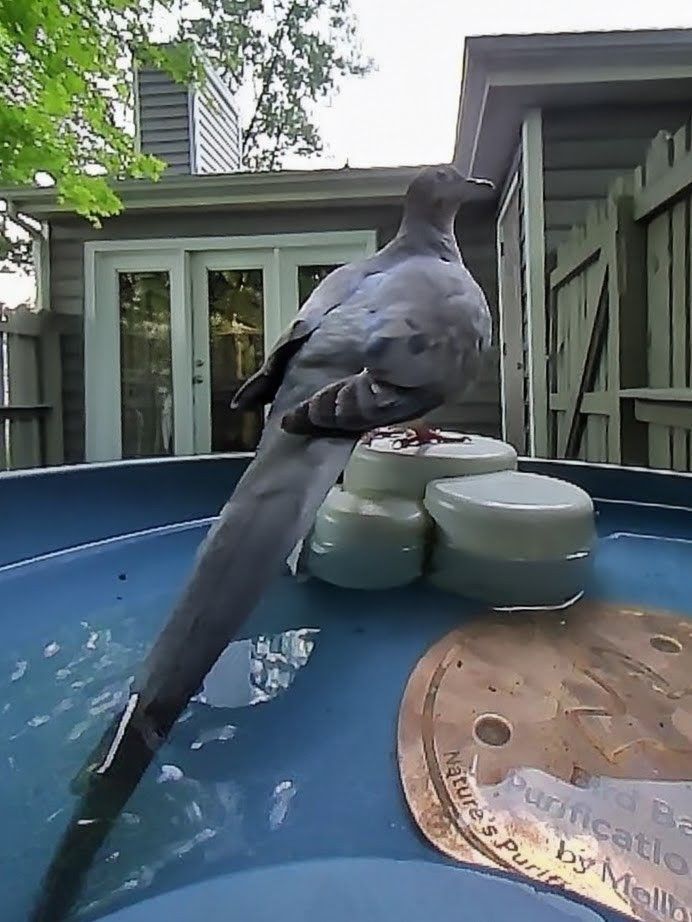
Seeing them take over the water feature is the ultimate payoff. Eastern Bluebird family units often stay loosely banded together into the fall, and with cooler, drier autumn days settling in, a clean bird bath becomes the neighborhood hub.
Watching these speckled teenagers jostle for position on the rim and enthusiastically splash through the cool morning water is proof that the summer assembly line was a complete success.
Look at this adorable trio of Eastern Bluebirds visiting the feeder! I’m guessing these little ones are siblings from the same brood, learning the ropes together. So sweet!
This bluebird family has completely stolen the show in the backyard this week! Every morning starts with a vibrant flash of blue along the fence line, where the parents keep a watchful eye while the fledglings test their wings.
Between taking turns making a splash in the bird bath and lining up at the feeder for a mealworm snack, their daily routine has turned into the best entertainment around. Watching them flutter from post to perch, chattering away, never gets old. It’s hard to beat a front-row seat to this lively little crew—pure backyard magic.
Oh, poor Bruce! Molting can definitely be a bit of a rough patch. Hang in there, little guy, your new feathers will be stunning! Wishing Bruce a smooth molting process.
This Carolina Wren knows exactly how to handle a scorching summer day. There’s nothing quite like a refreshing splash in the bird bath to cool down those feathers. 💦
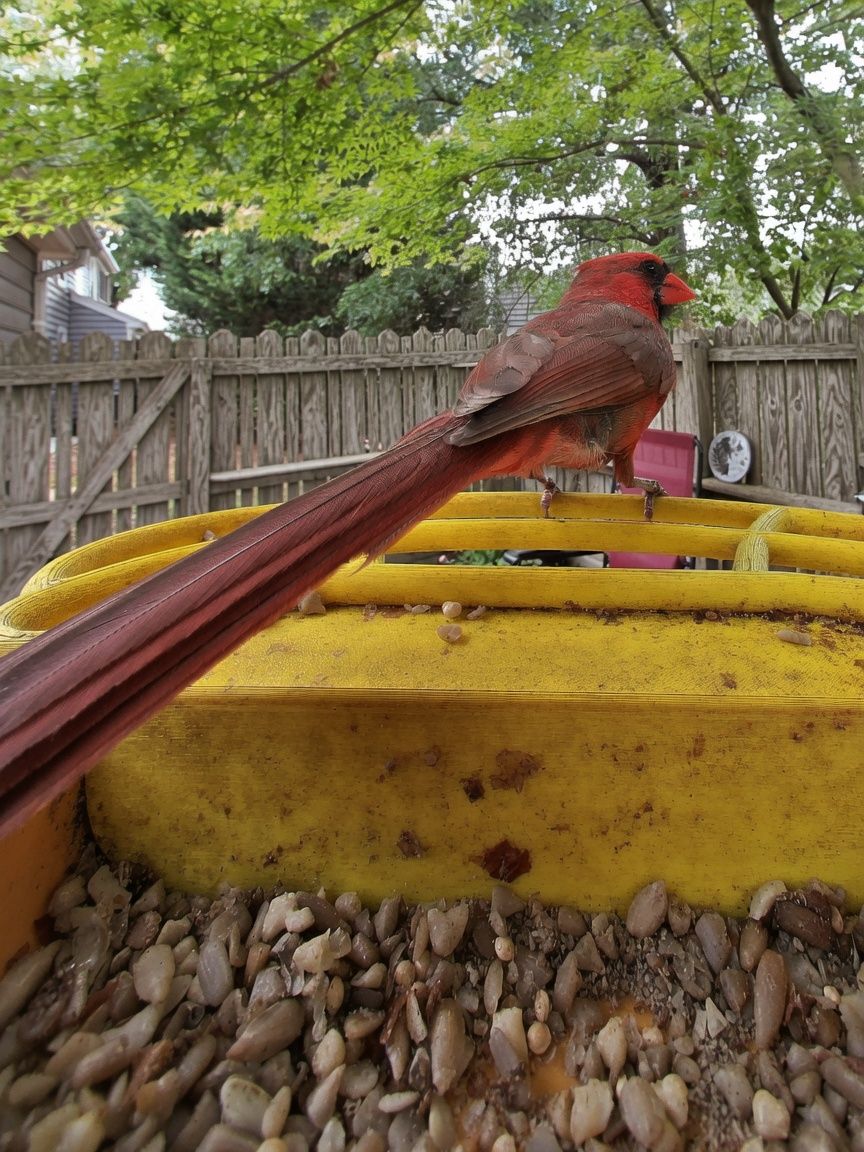
When the camera angle hits just right, your tail game goes infinite! This Northern Cardinal was owning the feeder today. Nature’s runway model in full effect!
My trusty Bird Buddy feeder has been delivering some serious eye candy lately! From flashy visitors to sweet little regulars, here are my favorite shots from the past week in the backyard.
Which one is your favorite? Drop a comment below — I’m always curious what catches your eye!
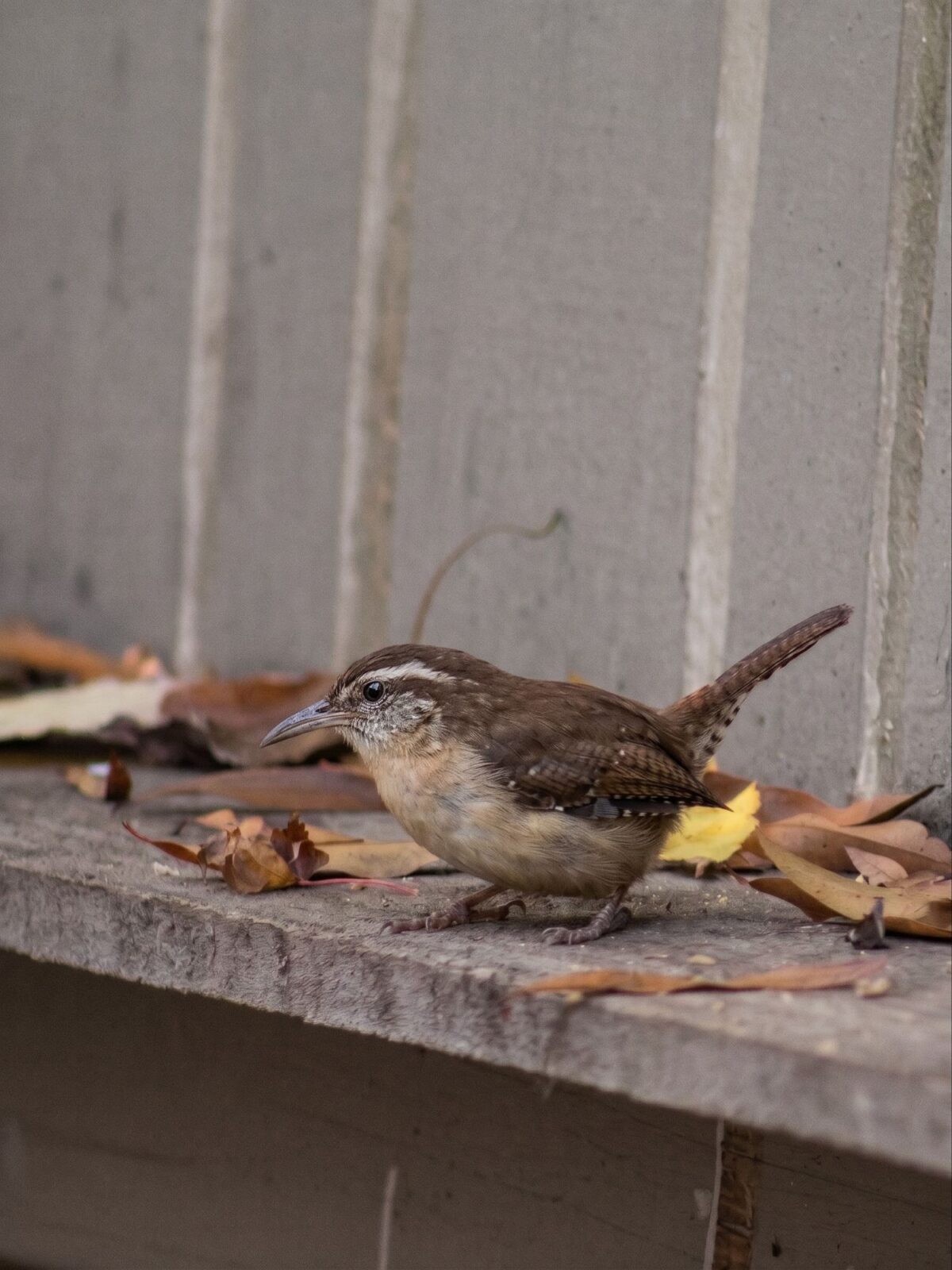
Just look at the incredible detail on this Carolina Wren’s feathers! Nature’s artistry is truly amazing, from the delicate patterns to the subtle color variations. Such a charming visitor!