Sunflower Fields
Took an early morning hike to the Draper WMA Sunflower Fields near York, SC this morning. I think we missed the peak viewing time by about a week. It’s been very hot here for a few days.


Took an early morning hike to the Draper WMA Sunflower Fields near York, SC this morning. I think we missed the peak viewing time by about a week. It’s been very hot here for a few days.


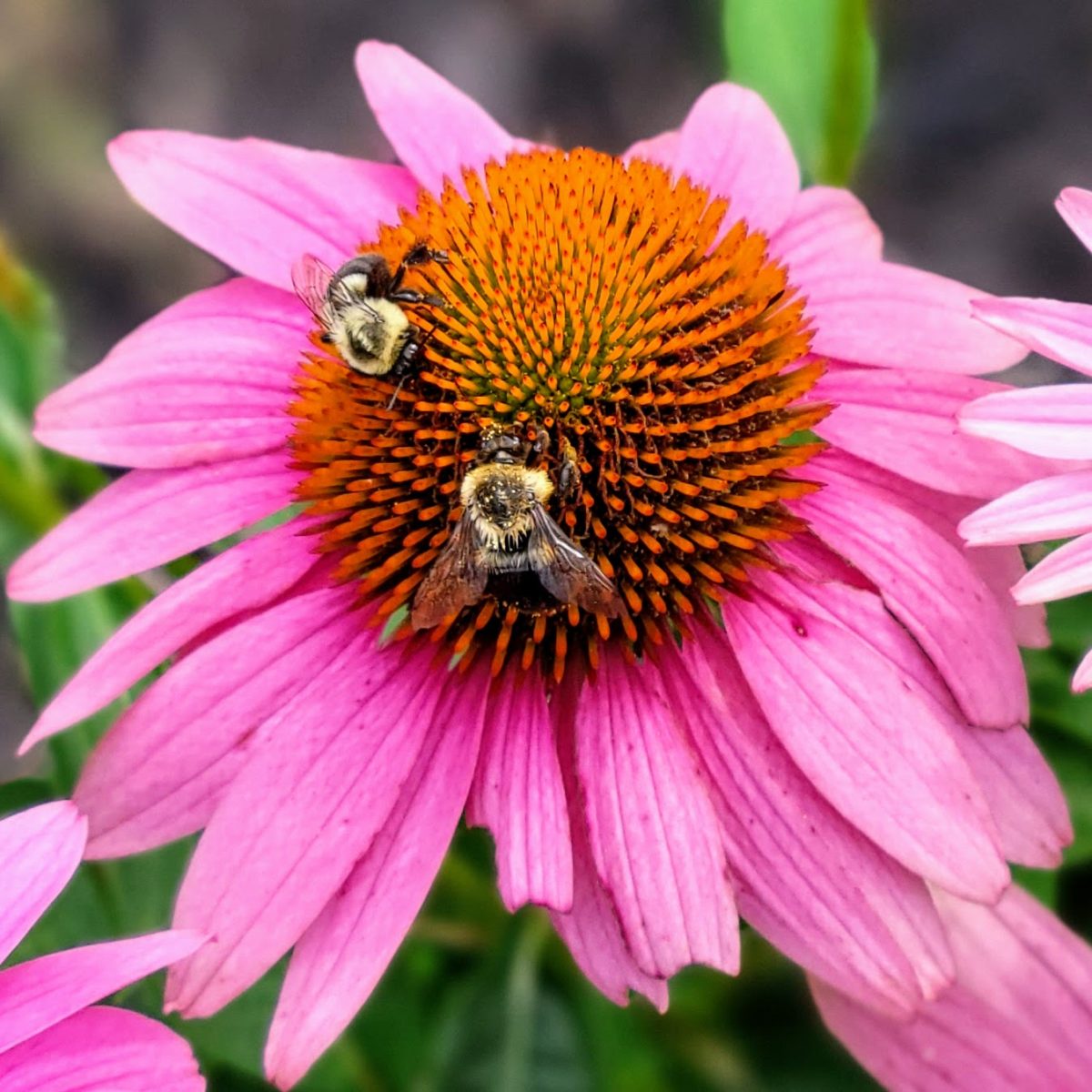
Did you know that nearly 75% of the worldβs leading food crops depend at least partly on pollinators? From the coffee we drink to the fruits, nuts, and vegetables we love, bees and other pollinators play a massive role in keeping our global food systems diverse, nutritious, and secure.

This year, the Food and Agriculture Organization (FAO) is celebrating under the theme: “Bee Together for People and the Planet β A partnership that sustains us all.” It’s a reminder of the thousands of years of connection between humans and bees, and a call to action. Right now, pollinators face heavy pressure from habitat loss, climate change, and intensive agricultural practices.
How can we help? πΌ Plant a diverse mix of native flowers in your garden to provide food for wild bees. π« Reduce or avoid the use of pesticides. π± Support local beekeepers by buying local honey and products. π£οΈ Spread the word about why protecting these amazing creatures matters!
Letβs protect our hard-working pollinators to ensure a healthier, more biodiverse planet. πβ¨
Learn more about how to get involved.
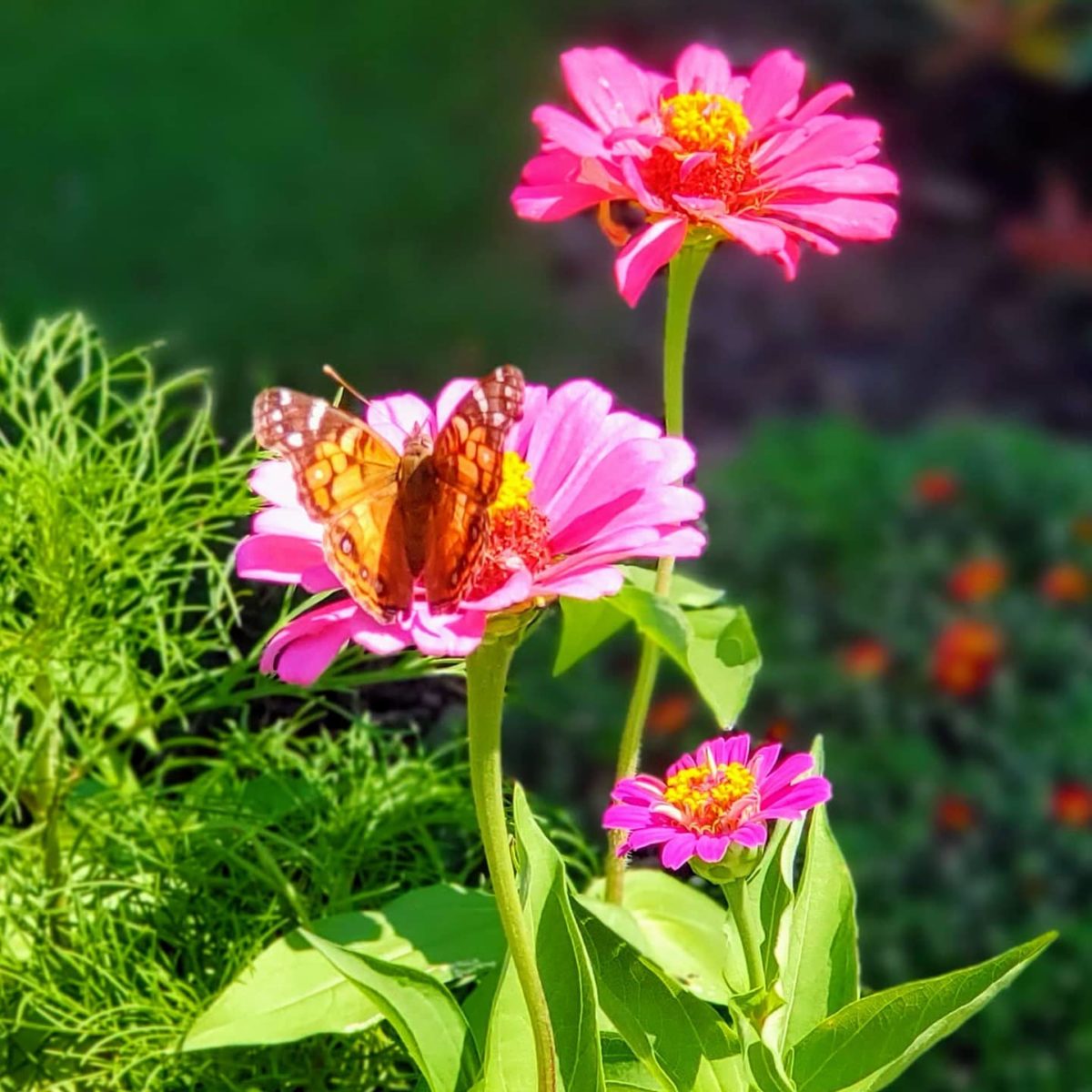
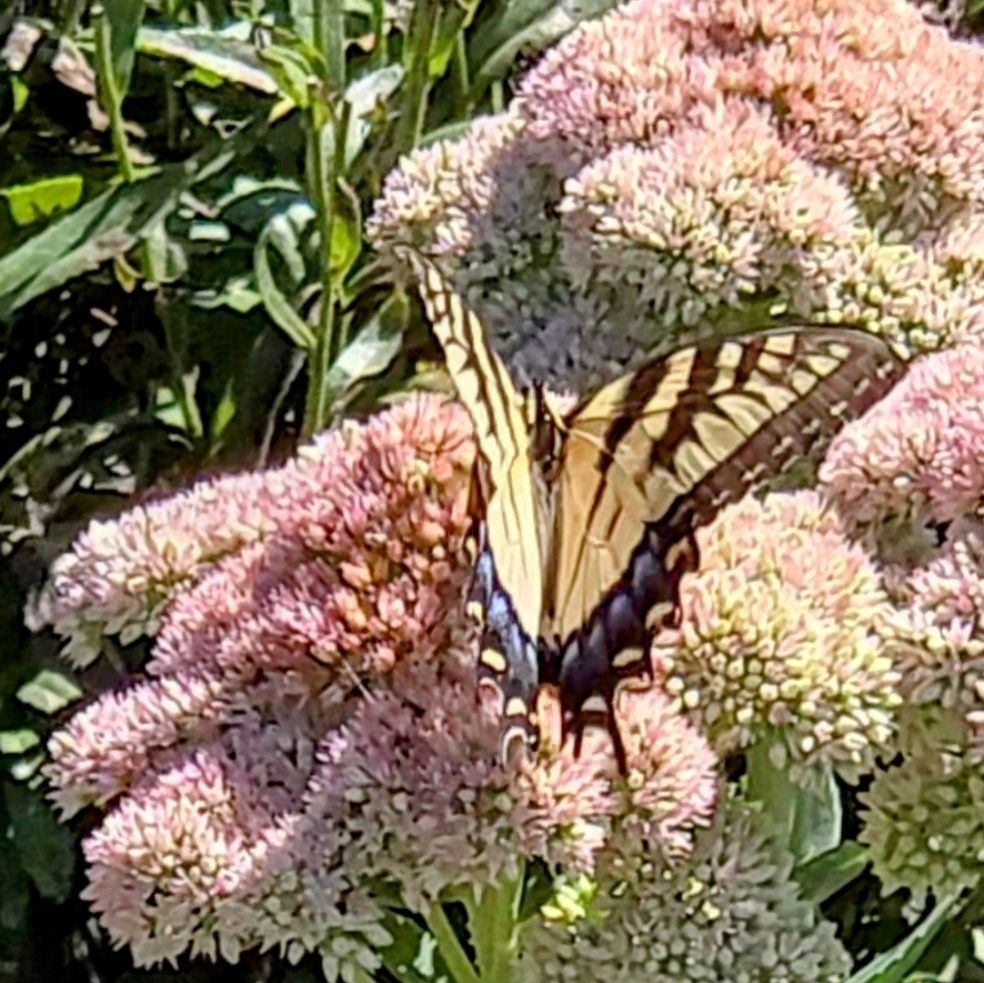
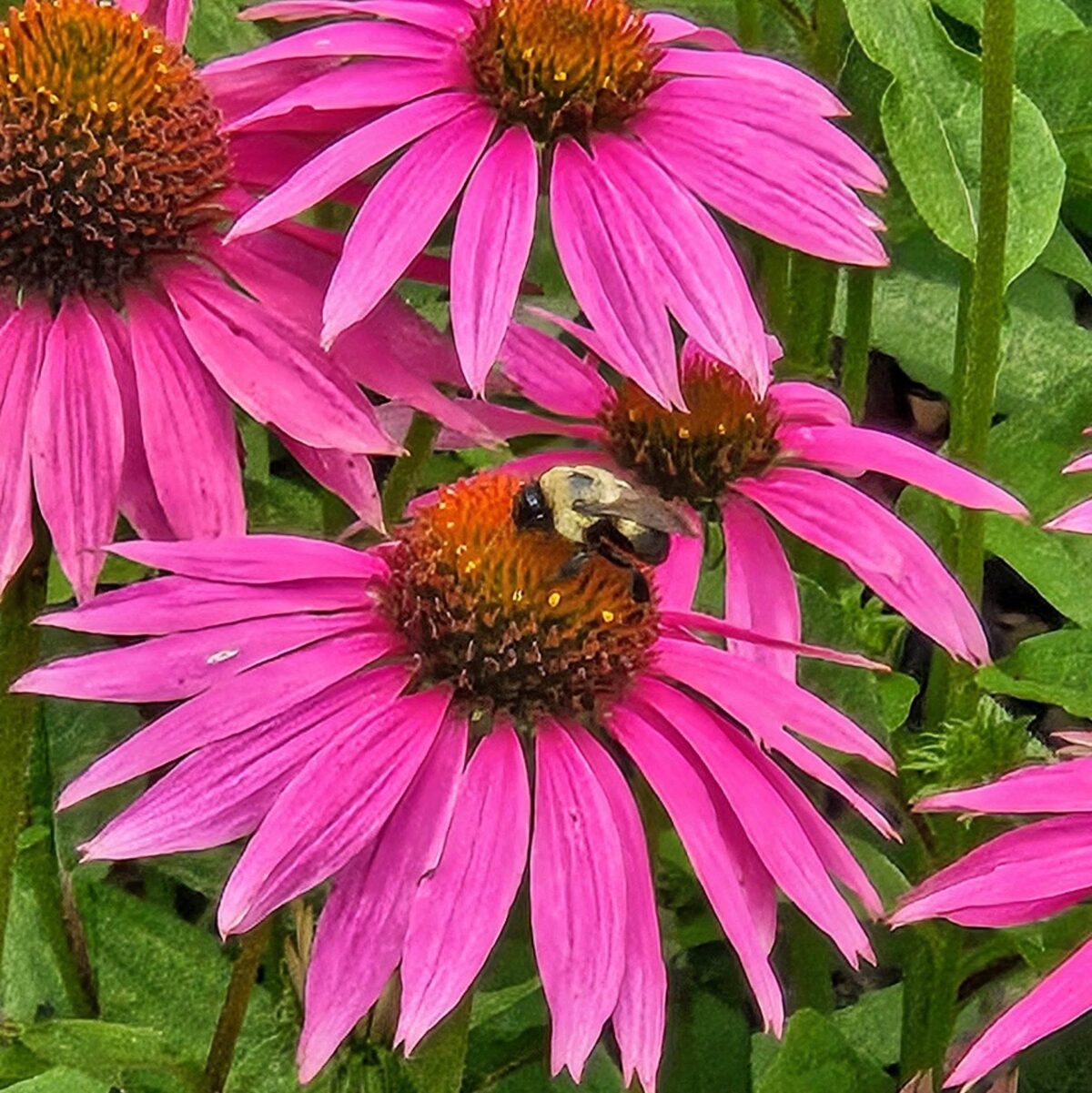
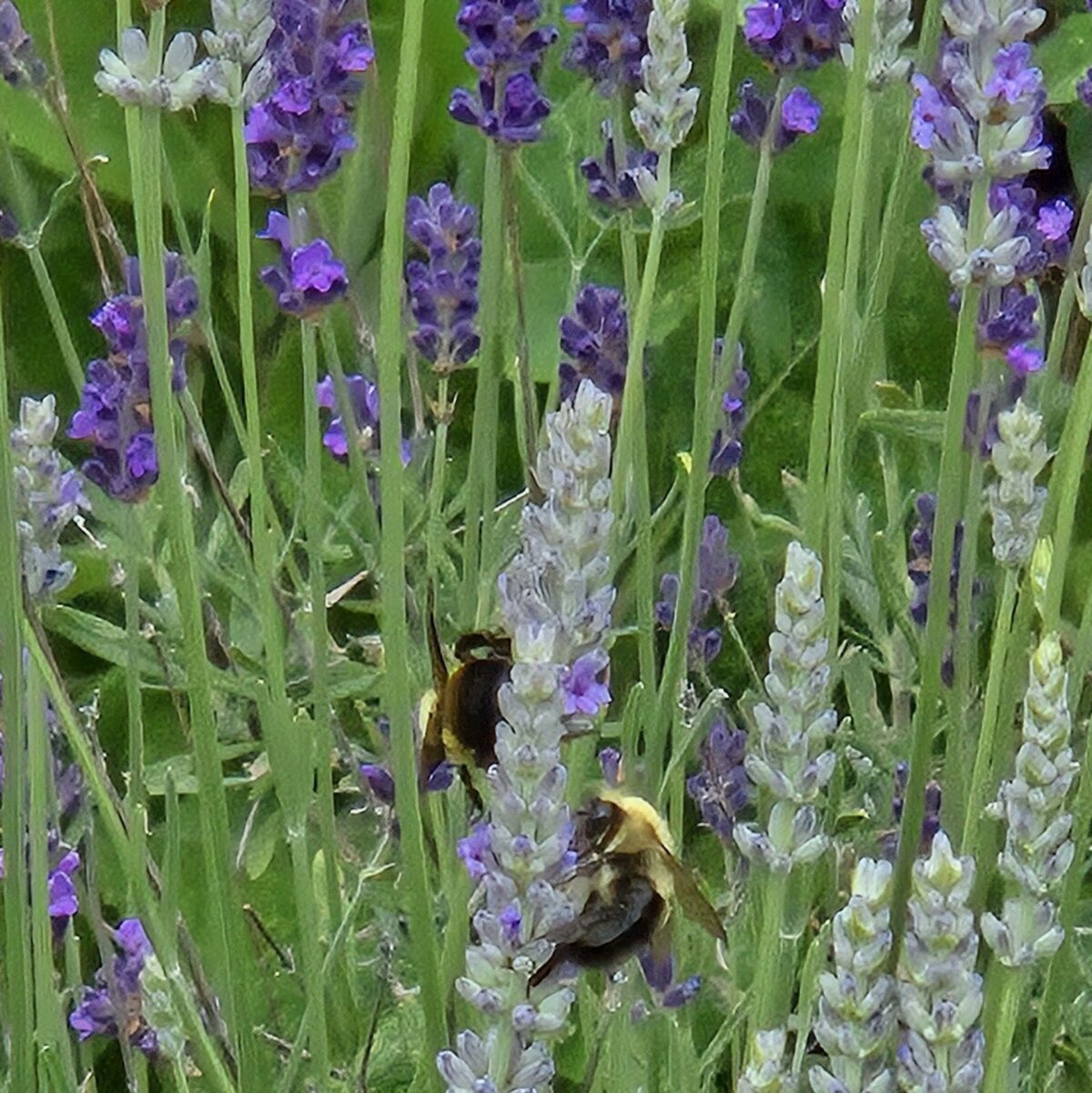
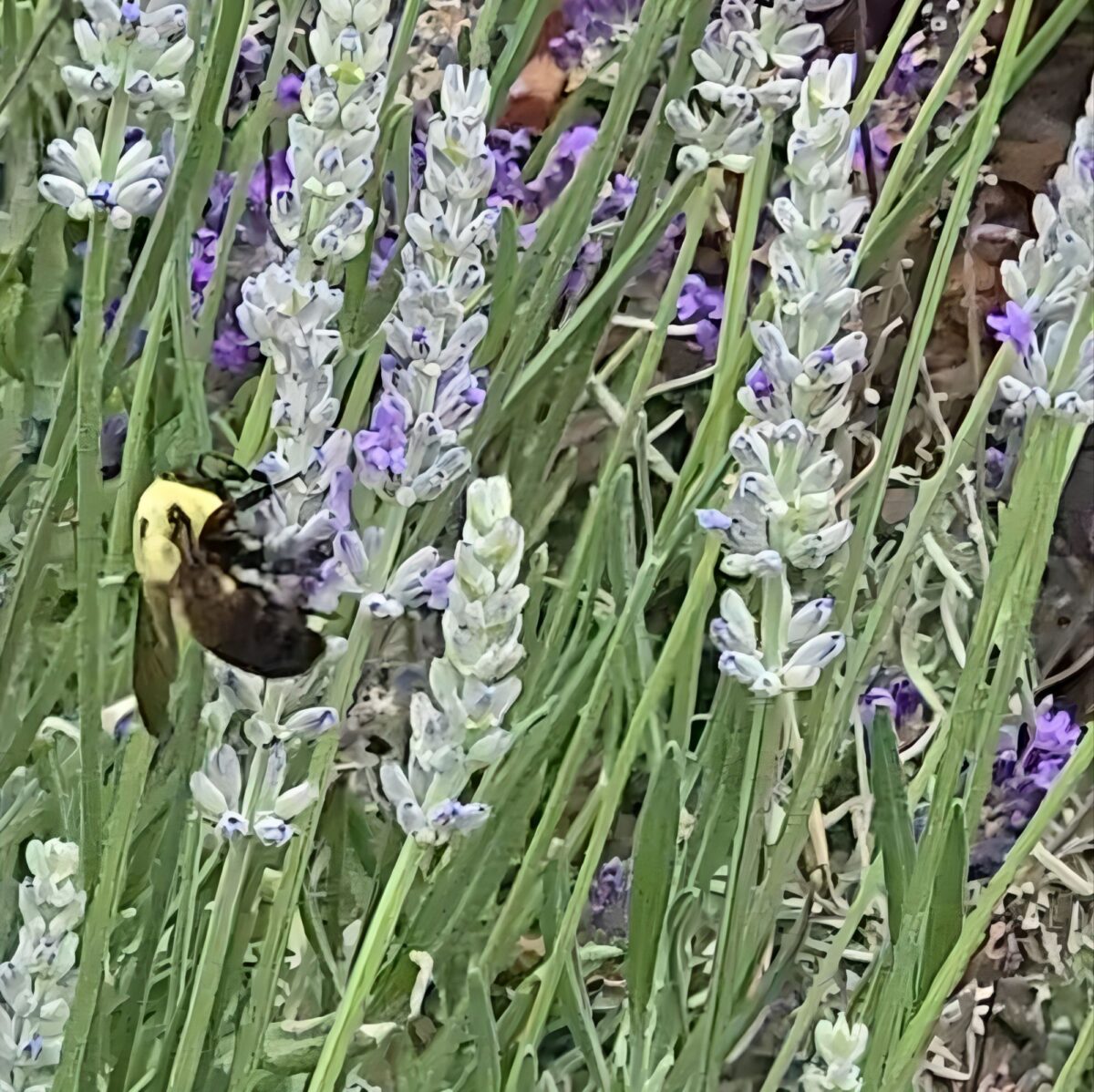
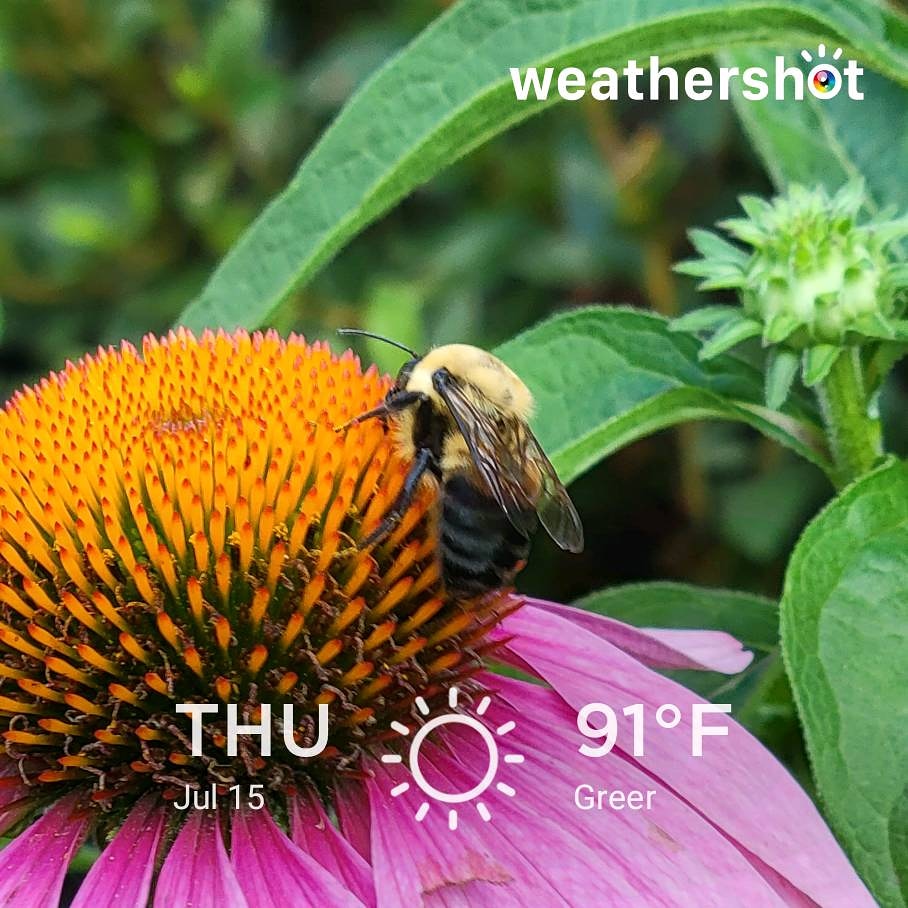
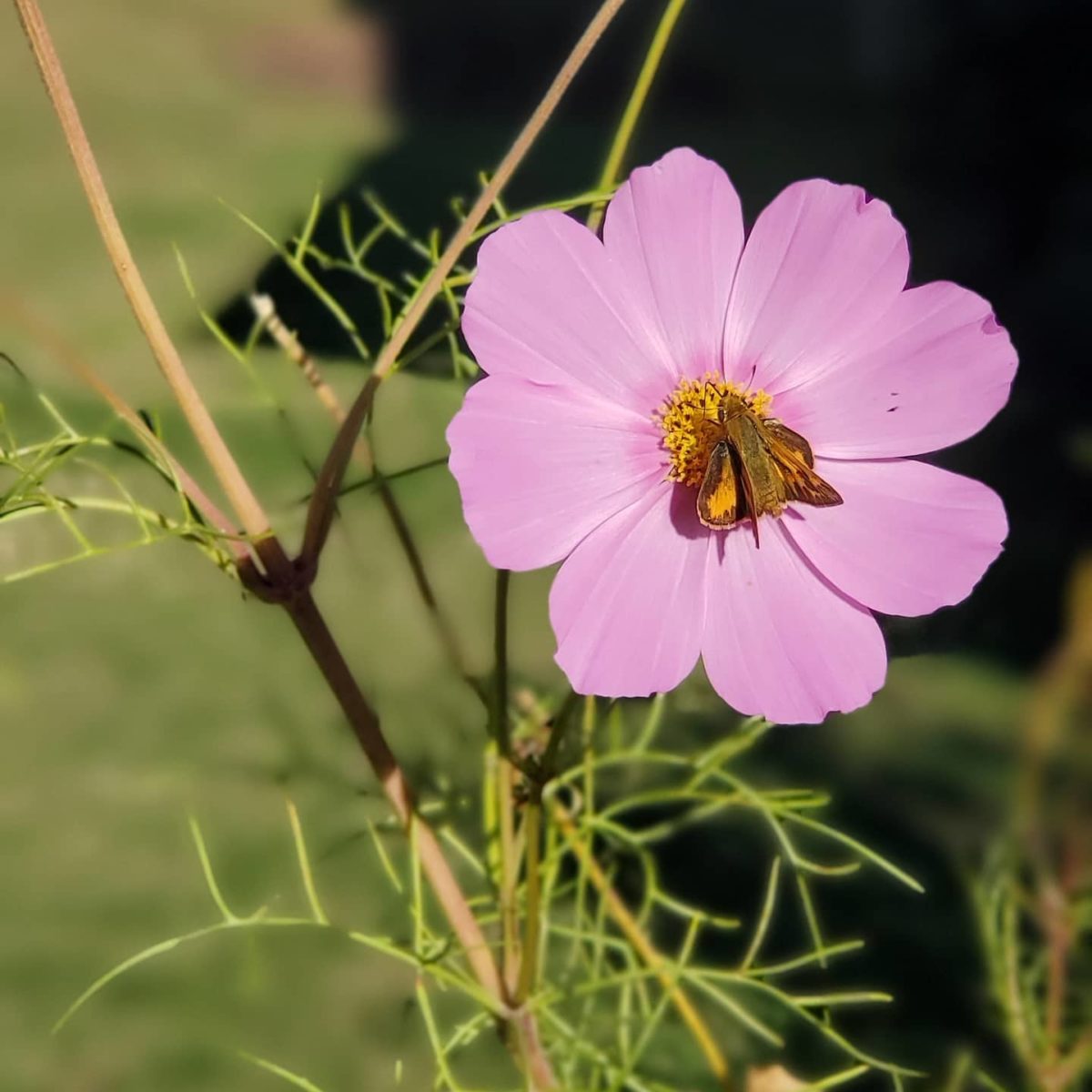
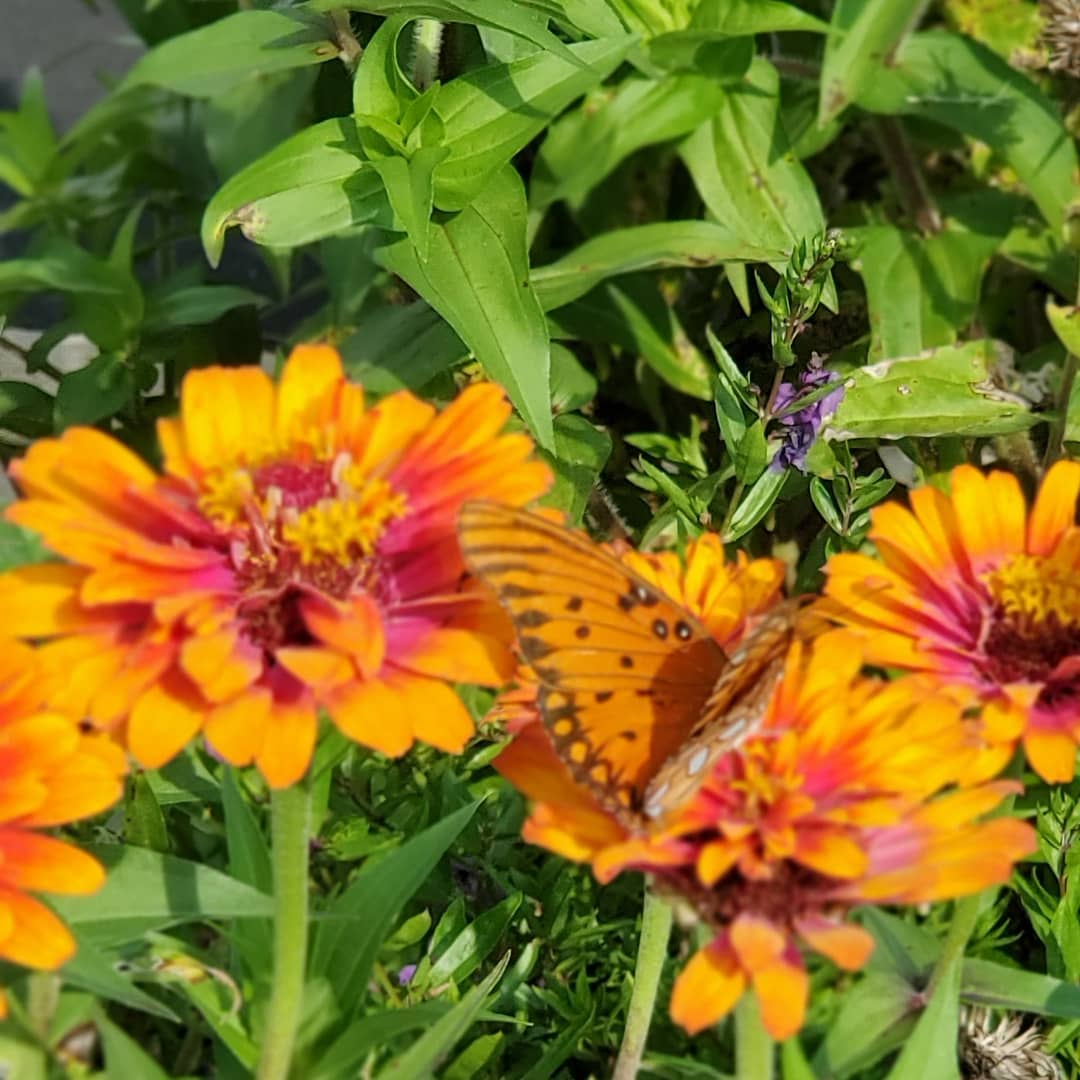
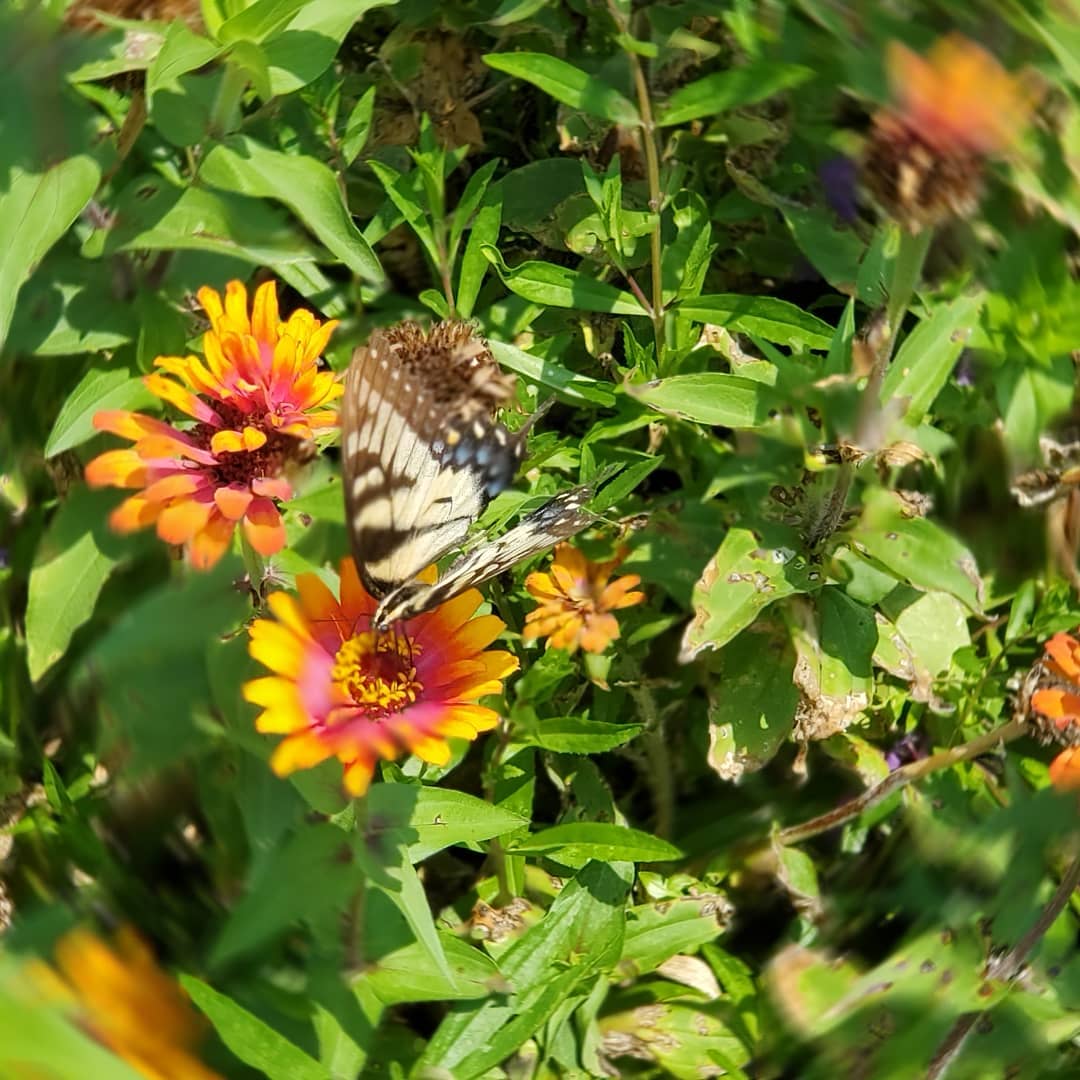
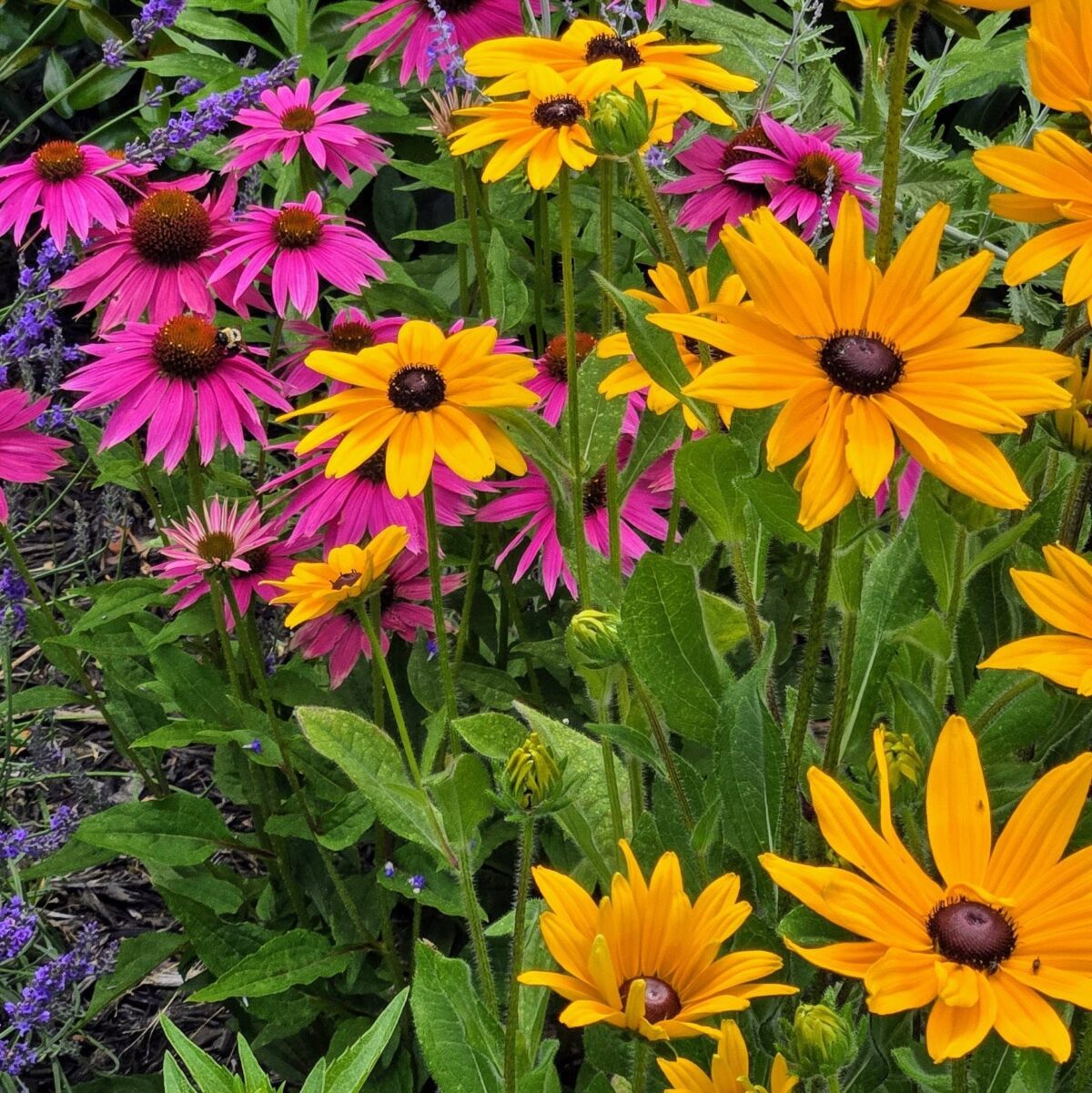
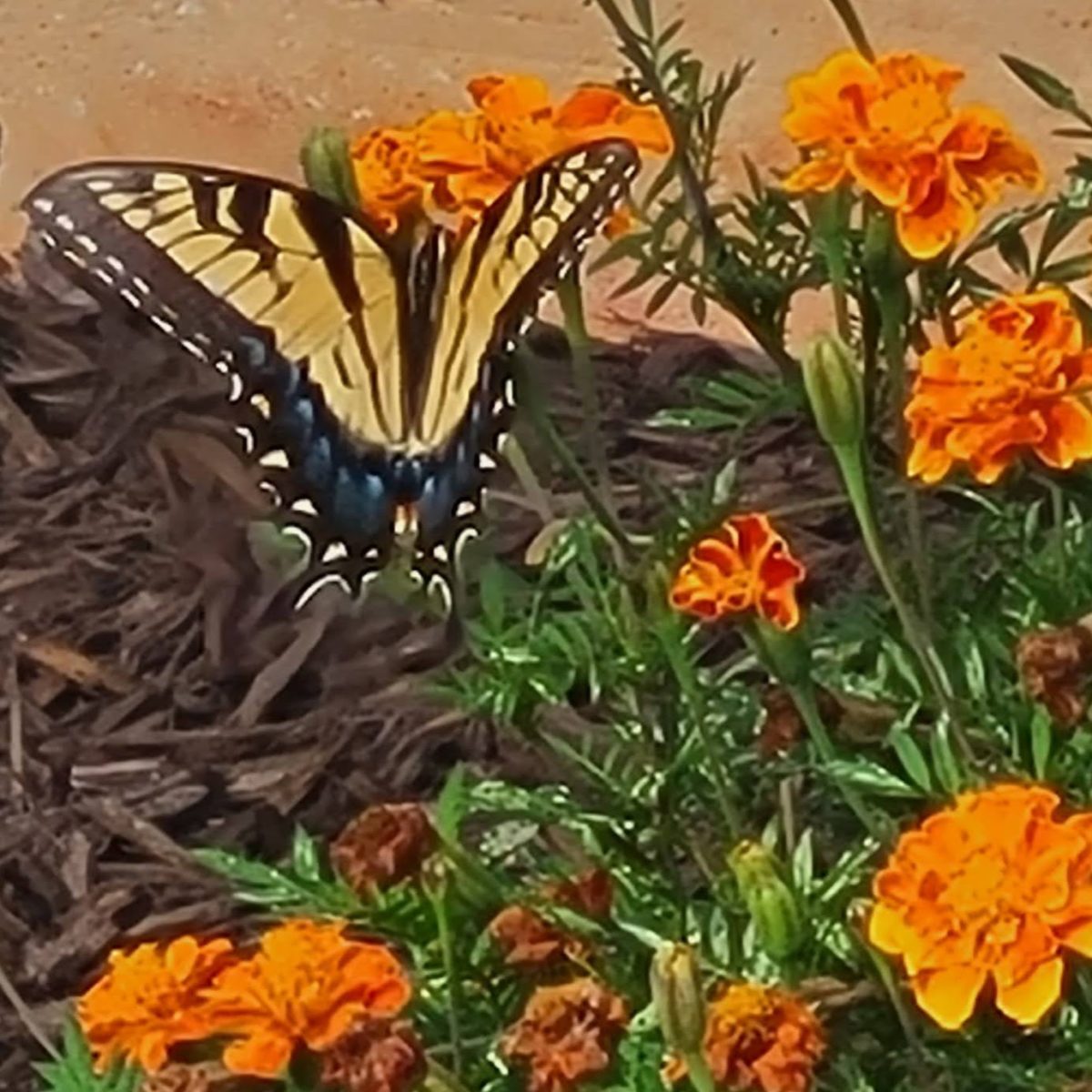
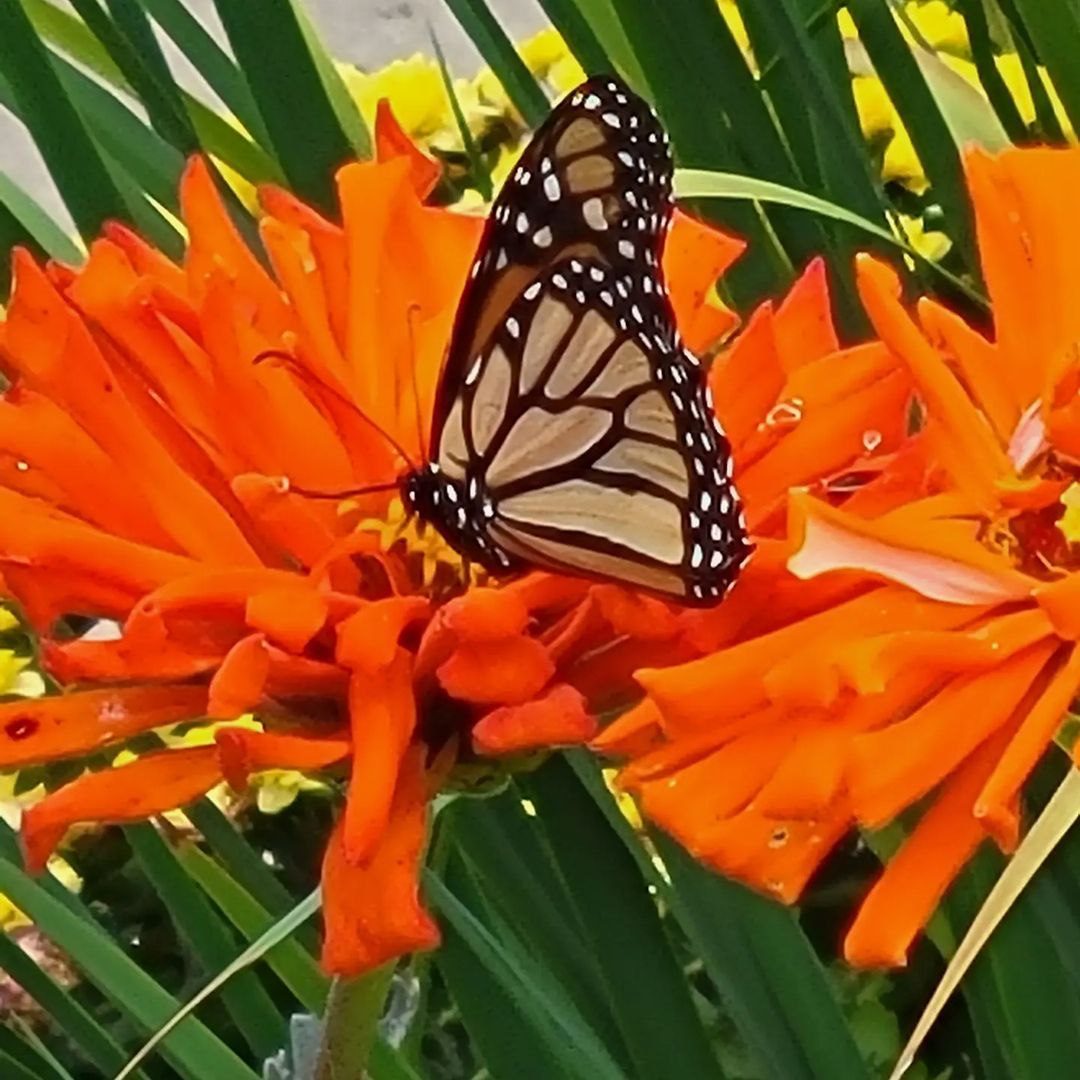
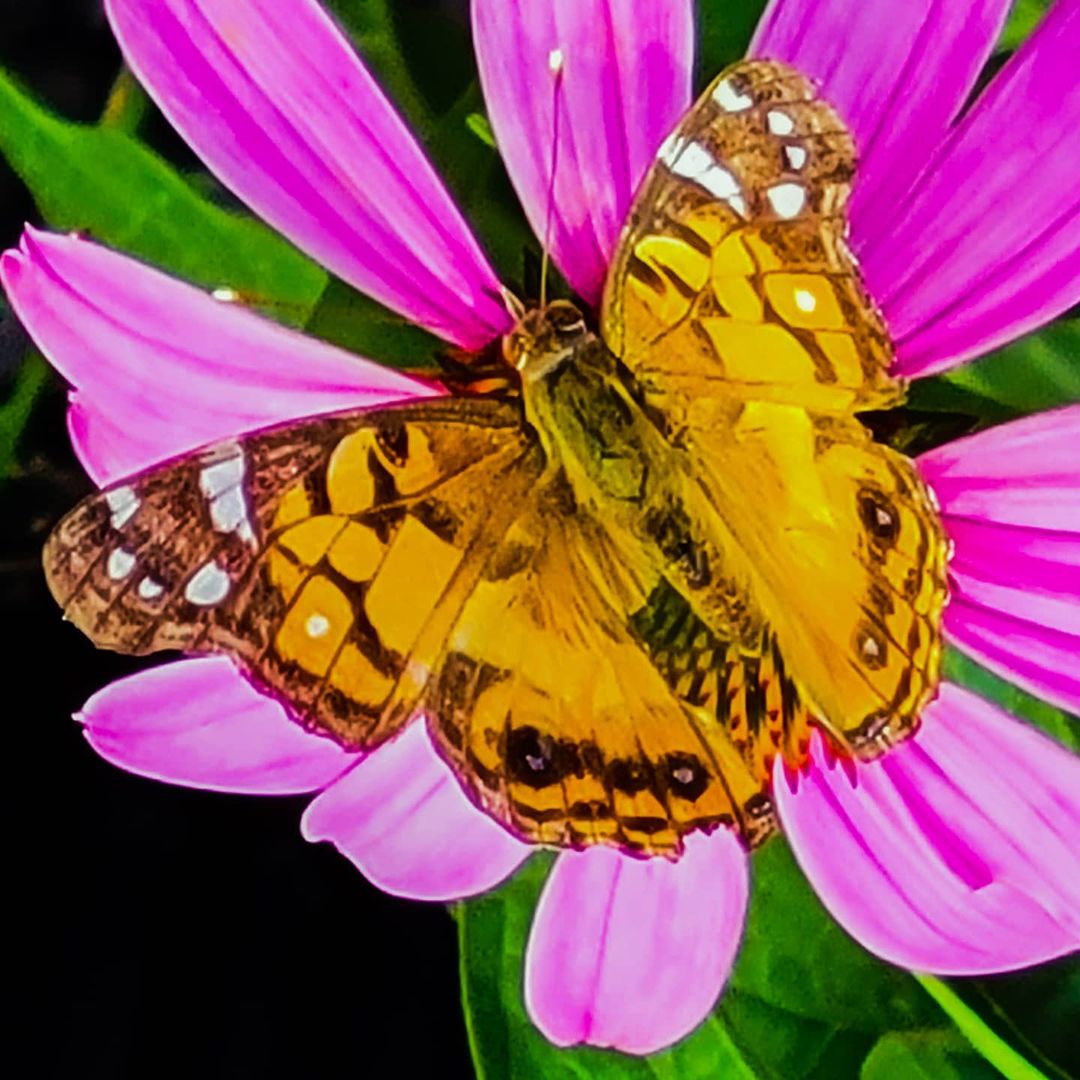
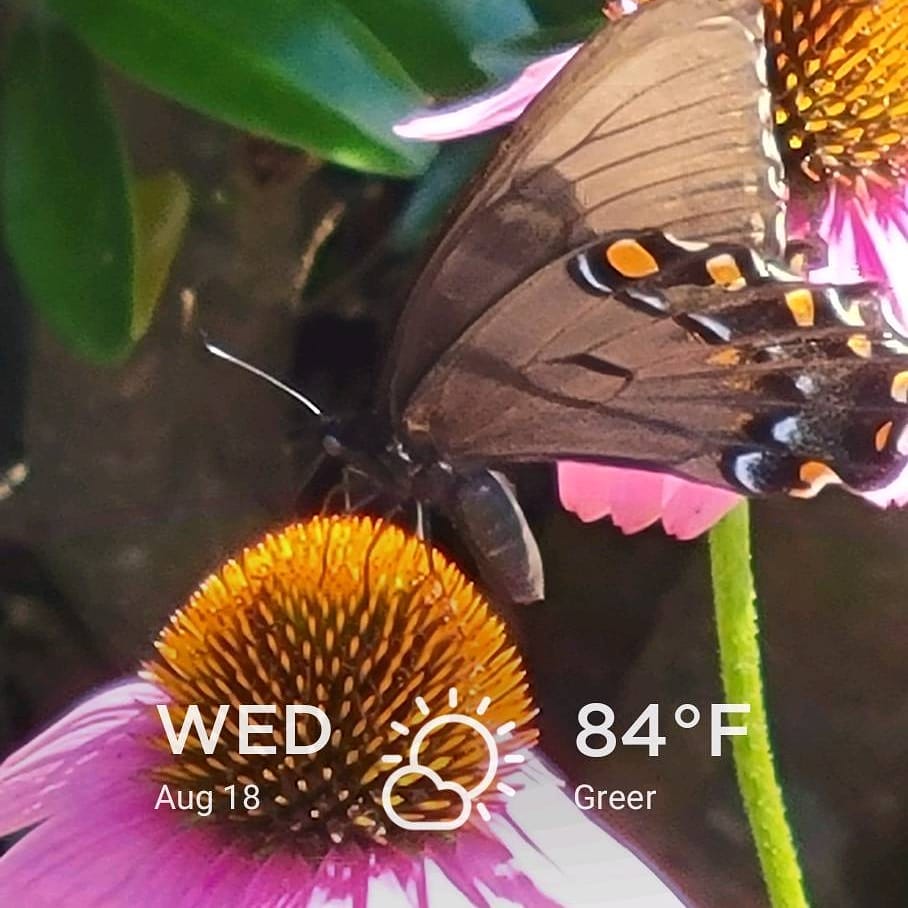
One of our goals when planting an American Meadows garden was to make our yard butterfly π¦ and bee π friendly. I’ve seen several Swallowtails over the past few days.
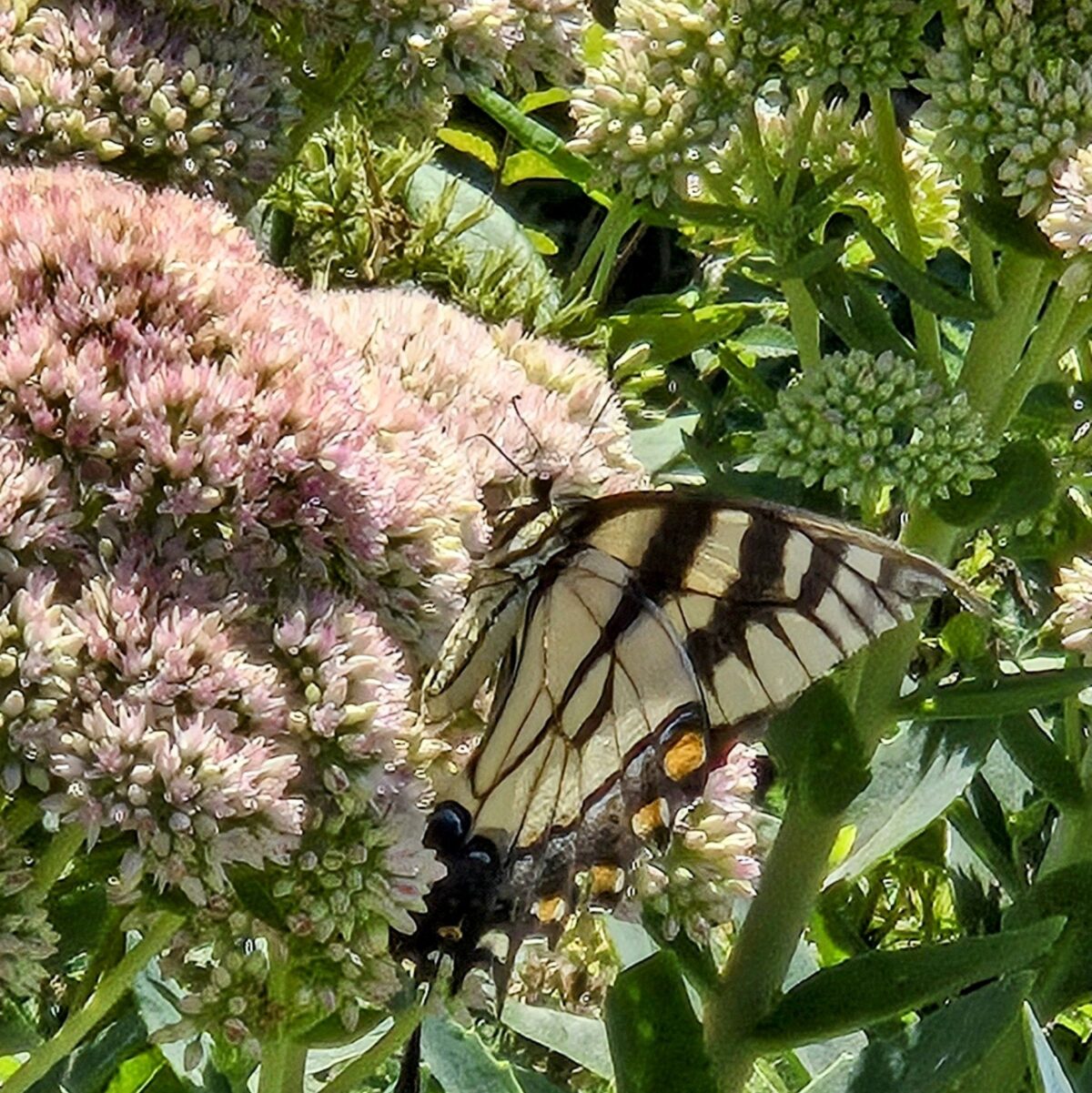

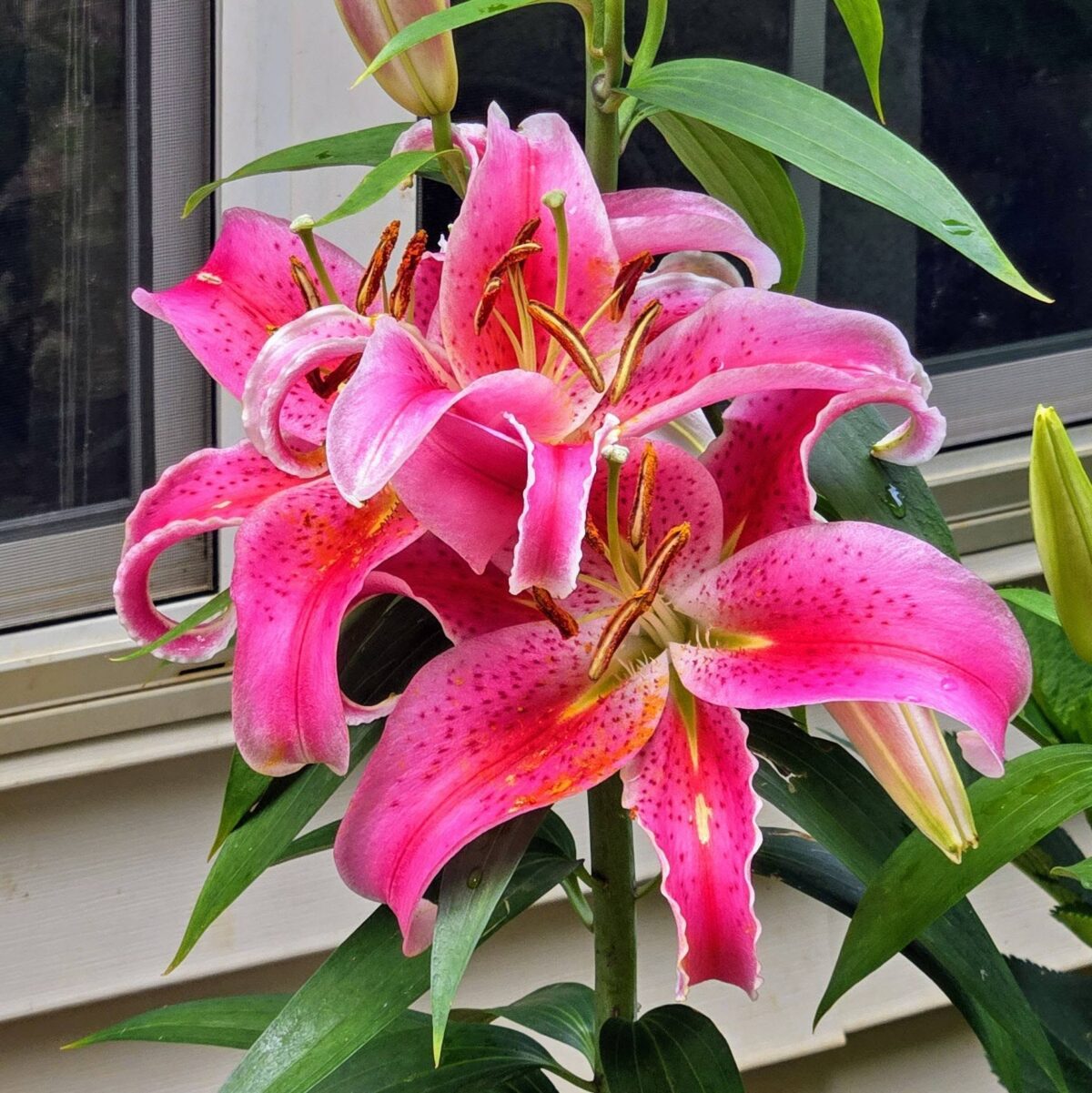
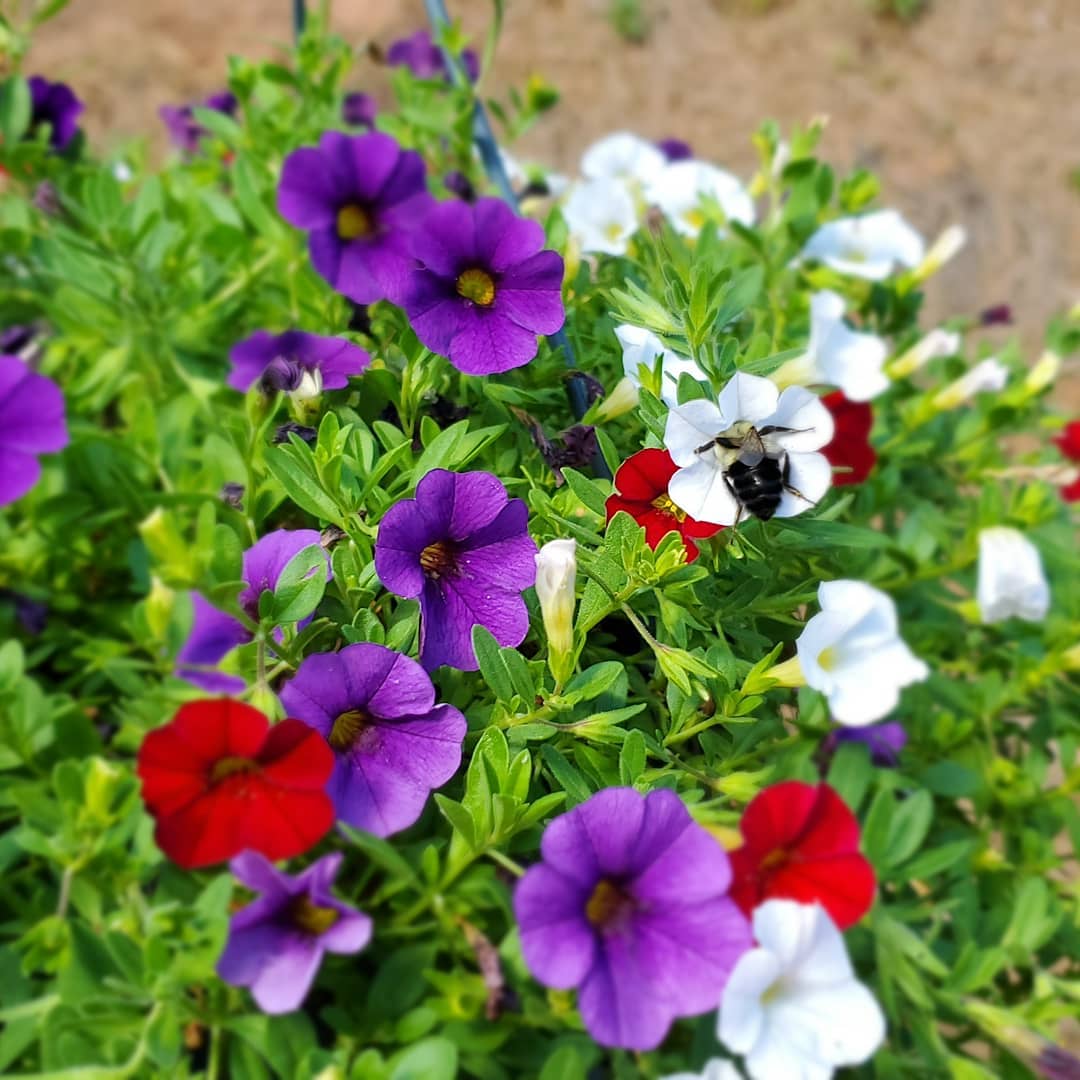
Some of the beautiful flowers in our garden.


World Bee Day was established by the United Nations General Assembly in 2017 to raise awareness of the importance of pollinators, the threats they face and their contribution to sustainable development.


via Instagram https://instagr.am/p/CD7RlhXjv7d/